


Introduction
Modern Architecture has transformed the way people live, work, and interact with their surroundings. Characterized by simplicity, functionality, and innovation, this architectural style emerged during the late nineteenth and early twentieth centuries as a response to traditional design methods. Unlike ornate historical structures, modern buildings emphasize clean lines, open spaces, and the use of advanced materials such as steel, glass, and concrete.
Today, architecture is more than creating attractive buildings; it is about improving quality of life, promoting sustainability, and meeting the changing needs of society. Cities around the world showcase remarkable examples of architectural innovation that blend aesthetics with practicality. Whether in residential homes, commercial towers, or public institutions, the influence of modern design is evident everywhere.
As technology continues to evolve, architects are finding new ways to create structures that are efficient, environmentally responsible, and visually stunning. Understanding the principles and development of this design movement helps us appreciate the buildings that shape our daily experiences and define contemporary urban landscapes.
The Origins of Modern Architecture

The roots of Modern Architecture can be traced back to the Industrial Revolution, a period marked by rapid technological advancement and urban growth. Traditional construction methods were challenged by the availability of new materials and engineering techniques. Architects began experimenting with steel frameworks, reinforced concrete, and large glass surfaces, which allowed them to design structures that were previously impossible.
Early pioneers sought to break away from excessive ornamentation and historical imitation. Instead, they focused on creating buildings that reflected the realities of modern life. Functionality became a central principle, leading to designs where form followed purpose. This shift represented a major departure from previous architectural styles that prioritized decoration over practicality.
The movement gained momentum during the early twentieth century as architects embraced minimalist aesthetics and innovative construction techniques. Their work laid the foundation for many of the design principles that continue to influence architecture today. The emphasis on efficiency, simplicity, and honesty in materials became defining characteristics of the movement and inspired generations of architects worldwide.
Key Characteristics of Modern Architecture
One of the most recognizable features of Modern Architecture is its commitment to simplicity. Buildings are designed with clean geometric forms, uncluttered facades, and a focus on functional spaces. Decorative elements are minimized, allowing the structure itself to become the primary visual statement.
Large windows and open floor plans are common design elements. These features maximize natural light, improve ventilation, and create a seamless connection between indoor and outdoor environments. The use of glass, steel, and concrete enables architects to achieve sleek and elegant designs while maintaining structural strength.
Another important characteristic is flexibility. Modern spaces are often designed to adapt to changing needs, making them practical for contemporary lifestyles. Sustainability has also become an integral aspect of modern design, with architects incorporating energy-efficient systems, renewable materials, and environmentally friendly construction practices. Together, these features create buildings that are both visually appealing and highly functional.
The Role of Technology in Architectural Innovation
Technology has played a crucial role in the evolution of architecture. Advanced software allows architects to create detailed digital models, test structural performance, and visualize projects before construction begins. These tools improve accuracy, reduce costs, and enhance collaboration among design teams.
Modern construction techniques have also expanded the possibilities of architectural design. Prefabrication, modular construction, and 3D printing enable faster and more efficient building processes. These innovations help reduce waste while improving quality and precision.
Smart building technology has further transformed the industry. Automated lighting, climate control systems, and energy management solutions improve efficiency and occupant comfort. Architects are increasingly integrating these technologies into their designs to create intelligent environments that respond to user needs. As technological advancements continue, architecture will become even more innovative, sustainable, and adaptable to future challenges.
Sustainability and Green Building Practices
Environmental responsibility has become a major focus in contemporary architecture. Sustainable design aims to reduce the environmental impact of buildings while improving energy efficiency and occupant well-being. Architects now prioritize eco-friendly solutions that support long-term environmental goals.
Green building practices include the use of renewable energy systems, recycled materials, and efficient insulation. Solar panels, rainwater harvesting systems, and natural ventilation strategies help reduce energy consumption and operational costs. These features contribute to healthier living and working environments while minimizing carbon emissions.
Sustainable architecture also emphasizes site-sensitive design. Buildings are carefully positioned to maximize natural light and reduce reliance on artificial heating and cooling systems. Landscaping and green roofs further enhance environmental performance. Through thoughtful planning and innovative solutions, architects are creating structures that balance human needs with ecological responsibility.
Modern Architecture in Residential Design
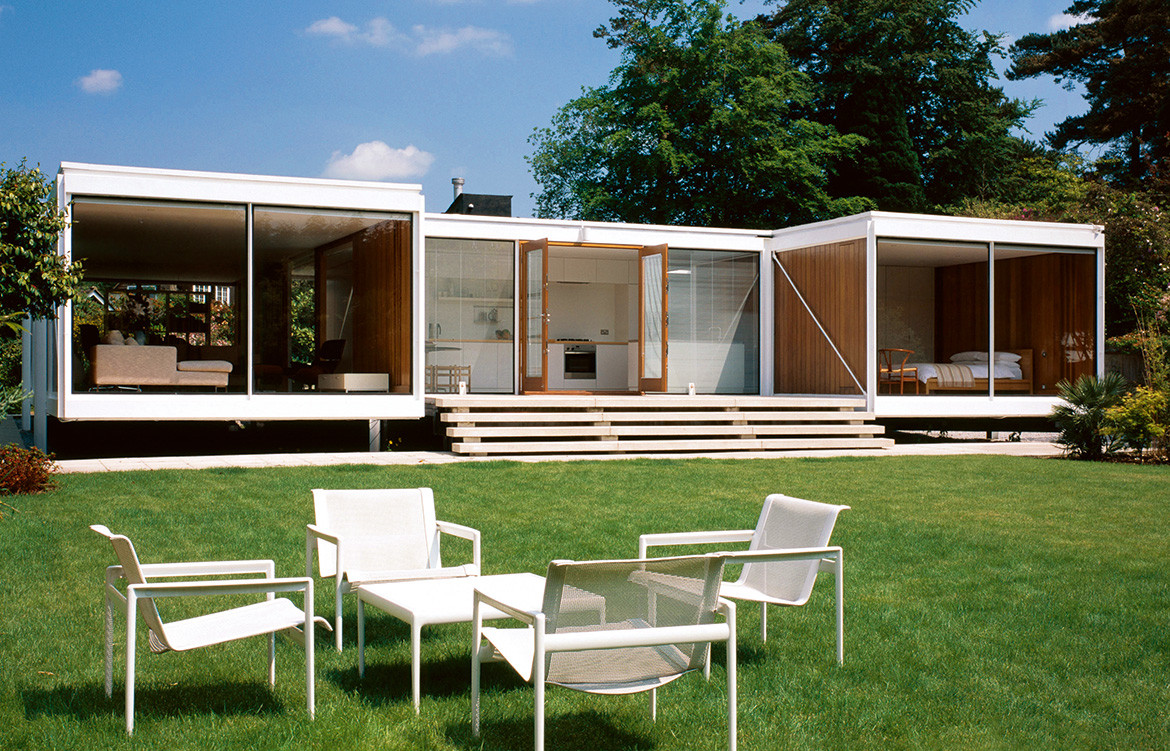
Residential architecture has undergone significant changes as modern design principles have become more popular. Contemporary homes prioritize comfort, efficiency, and a strong connection to nature. Open floor plans create spacious interiors that encourage interaction and flexibility.
Large glass walls and expansive windows allow natural light to flood living spaces, making homes feel brighter and more inviting. Minimalist interiors reduce clutter and promote a sense of calm. Functional layouts ensure that every area serves a purpose while maintaining visual harmony.
Sustainability is also a key consideration in residential projects. Energy-efficient appliances, smart home systems, and environmentally friendly materials help homeowners reduce their environmental footprint. Modern residential architecture reflects changing lifestyles by providing adaptable spaces that support work, leisure, and family life. As housing needs continue to evolve, innovative design solutions will remain essential in creating comfortable and sustainable living environments.
Modern Architecture in Urban Development
Cities around the world are increasingly shaped by modern architectural principles. Urban development projects focus on creating vibrant, efficient, and sustainable communities that accommodate growing populations. Architects and planners work together to design spaces that enhance connectivity and improve quality of life.
Mixed-use developments are a common feature of contemporary cities. These projects combine residential, commercial, and recreational functions within a single area, reducing travel distances and encouraging community interaction. Public spaces, pedestrian pathways, and green areas contribute to healthier urban environments.
Skyscrapers and high-rise buildings showcase engineering innovation while maximizing land use in densely populated areas. Advanced construction methods and sustainable technologies enable these structures to achieve impressive levels of efficiency and performance. Through thoughtful planning and design, modern urban architecture addresses the challenges of population growth, environmental sustainability, and economic development.
Future Trends in Architecture
The future of architecture promises exciting possibilities driven by technological advancement and environmental awareness. Architects are exploring innovative materials, such as self-healing concrete and carbon-neutral construction products, to improve sustainability and durability.
Artificial intelligence and data-driven design are becoming increasingly important. These tools help architects analyze environmental conditions, optimize building performance, and create more efficient structures. Smart cities are also emerging as a major trend, integrating technology into infrastructure to improve transportation, energy management, and public services.
Biophilic design, which emphasizes connections between people and nature, is gaining popularity. Green walls, indoor gardens, and natural materials create healthier and more enjoyable spaces. As society continues to evolve, architecture will play a vital role in addressing global challenges while enhancing human experiences through innovative and sustainable design solutions.
Conclusion
Modern Architecture continues to influence the way buildings are designed and experienced across the world. Its emphasis on simplicity, functionality, innovation, and sustainability has reshaped urban landscapes and improved the quality of life for millions of people. From residential homes to towering skyscrapers, modern design principles provide solutions that meet the demands of contemporary living.
As technology advances and environmental concerns become increasingly important, architects will continue to develop creative approaches that balance aesthetics, efficiency, and responsibility. The enduring appeal of Modern Architecture lies in its ability to adapt to changing needs while maintaining a commitment to thoughtful design. By embracing innovation and sustainability, this architectural movement will remain a driving force in shaping the future of our built environment.