


Choosing the right flooring is one of the most important decisions in any home renovation or construction project. The floor influences the appearance, comfort, durability, and overall value of your property. Among the many flooring options available today, vinyl flooring has become one of the most popular choices for homeowners, designers, and builders. It offers an excellent balance of beauty, affordability, and performance, making it suitable for almost every room in the house.
Modern manufacturing technology has transformed vinyl into a premium flooring material that closely resembles hardwood, stone, ceramic tile, and even concrete. Unlike traditional flooring options that often require extensive maintenance, vinyl offers easy cleaning, impressive water resistance, and long-lasting durability. Whether you are renovating a kitchen, upgrading a bathroom, or installing flooring throughout an entire home, vinyl provides flexibility for every budget and design style.
What Is Vinyl Flooring?
Vinyl flooring is a synthetic flooring material primarily made from polyvinyl chloride (PVC), combined with stabilizers, protective coatings, and decorative layers. These layers work together to create a surface that is durable, comfortable underfoot, and visually attractive.
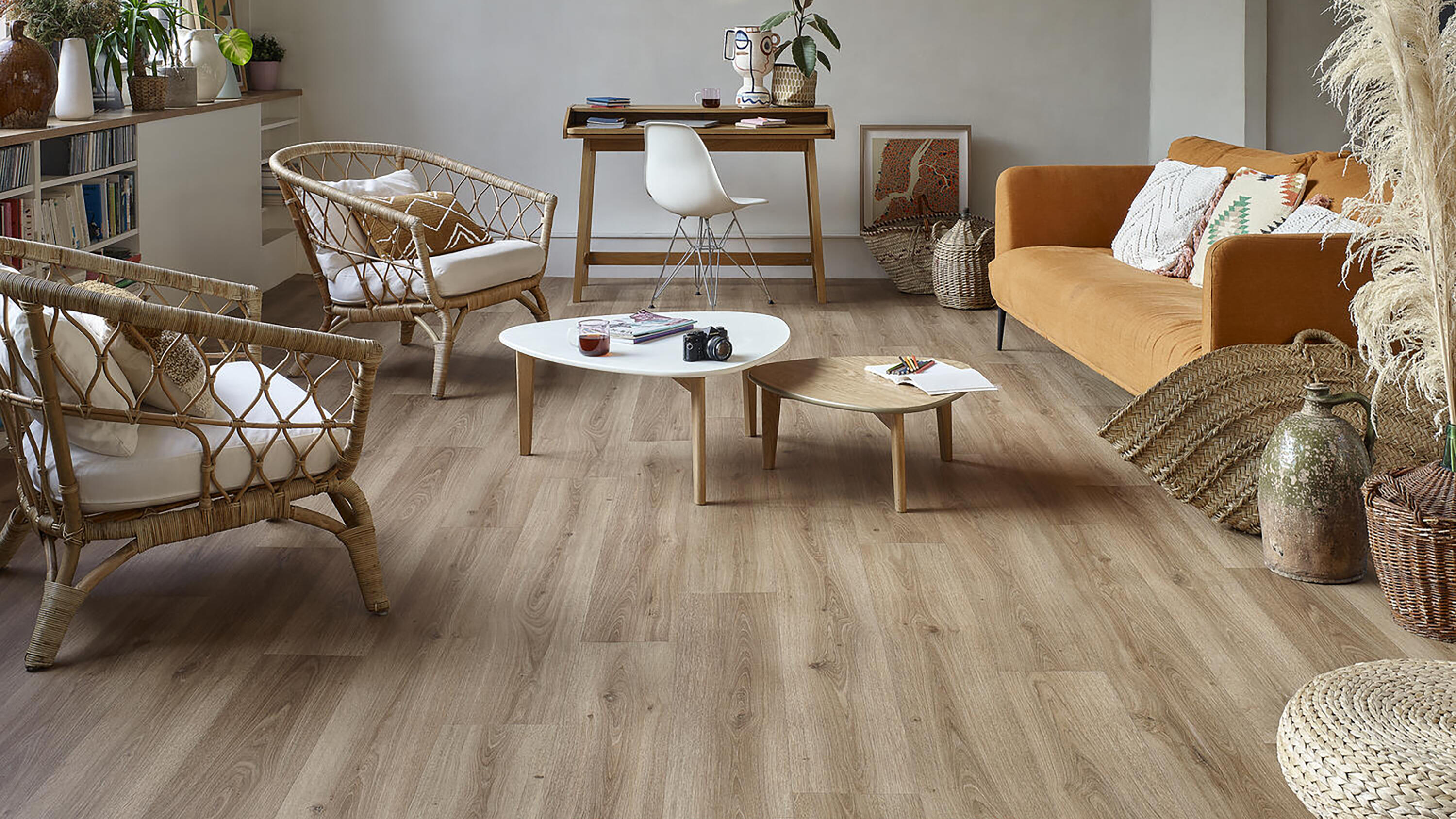
Unlike natural wood or stone, vinyl is engineered to resist moisture, scratches, stains, and everyday wear. Advances in printing technology allow manufacturers to produce realistic textures and patterns that mimic premium flooring materials while remaining significantly more affordable.
Homeowners appreciate vinyl because it combines style with practicality. It performs well in high-traffic areas, requires minimal maintenance, and is available in countless colors, textures, and finishes suitable for both modern and traditional interiors.
Types of Vinyl Flooring
Different varieties are designed to suit different spaces and installation requirements. Understanding these options helps you choose the best solution for your home.
Luxury Vinyl Plank (LVP)
Luxury Vinyl Plank is designed to imitate hardwood flooring. It features realistic wood grain textures and comes in various plank sizes and colors. LVP is ideal for living rooms, bedrooms, hallways, and offices where the warmth of wood is desired without the maintenance.
Luxury Vinyl Tile (LVT)
Luxury Vinyl Tile replicates natural stone, ceramic, marble, and porcelain. It offers a sophisticated appearance while providing greater comfort underfoot compared to traditional tiles.
Sheet Vinyl
Sheet vinyl comes in large rolls with very few seams, making it highly resistant to water penetration. This makes it an excellent option for kitchens, bathrooms, laundry rooms, and basements.
Vinyl Tile
Vinyl tiles are individual square pieces that are easy to replace if damaged. They are commonly used in residential and commercial settings where simple maintenance is important.
Benefits of Vinyl Flooring
One of the biggest reasons homeowners choose vinyl flooring is the wide range of practical benefits it offers.
Some of its major advantages include:
- Affordable compared to hardwood and natural stone
- Highly resistant to moisture
- Comfortable underfoot
- Available in hundreds of colors and patterns
- Easy to clean and maintain
- Durable for busy households
- Suitable for pets and children
- Quick and simple installation
- Scratch-resistant protective surface
- Excellent value for money
These features make vinyl an ideal solution for homeowners seeking long-lasting performance without excessive maintenance costs.
Comparison of Popular Flooring Options
| Flooring Type | Water Resistance | Durability | Maintenance | Cost | Best For |
|---|---|---|---|---|---|
| Vinyl Flooring | Excellent | High | Easy | Affordable | Kitchens, Bathrooms, Living Areas |
| Hardwood | Low | High | Moderate | Expensive | Living Rooms, Bedrooms |
| Laminate | Moderate | Good | Easy | Moderate | Bedrooms, Offices |
| Ceramic Tile | Excellent | Excellent | Easy | Moderate to High | Bathrooms, Kitchens |
| Carpet | Poor | Moderate | High | Moderate | Bedrooms |
The table clearly shows why vinyl has become a preferred flooring option for modern homes.
Where Can Vinyl Flooring Be Installed?
One of the greatest strengths of vinyl flooring is its versatility. It can be installed in nearly every room because of its moisture resistance and durability.
Popular installation areas include:
- Living rooms
- Bedrooms
- Kitchens
- Bathrooms
- Dining rooms
- Laundry rooms
- Home offices
- Basements
- Hallways
- Rental properties
Unlike hardwood, vinyl performs exceptionally well in humid environments, making it an excellent solution for spaces exposed to water and heavy foot traffic.
Installation Process
Installing vinyl flooring is generally easier than many traditional flooring materials. Many products feature click-lock systems or peel-and-stick backing, allowing faster installation.
The basic installation process includes:
Preparing the Subfloor
The surface must be clean, level, dry, and free from debris. Proper preparation ensures a smooth finish and prevents future problems.
Measuring the Area
Accurate measurements reduce waste and help estimate material requirements more efficiently.
Installing the Flooring
Depending on the product, installation may involve click-lock planks, adhesive application, or loose-lay methods. Careful alignment ensures a professional appearance.
Finishing Touches
Baseboards, transition strips, and edge trims complete the installation while protecting exposed edges.
Professional installation often guarantees the best results, although many homeowners successfully complete DIY projects using modern click-lock systems.
Maintenance Tips for Long-Lasting Floors
Keeping vinyl floors attractive requires only simple routine care. Unlike natural wood, they do not require sanding, polishing, or refinishing.
For the best results:
- Sweep or vacuum regularly.
- Mop with a damp microfiber mop.
- Clean spills immediately.
- Avoid abrasive scrubbers.
- Use furniture pads.
- Place mats near entrances.
- Avoid dragging heavy furniture.
- Follow manufacturer cleaning recommendations.
Regular maintenance helps preserve the protective wear layer and keeps floors looking new for many years.
How to Choose the Best Vinyl Flooring
Selecting the right flooring depends on your home’s needs, lifestyle, and design preferences.
Consider these important factors:
Wear Layer Thickness
A thicker wear layer provides better protection against scratches, dents, and heavy foot traffic.
Waterproof Performance
For kitchens, bathrooms, and laundry areas, fully waterproof products offer the greatest protection.
Style and Appearance
Choose colors and textures that complement your walls, furniture, and interior design theme.
Installation Method
Click-lock planks are ideal for DIY projects, while glue-down options provide extra stability in commercial spaces.
Budget
Vinyl is available in a wide range of price points, making it accessible for nearly every renovation budget.
Balancing these considerations helps ensure long-term satisfaction with your flooring investment.
Common Mistakes to Avoid
Even high-quality flooring may experience issues if installed or maintained incorrectly.
Avoid these common mistakes:
- Installing over uneven surfaces
- Ignoring manufacturer instructions
- Using harsh chemical cleaners
- Allowing standing water for long periods
- Choosing thin wear layers for busy areas
- Skipping expansion gaps when required
- Moving heavy furniture without protection
Avoiding these errors extends the life and appearance of your flooring.
Is Vinyl Flooring Eco-Friendly?
Environmental concerns have encouraged manufacturers to improve the sustainability of flooring products. Many modern vinyl options now feature low-emission manufacturing processes and improved indoor air quality certifications. Some products also contain recycled materials and are designed to last longer, reducing replacement frequency.
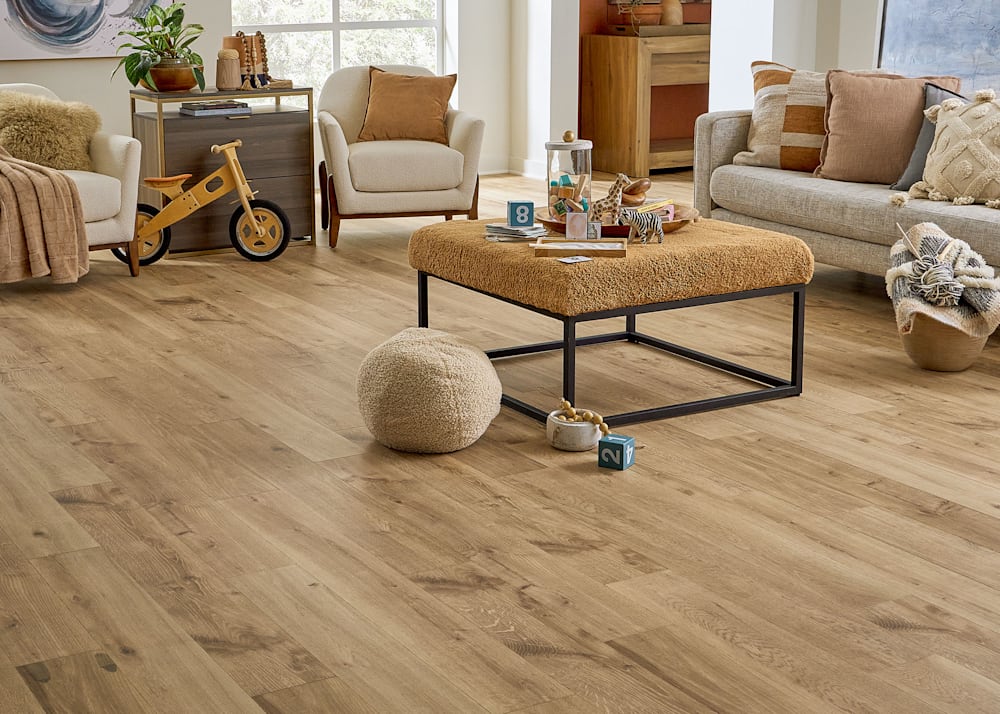
Although vinyl is a synthetic material, its durability contributes to reduced waste over time. Choosing products manufactured with environmentally responsible practices and maintaining them properly can help reduce environmental impact while enjoying the practical benefits of long-lasting flooring.
Why Homeowners Continue Choosing Vinyl Flooring
Modern homes demand flooring that combines style, strength, affordability, and convenience. Vinyl successfully delivers all these qualities while offering design flexibility rarely matched by competing materials. Whether you prefer rustic wood, elegant marble, or sleek concrete finishes, there is a vinyl option that suits your vision.
Families with children, pet owners, landlords, and homeowners alike appreciate its resistance to spills, scratches, and daily wear. Combined with easy installation and simple maintenance, vinyl continues to be one of the fastest-growing flooring choices worldwide.
Conclusion
Vinyl flooring has become one of the smartest flooring investments available today. Its combination of durability, affordability, realistic designs, water resistance, and low maintenance makes it suitable for almost every room in a home. Whether you are building a new house, remodeling an existing space, or upgrading a single room, vinyl provides long-lasting beauty without the high costs associated with natural materials. By understanding the different types, installation methods, maintenance requirements, and buying considerations, homeowners can confidently choose flooring that meets both functional and aesthetic needs. With proper care, quality vinyl flooring can maintain its attractive appearance for many years, making it a practical and stylish choice for modern living.