

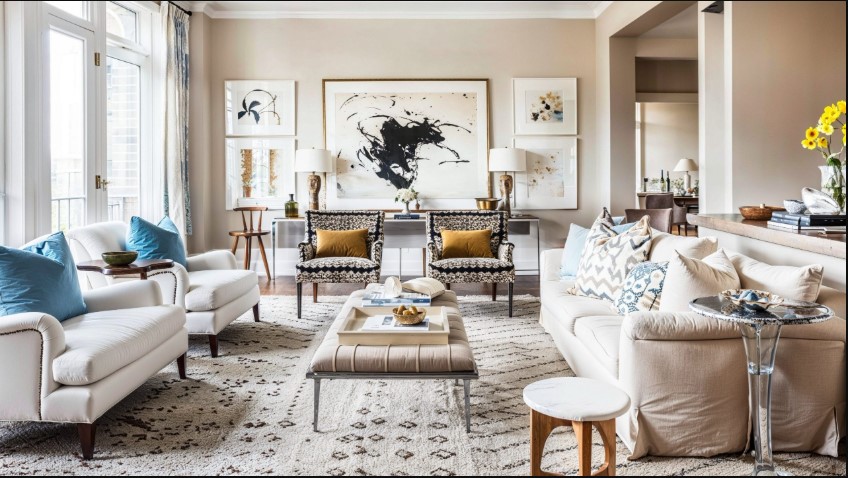
Interior painting plays a vital role in transforming the appearance and atmosphere of a home. The right painting design can make a room feel larger, brighter, warmer, or more luxurious. Many homeowners struggle with selecting colors, themes, and techniques that complement their interior décor. Understanding how to design a interior painting can help create visually appealing spaces that reflect personal style while enhancing functionality.
A well-designed interior painting project involves more than simply choosing a color from a catalog. It requires planning, consideration of lighting conditions, furniture placement, room purpose, and overall design aesthetics. Whether you are decorating a living room, bedroom, kitchen, or office space, the right painting design can dramatically improve the visual appeal and value of your property.
This comprehensive guide explains every aspect of how to design a interior painting, helping homeowners and designers make informed decisions that result in stunning interiors.
Understanding the Importance of Interior Painting Design
Interior painting serves as one of the most affordable and impactful methods of home improvement. Colors influence emotions, productivity, comfort, and perception of space. A thoughtfully designed paint scheme can unify the entire home while highlighting architectural features.
When learning how to design a interior painting, it is important to understand the psychological effects of colors. Warm shades such as red, orange, and yellow create energy and excitement. Cool colors like blue, green, and lavender provide relaxation and calmness. Neutral tones offer flexibility and timeless elegance.
Interior painting also protects walls from moisture, dust, and daily wear. Beyond aesthetics, quality paint contributes to durability and easier maintenance. Proper planning ensures the selected design remains attractive for years while complementing changing décor trends.
Successful interior painting design balances creativity and practicality. The goal is to create a cohesive environment that feels comfortable, welcoming, and visually appealing throughout the home.
Factors to Consider Before Designing Interior Painting
Before choosing colors and patterns, several important factors should be evaluated. These considerations help create harmony between the paint design and the room’s overall appearance.
Key Factors
- Room size and dimensions
- Natural and artificial lighting
- Existing furniture and décor
- Purpose of the room
- Ceiling height
- Personal preferences
- Color psychology
- Maintenance requirements
Large rooms can handle darker shades without feeling cramped, while smaller spaces often benefit from lighter colors that create openness. Rooms receiving abundant sunlight may display colors differently than those with limited natural light.
Evaluating these factors is essential when deciding how to design a interior painting that achieves both beauty and functionality.
Choosing the Right Color Palette
Selecting the perfect color palette is often the most important step in interior painting design. The chosen colors should complement furniture, flooring, curtains, and decorative accessories.
Many designers recommend following the 60-30-10 color rule. In this approach, 60% of the room features a dominant color, 30% uses a secondary color, and 10% serves as an accent color. This balance creates visual interest without overwhelming the space.
For modern interiors, neutral shades such as beige, gray, white, and cream remain highly popular. These colors provide versatility and create a sophisticated foundation for decorative elements. Bold accent walls can introduce personality while maintaining overall balance.
Understanding color relationships and combinations helps homeowners master how to design a interior painting that feels cohesive and professionally planned.
Popular Interior Painting Styles
Different painting styles can dramatically influence the character of a room. Choosing the right style depends on personal taste and interior design goals.
| Painting Style | Characteristics | Best For |
|---|---|---|
| Modern Minimalist | Neutral colors, clean lines | Contemporary homes |
| Classic Traditional | Rich colors, elegant finishes | Formal interiors |
| Scandinavian | Soft whites and natural tones | Bright living spaces |
| Industrial | Gray, black, and earthy shades | Urban apartments |
| Rustic | Warm and natural colors | Country-style homes |
| Luxury Contemporary | Metallic accents and bold contrasts | Premium interiors |
Each style provides unique opportunities for creativity. Matching the painting style with furniture and architectural elements ensures a consistent and appealing design theme throughout the home.
Designing Accent Walls for Visual Impact
Accent walls are among the most effective ways to create focal points in interior spaces. Rather than painting every wall the same color, one wall is highlighted using a contrasting shade, texture, or artistic finish.

Living rooms often feature accent walls behind televisions or sofas. Bedrooms commonly use accent walls behind the bed’s headboard. Accent walls add depth, dimension, and character without overwhelming the room.
When considering how to design a interior painting, accent walls offer flexibility and creativity. Popular accent wall colors include navy blue, emerald green, charcoal gray, and terracotta. Textured finishes, geometric patterns, and decorative stencils can further enhance the visual effect.
The key is maintaining balance. An accent wall should draw attention while harmonizing with the room’s overall color palette.
Selecting Paint Finishes
Paint finish selection significantly affects the final appearance of interior walls. Different finishes offer varying levels of shine, durability, and maintenance.
Common Paint Finishes
Matte Finish
- Non-reflective appearance
- Excellent for hiding imperfections
- Suitable for bedrooms and living rooms
Eggshell Finish
- Soft sheen
- Easy to clean
- Popular for family spaces
Satin Finish
- Smooth and durable
- Moisture resistant
- Suitable for kitchens and hallways
Semi-Gloss Finish
- Reflective surface
- Easy maintenance
- Ideal for bathrooms and trim
Gloss Finish
- High shine
- Extremely durable
- Best for doors and decorative elements
Choosing the correct finish is an essential component of how to design a interior painting because it impacts both aesthetics and practicality.
Matching Paint Colors with Room Functions
Different rooms serve different purposes, and paint colors should support those functions. A bedroom designed for relaxation requires a different color approach than a workspace focused on productivity.
Soft blues, greens, and neutral tones work well in bedrooms because they encourage relaxation. Living rooms benefit from warm, inviting colors that promote social interaction. Kitchens often look attractive with clean whites, soft yellows, or light grays that enhance brightness.
Home offices may utilize shades of blue and green to improve focus and concentration. Children’s rooms can incorporate playful colors while maintaining visual balance.
Understanding room functionality helps homeowners determine how to design a interior painting that enhances daily activities while maintaining aesthetic appeal.
Incorporating Modern Painting Trends
Interior painting trends continue to evolve as homeowners seek fresh and innovative design solutions. Modern trends emphasize individuality, sustainability, and visual sophistication.
Popular trends include earthy tones, muted greens, warm terracotta shades, and soft beige palettes. Two-tone wall designs have also gained popularity, creating unique visual divisions and architectural interest.
Textured finishes, color blocking, and artistic wall effects allow homeowners to personalize their interiors. Sustainable and low-VOC paints are increasingly preferred due to their environmental and health benefits.
While trends can inspire creativity, timeless design principles should remain the foundation of any interior painting project to ensure long-lasting appeal.
Common Mistakes to Avoid
Many homeowners make avoidable mistakes during the painting design process. Awareness of these issues can lead to better outcomes and greater satisfaction.
Mistakes to Avoid
- Ignoring lighting conditions
- Choosing colors without testing samples
- Overusing bold colors
- Forgetting ceiling color coordination
- Neglecting room flow between spaces
- Using too many competing colors
- Selecting unsuitable paint finishes
- Following trends without considering personal preferences
Avoiding these common errors helps create a cohesive and attractive design that enhances the home’s overall appearance.
Professional Tips for Better Interior Painting Design
Professional designers recommend creating a clear vision before beginning any painting project. Collecting inspiration images, color samples, and design references can simplify decision-making.
Always test paint samples on walls before committing to a final color. Observe the samples during different times of the day to understand how lighting affects their appearance. Consider neighboring rooms to ensure smooth visual transitions throughout the home.
Another valuable tip when learning how to design a interior painting is to focus on balance. Combining bold and neutral elements creates harmony while preventing visual clutter. Investing in high-quality paint products also contributes to better durability and finish quality.
Thoughtful planning and attention to detail often make the difference between an average result and an exceptional interior transformation.
Conclusion
Learning how to design a interior painting involves much more than selecting attractive colors. It requires understanding color psychology, room functionality, lighting conditions, painting styles, finishes, and design balance. A carefully planned interior painting project can dramatically improve the beauty, comfort, and value of a home.
By considering room size, selecting appropriate color palettes, incorporating accent walls, choosing suitable finishes, and avoiding common mistakes, homeowners can achieve professional-quality results. Whether creating a modern minimalist space or a luxurious traditional interior, the right painting design transforms ordinary rooms into inspiring living environments.
With proper planning and creativity, anyone can master how to design a interior painting and create interiors that are both stylish and timeless.