

Introduction
The modern world is filled with fast-paced routines, constant notifications, and overwhelming visual clutter. As people search for peace and simplicity in their daily lives, home design trends are also shifting toward minimalism. One of the most interesting and fast-growing trends in this movement is floor-based sleeping.
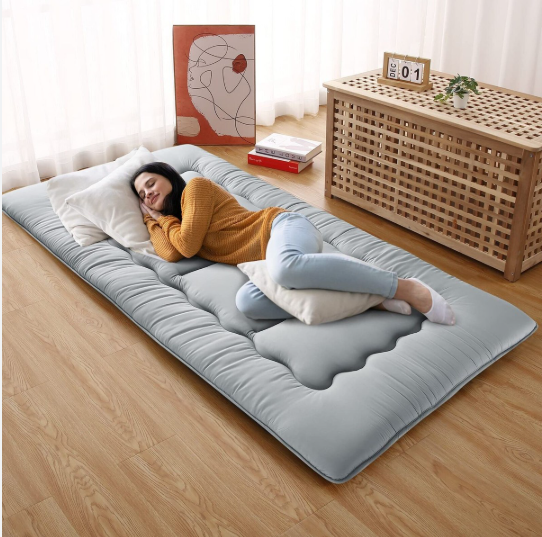
A japanese floor bed is more than just a mattress placed on the ground—it represents a lifestyle rooted in simplicity, mindfulness, and functionality. Inspired by traditional Japanese interiors, this sleeping method removes unnecessary furniture and focuses on open space, clean design, and natural comfort.
Unlike Western-style beds that often dominate the bedroom with heavy frames and thick mattresses, this approach encourages sleeping closer to the ground. This creates a more grounded feeling, both physically and mentally, which many people find calming.
In recent years, this style has gained global attention due to rising interest in minimal living, small-space optimization, and wellness-focused home design. From small city apartments to modern villas, people are experimenting with this concept to improve sleep quality and interior aesthetics.
This detailed guide will explore every aspect of this sleeping style, including its history, benefits, materials, setup process, design ideas, health effects, comparisons, and maintenance techniques. By the end, you will have a complete understanding of how this simple yet powerful lifestyle shift can transform your home.
Origins and Philosophy Behind Japanese Floor Sleeping

Traditional Roots of Minimal Sleeping Culture
The concept of sleeping close to the ground originates from traditional Japanese homes, where space efficiency and harmony with nature were essential principles. Rooms were designed to be multifunctional, meaning the same space used for living during the day would transform into a sleeping area at night.
Instead of fixed furniture, people used foldable bedding such as futons placed on tatami mats. This allowed the room to remain open, clean, and flexible throughout the day. This practice is still widely used in Japan today and has influenced modern interior design across the world.
The idea behind a japanese floor bed is deeply connected to the philosophy of “less is more.” It emphasizes removing unnecessary objects to create mental clarity and physical comfort. This approach encourages people to live intentionally and focus only on what truly matters.
Connection With Zen and Mindful Living
Zen philosophy plays a significant role in this design style. Zen encourages simplicity, mindfulness, and awareness of the present moment. A clutter-free sleeping space naturally supports these principles by reducing distractions and promoting calmness.
Sleeping closer to the ground also symbolizes grounding energy—being physically connected to the earth. Many people believe this creates a sense of balance and stability in daily life.
Health and Wellness Benefits of Floor Sleeping
Improved Posture and Spinal Alignment
One of the most commonly discussed benefits of floor sleeping is its potential impact on posture. A firmer sleeping surface encourages the spine to remain in a more natural alignment. This can help reduce tension in the lower back and shoulders over time.
While comfort preferences vary from person to person, many individuals report feeling less stiffness after adjusting to this sleeping style. The key is using a supportive mattress that is not too soft or too hard.
Better Sleep Quality and Reduced Restlessness
A simple sleeping environment often leads to better rest. Without bulky furniture or visual clutter, the brain experiences fewer distractions, making it easier to relax before sleep.
Many users of the japanese floor bed lifestyle report deeper sleep cycles and fewer nighttime disturbances. This may be linked to the calming effect of a minimal environment.
Improved Airflow and Natural Temperature Regulation
Sleeping closer to the floor can sometimes help regulate body temperature more effectively, especially when paired with breathable materials. Proper airflow reduces heat buildup and creates a more comfortable sleep environment.
However, it is important to ensure the floor area is clean and well-ventilated to avoid moisture-related issues.
Mental Clarity and Stress Reduction
A clean and minimal bedroom reduces cognitive overload. When your surroundings are simple, your mind is less likely to feel overwhelmed. This creates a calming environment that supports relaxation and emotional balance.
Many wellness enthusiasts choose this style specifically for its psychological benefits.
Materials Used in Japanese Floor Bed Setup
Traditional and Modern Material Options
Choosing the right materials is essential for comfort, durability, and hygiene. Below is a detailed breakdown of commonly used materials in floor sleeping systems.
| Material | Comfort Level | Breathability | Durability | Best For |
|---|---|---|---|---|
| Tatami Mats | Medium | High | High | Traditional setups |
| Memory Foam Mattress | High | Low-Medium | Medium | Soft comfort seekers |
| Latex Mattress | High | High | High | Long-term use |
| Futon Mattress | Medium | High | Medium | Flexible daily use |
| Wooden Platform Base | Medium | High | High | Elevated airflow systems |
Tatami mats remain the most authentic choice, offering a natural feel and excellent ventilation. However, modern materials like latex and memory foam provide additional comfort for those transitioning from traditional beds.
Importance of Breathability and Hygiene
Since mattresses are placed closer to the floor, airflow becomes extremely important. Without proper ventilation, moisture can accumulate, leading to discomfort or hygiene issues.
That is why many modern setups combine wooden slats or breathable mats underneath the mattress to maintain airflow.
A well-designed japanese floor bed always balances comfort with hygiene and air circulation.
Step-by-Step Guide to Setting Up a Floor Bed Space

Choosing the Right Room Layout
The first step is selecting a suitable space. Ideally, the room should have enough ventilation and natural light. Open layouts work best because they enhance the feeling of spaciousness.
Avoid overcrowding the room with unnecessary furniture. The goal is to create a peaceful and open environment.
Preparing the Floor Base
The floor should be clean, dry, and level. If needed, a protective layer such as a tatami mat or breathable sheet can be added to prevent moisture buildup.
Selecting the Mattress or Futon
Choose a mattress based on your comfort preference. Firm or medium-firm options are usually recommended for better spinal support.
Adding Minimal Accessories
Keep decorations simple. A small lamp, a plant, or a low-height bedside table can be enough to complete the setup without creating clutter.
Interior Design Ideas for Japanese Floor Bed Spaces
Minimalist Aesthetic Approach
Minimalism is the core of this design style. Neutral colors like white, beige, and soft grey help create a calm and soothing environment.
Avoid heavy patterns or overly bright colors, as they can disrupt visual harmony.
Natural Elements and Texture Balance
Incorporating natural materials such as wood, cotton, and linen enhances the organic feel of the room. Indoor plants can also improve air quality and add a refreshing touch.
Lighting for Relaxation
Soft lighting is essential. Warm-toned lamps or indirect lighting create a cozy atmosphere that promotes relaxation before sleep.
Harsh lighting should be avoided in sleeping areas.
A well-designed japanese floor bed space should feel like a calm retreat from the outside world.
Comparison Between Floor Bed and Traditional Bed
Key Differences in Design and Function
| Feature | Floor Bed System | Traditional Bed |
|---|---|---|
| Space Usage | Minimal | High |
| Cost | Low | High |
| Mobility | Flexible | Fixed |
| Cleaning Ease | Easy | Moderate |
| Aesthetic Style | Minimalist | Conventional |
| Comfort Customization | Moderate | High |
This comparison shows that while traditional beds offer more customization, floor sleeping systems excel in simplicity, affordability, and space efficiency.
Common Mistakes to Avoid
Ignoring Ventilation
One of the biggest mistakes is placing a mattress directly on a non-breathable surface. This can lead to moisture buildup and discomfort.
Choosing the Wrong Mattress Type
Overly soft mattresses may not provide enough support, while extremely hard surfaces may feel uncomfortable for beginners.
Cluttering the Room
Adding too many items defeats the purpose of minimal living. The space should remain open and calming.
Maintenance and Care Tips
Regular Cleaning Routine
Cleaning the floor area frequently is essential to maintain hygiene. Dust and dirt can accumulate more easily at ground level.
Air Out Bedding Frequently
Mattresses and futons should be aired out regularly to prevent moisture buildup and maintain freshness.
Rotate Mattress Periodically
Rotating the mattress helps maintain even wear and improves durability over time.
Frequently Asked Questions (FAQs)
Is a Japanese floor bed comfortable for daily use?
Yes, it can be very comfortable when paired with the right mattress and setup.
Does it help with back pain?
It may help some individuals by improving spinal alignment, but results vary.
Can I use a soft mattress on the floor?
It is better to use a medium or firm mattress for proper support.
Is it suitable for small apartments?
Yes, it is ideal for small spaces due to its minimal footprint.
How do I prevent moisture issues?
Ensure good ventilation and use breathable mats or platforms.
Conclusion: A Lifestyle Shift Toward Simplicity and Comfort
The growing popularity of floor-based sleeping reflects a broader shift toward minimalism, mindfulness, and intentional living. Instead of focusing on excess furniture and complicated interiors, this approach encourages simplicity and functionality.
A japanese floor bed is not just a sleeping arrangement—it is a lifestyle choice that promotes better space utilization, mental clarity, and a deeper connection with your environment. When designed thoughtfully, it can transform any bedroom into a peaceful retreat.
By choosing the right materials, maintaining cleanliness, and embracing minimal design principles, you can create a sleeping space that supports both physical comfort and emotional well-being.
If you are looking to simplify your home and improve your sleep experience, this style offers a powerful and practical solution that blends tradition with modern living.
Read More:-Smart Space Sleeping Ideas for Modern Compact Kids Room Design 101