

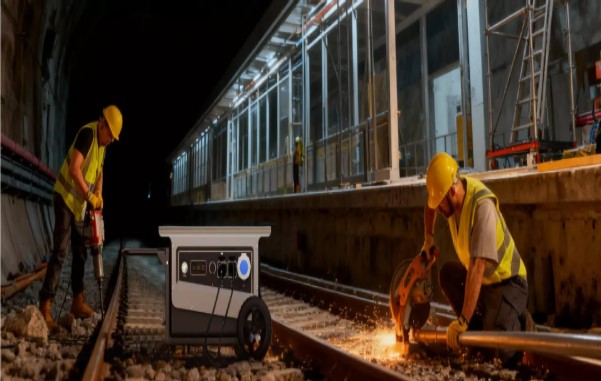
Construction sites are tough places to work. Equipment is used day and night, deadlines are strict, and downtime costs more than just money it leads to delays, unhappy clients, and messed-up schedules. Reliable power is essential for everything to run smoothly. Without it, tools stop working, crews wait around, and progress comes to a halt. That is why more site managers are turning to an Industrial Power Station to keep operations running without interruption, and why how a site manages its power supply directly affects how well the whole operation runs.
For years, construction sites have relied on diesel generators, temporary grid hookups, and makeshift electrical setups. But these methods have real drawbacks. Fuel prices go up and down, generators need regular maintenance, grid connections can be slow to set up, and noise and emissions cause both regulatory and practical problems. New industrial power solutions are starting to solve these issues in a big way.
What These Systems Actually Deliver
A purpose-built industrial power system is more than just a bigger generator. It’s designed to handle the heavy and changing demands of a busy construction site. These systems can run nonstop, stand up to tough conditions, and manage several loads at once without causing voltage swings that could harm sensitive equipment.
This makes a big difference in daily site operations. Tools work as they should, lighting stays steady, and machines start up without problems. Site managers can spend less time fixing power issues and more time focusing on the actual work.
Reducing Downtime and Keeping Work Moving
One of the clearest ways these systems boost efficiency is by cutting down on unexpected downtime. On a busy site, a power outage doesn’t just stop one job it affects many crews and tasks. When the power fails, everything that relies on it stops, and getting things going again takes time that often isn’t built into the schedule.
Modern power solutions address this through:
- Consistent and stable output that prevents equipment trips and shutdowns
- Built-in redundancy features that maintain supply even if one component requires attention.
- Robust construction that performs reliably in dust, heat, rain, and the general punishment of an active site
- Centralized management that gives site managers clear visibility over consumption and load distribution
All these features help keep the site running smoothly instead of losing hours to preventable power issues.
Cutting Fuel Costs and Improving Resource Management
Fuel is one of the biggest ongoing expenses on any construction project. Traditional diesel generators are often inefficient, especially when they’re not running at full capacity. This is common on sites where power needs change throughout the day as different crews and equipment are used.
Modern power management systems are built to handle changing loads more smartly. Instead of running a big diesel generator at half power and wasting fuel, these systems adjust their output to match what’s needed. This cuts fuel use without risking supply, and over a long project, the savings can really add up.
Good power management also helps equipment last longer. When tools and machines get steady, clean power, they don’t need repairs as often and last longer. This means lower maintenance costs and fewer replacements, which directly saves money on any project.
Supporting Safer Working Conditions
Electrical safety is a major issue on construction sites. Temporary wiring, overloaded circuits, and poor power management are top causes of accidents and close calls. A messy power setup isn’t just inefficient—it’s dangerous.
Centralized power distribution, good circuit protection, and clear load management lower the risk of electrical faults, overloads, and risky workarounds when power can’t keep up. A safer site is also more efficient—fewer accidents mean fewer stoppages, investigations, and costly setbacks.
Flexibility Across Different Project Types and Phases
Construction projects are always changing. As work moves from groundwork to structure to finishing, power needs shift at each stage. If the power setup can’t adapt, it causes delays and inefficiencies every time the project moves forward.
This flexibility is a key reason to invest in a good Industrial Power Station for construction. The best systems are modular and scalable, so you can adjust capacity as site needs change instead of bringing in new equipment for every phase. For contractors working on several sites or moving between projects, this adaptability saves time and money.
The Future of Power on Construction Sites
The construction industry is under increasing pressure to reduce emissions, improve sustainability, and use resources responsibly. Power solutions are changing to meet these goals. Hybrid systems that mix battery storage with cleaner energy sources are now a real option for sites that want to lower their environmental impact without losing reliability or performance. Upgrading from traditional temporary solutions to a properly engineered system has never been stronger.
Final Thoughts
Efficiency on a construction site depends on keeping people, equipment, and materials working together without needless delays. Power connects everything. If it’s unreliable, the whole site struggles. If it’s managed well, the site runs better. A good power solution cuts fuel waste and downtime, boosts safety and flexibility, and makes a real difference, especially in an industry where tight margins and tough schedules are the norm.