

Introduction
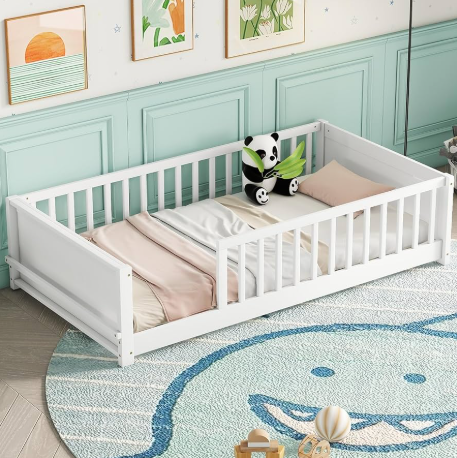
Modern parenting is shifting toward simpler, safer, and more child-friendly sleep environments. One of the most talked-about approaches today is the idea of creating a low, open sleeping space that allows children to move freely while still feeling secure. Many families exploring Montessori-inspired living eventually come across the concept of a floor bed toddler arrangement as a natural transition from crib to independent sleep.
This approach is not just a design trend—it reflects a deeper understanding of child development, independence, and emotional comfort. Parents appreciate how it removes barriers, reduces nighttime stress, and helps children build confidence in their own space.
Unlike traditional cribs, this style focuses on freedom of movement, accessibility, and safety within a fully child-proofed room. When designed thoughtfully, it can transform bedtime struggles into calm, predictable routines.
Understanding the Concept of Low-Level Toddler Sleep Spaces

A low-level sleep arrangement places the mattress directly on or close to the ground, removing the need for rails or elevated frames. This setup allows toddlers to get in and out of bed independently while maintaining a safe environment.
The idea behind a floor bed toddler setup is rooted in encouraging autonomy. Instead of restricting movement, it invites exploration while keeping everything within a controlled, safe room.
This design philosophy aligns closely with Montessori principles, where children are trusted to interact with their environment at their own pace. It also supports emotional development by reducing dependency on constant parental assistance during sleep transitions.
Why Parents Are Choosing This Sleep Style Today
Parents today are more aware of how environment shapes behavior. Instead of focusing only on containment, they are now prioritizing comfort, independence, and emotional security.
A floor bed toddler arrangement offers a balanced solution that supports both safety and growth. It eliminates the fear of falling from height while also encouraging children to understand their sleep boundaries naturally.
Another reason for its popularity is simplicity. Minimal furniture, open space, and flexible layouts make bedrooms easier to maintain and more visually calming.
Additionally, parents find that bedtime resistance often reduces when children feel they have control over their own space.
Benefits That Go Beyond Sleep Comfort
The advantages of this sleep style extend far beyond just nighttime rest. It influences behavior, emotional development, and even daily routines.
One of the biggest benefits is independence. Children learn to enter and exit their sleeping space without assistance, building confidence in small but meaningful ways.
Another important advantage is improved sleep association. Since the bed is accessible at all times, children begin to view it as a safe, personal space rather than a confined area.
A floor bed toddler environment also reduces anxiety during nighttime wake-ups. Instead of crying for help, children can self-soothe and return to sleep more easily.
Finally, it promotes better room interaction. The child becomes more familiar with their surroundings, leading to improved spatial awareness and comfort.
Safety Considerations Every Parent Must Know
Safety is the foundation of any toddler sleep setup. While this approach reduces fall-related risks, it still requires careful planning.
Rooms must be fully childproofed before introducing a floor bed toddler setup. This includes securing furniture to walls, covering sharp edges, and keeping electrical outlets protected.
Soft flooring or rugs are recommended to provide additional cushioning. Parents should also ensure that no small or hazardous objects are within reach.
Ventilation and temperature control are equally important, as toddlers are more sensitive to environmental changes during sleep.
Proper lighting, such as soft night lamps, can help children feel secure without disrupting rest.
Designing a Calm and Functional Sleep Environment
A well-designed toddler bedroom should feel open, peaceful, and easy to navigate. The goal is to create a space that supports both rest and play without overwhelming the child.
Minimalism plays a key role here. Instead of overcrowding the room with furniture, focus on essential items that support daily routines.
A floor bed toddler setup works best when placed in a corner or against a wall, creating a sense of security without enclosing the child.
Soft colors like pastels, beige, and light blues often work well because they promote relaxation. Storage should be easily accessible so children can begin learning organization skills early.
Natural light also plays a major role in maintaining a healthy sleep-wake cycle.
Comparison of Traditional Crib vs Open Sleep Setup
| Feature | Traditional Crib | Open Floor Sleep Setup |
|---|---|---|
| Independence | Limited movement | High freedom of access |
| Safety Risk | Fall from height possible | Low-height reduces risk |
| Room Flexibility | Fixed structure | Highly adaptable layout |
| Child Confidence | Moderate | Strong self-reliance |
| Long-Term Use | Short-term stage | Longer usability |
This comparison shows why many families are transitioning toward more flexible sleep solutions as their children grow.
Emotional and Developmental Impact on Toddlers
Sleep environments are deeply connected to emotional development. When children feel secure and trusted, they tend to develop stronger self-regulation skills.
A floor bed toddler arrangement encourages this by allowing children to decide when to rest and when to wake within safe boundaries. This freedom builds early decision-making skills.
It also reduces bedtime anxiety. Instead of feeling confined, children feel respected and included in their environment.
Over time, this can lead to smoother sleep routines and fewer nighttime disturbances.
Creating a Smooth Transition from Crib to Open Sleep
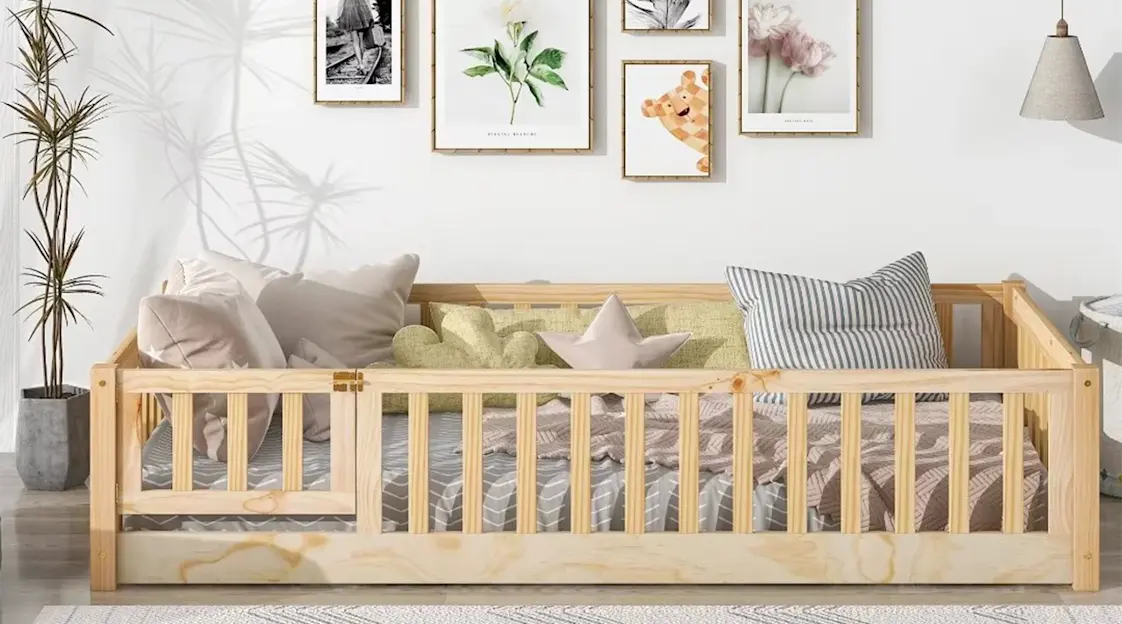
Transitioning should always be gradual. Sudden changes can cause confusion or resistance, especially in sensitive sleepers.
Parents often begin by introducing daytime naps in the new setup before shifting full nighttime sleep.
A floor bed toddler transition works best when paired with consistent bedtime routines such as reading, dim lighting, and calming activities.
Familiar objects like blankets or soft toys can also help children adjust more easily.
Consistency is key—once routines are established, children usually adapt quickly.
Room Safety and Layout Best Practices
A safe room layout is essential for success. Every corner should be evaluated from a toddler’s perspective.
Heavy furniture should always be anchored to walls. Items that can tip over must be secured or removed entirely.
A floor bed toddler setup should also include a clear movement path so children can navigate the room safely even at night.
Avoid placing cords, heaters, or breakable objects within reach. The simpler the room, the safer it becomes.
Soft lighting helps children orient themselves during nighttime wake-ups without overstimulation.
Sleep Psychology and Toddler Behavior
Children respond strongly to environmental cues. A predictable, calm sleep space helps regulate their internal body clock.
When using a floor bed toddler arrangement, children begin to associate their bed with comfort rather than restriction.
This reduces resistance during bedtime and supports faster sleep onset.
Psychologists often emphasize that autonomy in early childhood builds long-term emotional resilience and confidence.
Common Myths and Misunderstandings
Many parents worry that children will constantly leave bed or refuse to sleep. However, behavior largely depends on routine and consistency rather than bed type.
Another misconception is that this setup is unsafe. In reality, when properly prepared, it significantly reduces injury risks compared to elevated beds.
Some also believe it requires special furniture, but a simple mattress on the floor is often enough to begin.
Troubleshooting Early Challenges
Adjustment periods are normal. Some children may explore the room more during the first few nights.
In a floor bed toddler setup, this is usually temporary and reduces as routines become familiar.
If sleep disruptions occur, reinforcing bedtime structure and limiting stimulation before sleep can help.
Patience is essential—most children adapt within a few weeks.
FAQs
Is this sleep setup safe for all toddlers?
Yes, when the room is properly childproofed and hazards are removed.
At what age can I start this transition?
Most parents begin between 18 months and 3 years, depending on readiness.
Will my child keep getting out of bed?
Initially yes, but consistent routines help reduce this behavior over time.
Do I still need a crib?
Not necessarily, especially once the child adapts to independent sleep.
How important is mattress choice?
Very important—firm, breathable mattresses support healthy development.
Long-Term Advantages for Child Development
Over time, children raised in independent sleep environments often show improved confidence and self-regulation.
A floor bed toddler system encourages responsibility from an early age, helping children understand boundaries naturally.
It also supports better emotional adjustment during transitions like moving rooms or traveling.
These early habits can influence lifelong sleep quality and independence.
Conclusion
Choosing the right sleep environment for a child is one of the most important parenting decisions in early development. A thoughtfully designed setup can improve safety, emotional comfort, and long-term sleep habits.
A floor bed toddler approach offers a balanced blend of freedom and structure, allowing children to grow at their own pace while staying safe and secure. It reduces bedtime struggles, encourages independence, and creates a calm, child-centered environment.
When combined with proper safety measures, consistent routines, and mindful design, it becomes more than just a sleeping arrangement—it becomes a foundation for healthy development.
Parents who embrace simplicity, patience, and structure often find that this approach transforms not just sleep, but the entire rhythm of daily life.
Read More:-Modern Zen Guide to Low Japanese Floor Sleeping Bed Ideas Home Now