

Introduction
Designing a child’s bedroom is more than choosing furniture or colors—it’s about shaping habits, independence, and emotional security. In modern parenting, there is a growing shift toward environments that encourage children to explore, move, and learn at their own pace.
A thoughtfully arranged sleep space can transform bedtime struggles into peaceful routines. Instead of enforcing sleep, the environment gently guides the child toward rest. This approach builds trust, confidence, and long-term self-regulation.
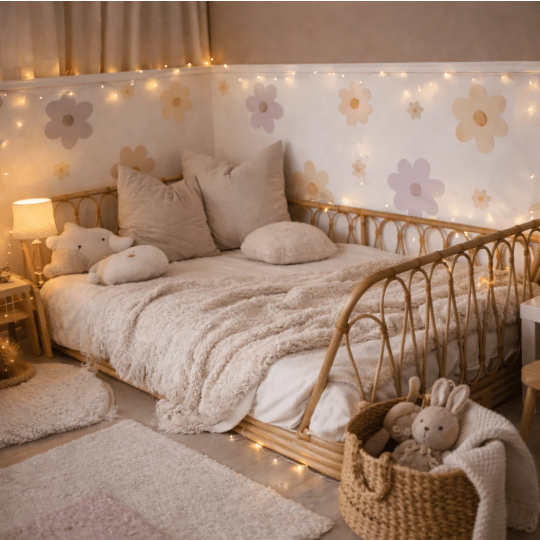
One concept that has gained strong attention in recent years is the montessori floor bed. It reflects a philosophy that prioritizes freedom of movement, safety at ground level, and child-led learning through environment interaction.
Unlike traditional cribs, this setup allows children to enter and exit their sleeping area independently. It supports natural development while reducing bedtime resistance in many households.
In this guide, we will explore everything you need to know about designing a calm, functional, and development-friendly sleep space that truly supports your child’s growth.
The Philosophy Behind Child-Led Sleep Environments

Child-centered design is based on a simple idea: children learn best when they are trusted to explore their surroundings safely. Instead of limiting movement, the environment is structured to support it.
A well-designed bedroom should feel calm, predictable, and accessible. When children can understand and navigate their space, they develop confidence in their abilities.
This philosophy is not about removing boundaries but about reshaping them in a gentle and respectful way. The goal is to create an environment where independence naturally grows.
A key part of this approach is allowing children to make small decisions. Whether it’s choosing a book or settling into bed, these moments build emotional awareness and responsibility.
Over time, this creates a strong foundation for self-discipline and comfort in routine.
Why Freedom of Movement Matters in Early Development
Movement plays a critical role in early childhood development. It is through movement that children understand balance, coordination, and spatial awareness.
When children are restricted for long periods, they miss opportunities to explore their physical environment. In contrast, safe freedom encourages learning through experience.
The sleep environment becomes part of this learning process. A child who can safely move in and out of bed begins to understand their own body limits and comfort needs.
This naturally leads to improved confidence. Children feel less dependent on constant adult assistance and more in control of their actions.
Over time, this independence extends beyond sleep into daily routines like dressing, cleaning, and organizing their belongings.
Emotional Benefits of a Calm Sleep Environment
A peaceful bedroom environment does more than support sleep—it shapes emotional well-being. Children who feel secure in their surroundings tend to experience less anxiety at bedtime.
Predictability is especially important. When the environment remains consistent, children develop a sense of stability and trust.
Soft lighting, minimal distractions, and familiar objects contribute to emotional calmness. These elements signal the brain that it is time to rest.
The montessori floor bed concept plays a key role here by removing the feeling of confinement. Instead of being placed in a restricted space, children experience openness with gentle boundaries.
This openness often reduces bedtime resistance and nighttime disturbances.
Core Principles of Designing a Child-Friendly Sleep Space
A successful child-centered bedroom follows a few important design principles that prioritize both safety and independence.
Simplicity is one of the most important elements. A clutter-free environment helps children focus on rest rather than stimulation. Too many visual distractions can interfere with sleep quality.
Accessibility ensures that everything the child needs is within reach. Books, soft toys, and lighting controls should be easy to access without adult assistance.
Safety is non-negotiable. Furniture should be stable, edges should be softened, and hazardous items must be removed or secured.
Consistency helps children understand their environment better. Frequent changes can create confusion and reduce emotional security.
When these principles are followed, the bedroom becomes a supportive learning space rather than just a place to sleep.
Safety Guidelines for Ground-Level Sleep Setups

Safety is often the biggest concern for parents exploring alternative sleep designs. However, when properly arranged, a ground-level sleep space can be very safe.
Start by ensuring the mattress is placed on a stable and clean surface. Avoid uneven flooring or unstable platforms.
Cover electrical outlets and secure any loose wires. Children are naturally curious, and reducing risks is essential.
Soft rugs or foam mats around the sleeping area can help cushion movement during sleep. This is especially helpful during early transition stages.
Regularly inspect the room for potential hazards such as sharp furniture corners or small objects that could be swallowed.
The goal is to create a safe exploration zone where children can move freely without risk.
Understanding the Role of the Montessori Floor Bed
The montessori floor bed is more than just a sleeping arrangement—it is a developmental tool that encourages autonomy and confidence.
It allows children to choose when to rest and when to wake naturally, within a safe environment. This autonomy helps them develop internal cues for sleep and wake cycles.
Parents often notice that children become more cooperative with bedtime routines when they feel less restricted. The sense of control reduces resistance.
This setup also supports physical coordination. Getting in and out of bed becomes a small but meaningful motor skill exercise.
Most importantly, it helps children associate sleep with comfort and freedom rather than limitation or enforcement.
Comparison of Sleep Environment Approaches
To better understand the differences between traditional sleep setups and modern child-centered designs, here is a simple comparison:
| Feature | Traditional Crib Setup | Child-Led Sleep Setup |
|---|---|---|
| Independence | Limited | High |
| Movement Freedom | Restricted | Fully Accessible |
| Safety Level | Enclosed Protection | Managed Open Safety |
| Sleep Control | Parent Directed | Child Influenced |
| Exploration | Minimal | Encouraged |
| Emotional Comfort | Variable | Consistently High |
This comparison shows how different design approaches influence a child’s independence and emotional development.
While traditional cribs offer containment, modern setups prioritize learning through safe exploration.
When to Transition to Independent Sleep Spaces
Timing plays an important role in transitioning to a more open sleep environment. There is no universal age, but many families begin during toddlerhood.
At this stage, children become more mobile and curious about their surroundings. They also begin expressing preferences and making small choices.
However, readiness is more important than age. Some children adjust quickly, while others need gradual exposure.
A slow transition often works best. Starting with daytime rest or supervised naps helps children become familiar with the new setup.
Patience during this stage is essential. Every child adapts at their own pace.
Creating a Balanced and Functional Bedroom Layout
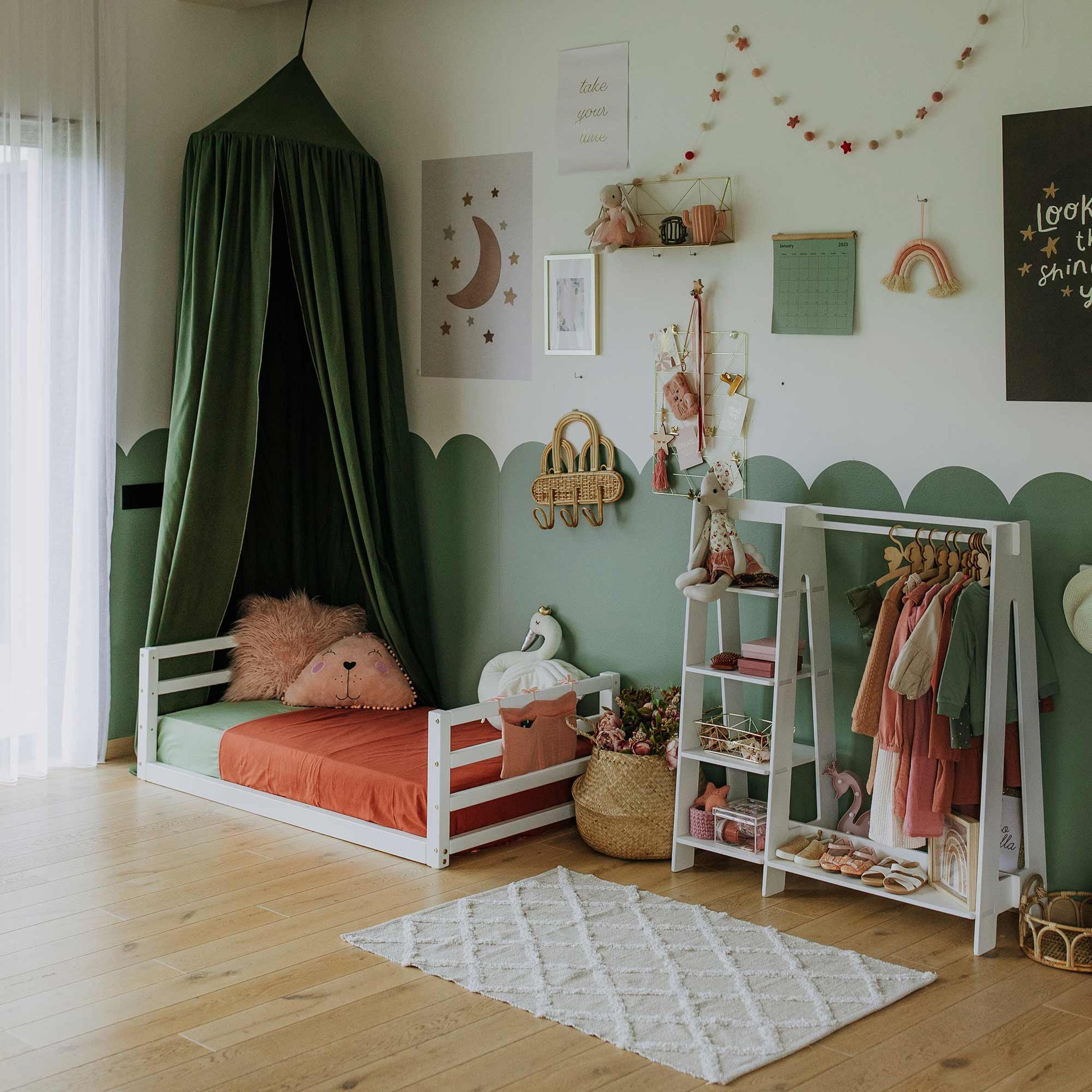
A child’s bedroom should be both functional and emotionally supportive. The sleeping area should feel calm and separate from active play zones.
Natural light helps regulate sleep cycles. During the day, exposure to daylight supports healthy circadian rhythms.
At night, soft lighting creates a soothing atmosphere. Avoid harsh or overly bright lights before bedtime.
Storage should be simple and reachable. Low shelves or open baskets allow children to access their belongings independently.
The montessori floor bed works best in a minimal environment where the child can clearly understand space boundaries.
Practical Setup Tips for Parents
Setting up a child-friendly sleep space does not require expensive furniture or complex design. It requires thoughtful arrangement and consistency.
Place the sleeping area in a quiet corner of the room. This naturally reduces distractions and supports rest.
Choose a firm and breathable mattress that supports comfort without being too soft or too rigid.
Keep the surrounding area open and uncluttered. This helps the child move safely without obstacles.
Use familiar objects such as a favorite blanket or toy to create emotional comfort.
Maintain a consistent bedtime routine to reinforce sleep habits.
Common Mistakes Parents Should Avoid
One common mistake is overdecorating the room. Too many visual elements can overstimulate the child and disrupt sleep.
Another mistake is rushing the transition. Children need time to adapt to new sleep environments.
Ignoring safety checks is also a risk. Even low-height setups require regular inspection.
Some parents also try to control the child’s movement too strictly, which defeats the purpose of independence-based design.
Balance is key—support freedom while maintaining gentle structure.
Understanding Long-Term Developmental Impact
The environment a child grows up in has a lasting impact on their emotional and cognitive development.
When children are given safe independence early on, they develop stronger problem-solving skills.
They also become more confident in making decisions, even in unfamiliar situations.
Sleep independence builds emotional resilience. Children learn that rest is a natural part of their daily cycle.
Over time, this creates healthier sleep habits that continue into later childhood and beyond.
FAQs
What makes this sleep setup different from a crib?
It allows free movement and encourages independence while maintaining safety at ground level.
Is it safe for active toddlers?
Yes, when properly childproofed, it supports safe exploration and movement.
How long does it take for a child to adjust?
Most children adjust within a few days to a few weeks depending on temperament.
Can I use any mattress?
A firm, breathable mattress is recommended for comfort and safety.
Does it help with sleep training?
Yes, many parents find it reduces resistance and supports natural sleep habits.
Conclusion: Building Confidence Through Thoughtful Design
Creating a child-friendly sleep environment is about more than aesthetics—it is about shaping confidence, independence, and emotional well-being.
A well-designed space allows children to explore safely while developing important life skills. It transforms bedtime into a calm and predictable experience.
The montessori floor bed approach supports this journey by encouraging freedom within a secure environment. It helps children understand their own rhythms and build trust in their surroundings.
By focusing on simplicity, safety, and consistency, parents can create a space that grows with their child.
In the end, the goal is not just better sleep—it is raising confident, independent, and emotionally secure individuals who feel safe in their world.