

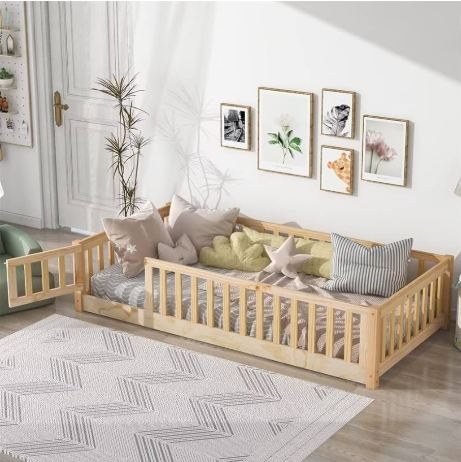
Introduction: A New Way of Thinking About Children’s Sleep
Modern parenting has shifted dramatically in the last decade. Parents are no longer focused only on traditional cribs or rigid sleep structures. Instead, they are exploring more flexible, child-friendly environments that encourage independence and comfort.
One of the most talked-about changes in early childhood sleep design is the use of a toddler floor bed. This simple yet powerful concept places a child’s sleeping surface close to the ground, allowing freedom of movement while still maintaining safety and structure. It has become especially popular among families who value Montessori-inspired living and minimalist home design.
At its core, this approach is not just about furniture—it is about trust, independence, and creating a space where children feel confident exploring their world.
Why Modern Families Are Moving Toward Low Sleep Designs
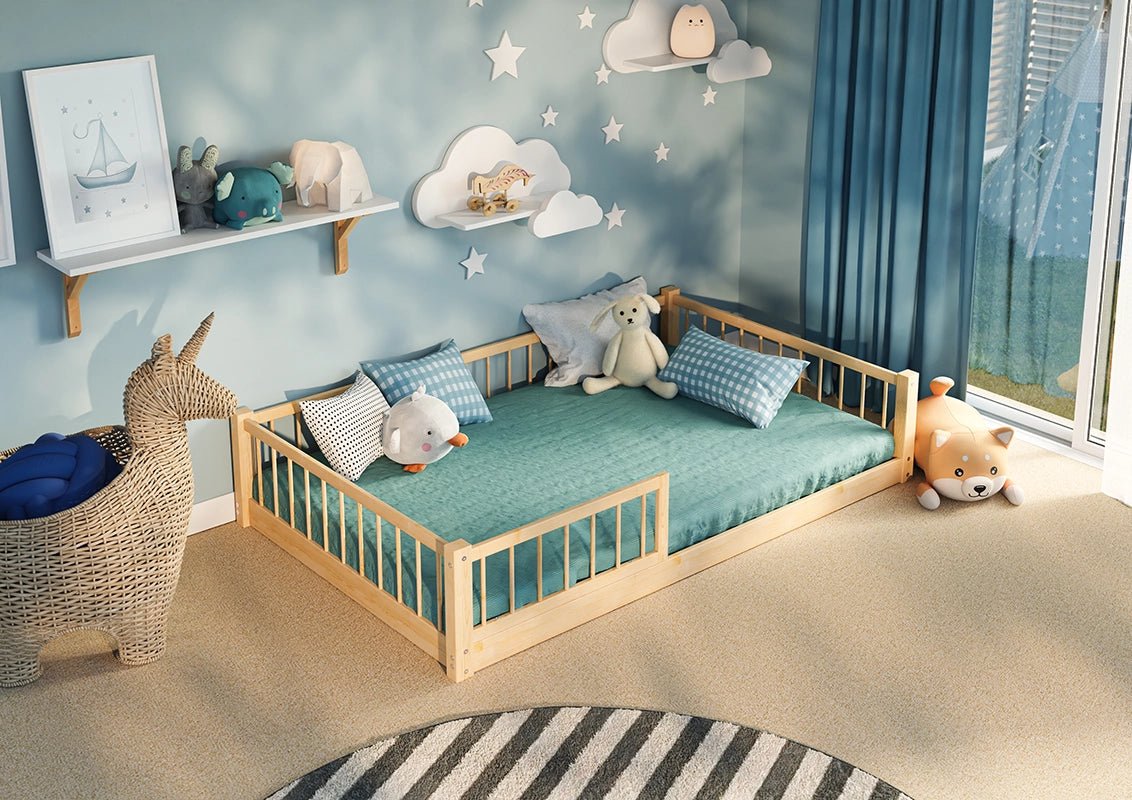
Parents today are more aware of how environment shapes behavior. Instead of confining children to enclosed spaces for long hours, many families prefer open layouts that allow exploration.
A major reason behind this shift is the belief that children learn better when they are given safe autonomy. When a child can move freely in their sleep space, they begin to understand boundaries naturally rather than through restriction.
The toddler floor bed supports this idea by removing unnecessary barriers while still offering a defined sleep zone. Parents appreciate that it simplifies bedtime routines, reduces power struggles, and makes nighttime transitions smoother.
Benefits That Go Beyond Just Sleep Comfort
When evaluating modern sleep setups, it becomes clear that benefits extend far beyond rest.
The first and most obvious advantage is safety. Since the sleeping surface is close to the ground, the risk of injury from falls is significantly reduced. This alone makes it appealing for parents of active toddlers.
Another major benefit is emotional comfort. Children often feel more secure when they are not enclosed by tall rails or confined spaces. This emotional ease often translates into better sleep quality and fewer nighttime disruptions.
Interestingly, families also report that bedtime becomes less stressful overall. Instead of lifting a child into a crib, parents can simply guide them into bed, read a story, and create a calm routine without physical strain or resistance.
Safety First: Creating a Secure Sleep Environment
Safety is always the top priority when designing any child-focused space. Even though low sleeping arrangements are generally safer in terms of fall risk, the surrounding environment must still be carefully prepared.
Soft flooring is essential. Many parents use padded rugs or foam mats to create a cushioned surface around the sleeping area. This ensures that even if a child rolls during sleep, there is minimal risk of injury.
Furniture placement is another critical factor. Heavy items such as shelves or dressers should always be anchored to the wall. Sharp corners should be covered, and electrical outlets must be secured.
Ventilation and cleanliness also play a role in safety. A well-ventilated room helps maintain healthy air quality, while regular cleaning prevents dust buildup near the sleep area.
The toddler floor bed works best when the entire room is treated as a safe exploration zone rather than just the bed itself.
Montessori Philosophy and Independent Sleep Habits
The Montessori approach emphasizes independence, self-directed learning, and respect for a child’s natural development. Sleep environments are an important extension of this philosophy.
Instead of restricting movement, Montessori-inspired rooms encourage children to make choices. They decide when to rest, when to wake, and how to interact with their surroundings.
In this context, a toddler floor bed becomes more than just a sleeping arrangement—it becomes a tool for development. It helps children build confidence in decision-making and teaches them responsibility for their personal space.
Over time, this can contribute to stronger emotional regulation and better daily routines, as children begin to understand the rhythm of rest and activity naturally.
Choosing the Right Setup for Your Child’s Needs

Selecting the right sleep arrangement involves thoughtful planning. Parents must consider not only aesthetics but also functionality and long-term usability.
Room size is an important factor. A spacious room allows for better movement and safer exploration, while smaller rooms require more strategic layout planning.
Mattress quality also plays a key role. A firm, breathable mattress supports healthy spinal development and ensures comfort throughout the night.
Material selection should never be overlooked. Non-toxic, hypoallergenic materials are always preferable, especially in environments where children spend many hours.
Ease of maintenance is another practical concern. Since the sleeping area is close to the ground, regular cleaning is essential to maintain hygiene.
A well-planned toddler floor bed setup balances all these elements to create a safe and nurturing environment.
Comparison Table: Sleep Setup Options for Young Children
| Feature | Low Floor Setup | Traditional Crib | Junior Bed |
|---|---|---|---|
| Safety Level | High due to low height | High with enclosure | Moderate |
| Independence | Very high | Limited | Moderate |
| Transition Ease | Very smooth | Requires adjustment | Moderate |
| Cost Efficiency | Generally affordable | Mid-range | Mid-range |
| Longevity | Long-term adaptable | Short-term use | Medium-term |
| Mobility Freedom | Full freedom | Restricted | Partial |
This comparison highlights why many parents prefer open sleep systems during early childhood development. The flexibility and adaptability of the setup make it a long-term investment rather than a temporary solution.
A toddler floor bed often stands out in this comparison due to its simplicity and ease of integration into different room styles.
Design Inspiration for a Calm and Cozy Room
Creating a peaceful sleep environment is about more than just functionality. The emotional tone of the room matters just as much.
Soft, neutral colors such as beige, light gray, and pastel tones help create a calming atmosphere. Natural materials like wood add warmth and grounding energy to the space.
Lighting is equally important. Warm, dim lighting helps signal bedtime and encourages relaxation. Many parents use small bedside lamps or fairy lights to create a soothing nighttime glow.
Minimalism is key. Too many toys or distractions can interfere with sleep routines. A clean and organized environment helps children associate the space with rest and calm behavior.
Expert Insight Highlight
Children thrive in environments where they can safely make independent choices. Early autonomy in sleep routines can positively influence confidence, emotional balance, and adaptability later in life.
Psychological Growth and Emotional Development
Sleep environments play a subtle but powerful role in shaping a child’s emotional world.
When children are given freedom within safe boundaries, they develop a sense of control over their surroundings. This reduces anxiety and builds trust in their environment.
A toddler floor bed contributes to this by removing barriers that often create frustration or dependence. Instead of relying on adults to access their sleep space, children learn to manage it themselves.
This independence fosters self-esteem and helps children transition more smoothly into later developmental stages, such as preschool and early schooling.
Practical Maintenance and Daily Care
Maintaining a clean and organized sleep environment is essential for long-term comfort.
Regular vacuuming of the surrounding floor area helps reduce dust and allergens. Bedding should be washed frequently to maintain hygiene and freshness.
Parents should also periodically check the surrounding room for hazards or clutter. Keeping the space simple ensures both safety and ease of movement.
Over time, these small habits contribute to a healthier and more organized living environment for the child.
Frequently Asked Questions (FAQs)
Is a low floor sleeping setup safe for toddlers?
Yes, it is generally safe when the room is properly childproofed and kept free of hazards.
What is the best age to start this sleep setup?
Most children transition between 18 months and 3 years, depending on readiness.
Do children sleep better without crib rails?
Many children do, as open space can reduce feelings of restriction and improve comfort.
How do I stop my child from leaving bed at night?
Consistency in bedtime routines and gentle reinforcement usually helps establish boundaries.
Is special furniture required?
Not necessarily. A firm mattress and safe flooring are often sufficient.
Conclusion: Building Confidence Through Sleep Design
Choosing the right sleep environment for a child is one of the most meaningful decisions parents can make. It affects not only rest but also emotional development, independence, and daily behavior.
A thoughtfully designed sleep space encourages freedom while maintaining safety, allowing children to grow in confidence and self-awareness. When properly set up, a well-structured floor-based sleeping arrangement becomes more than just a bed—it becomes a foundation for early development and comfort.
A toddler floor bed represents this balance beautifully, offering simplicity, safety, and independence all in one approach. By focusing on thoughtful design, consistent routines, and a calm environment, parents can create a space where children truly thrive.