

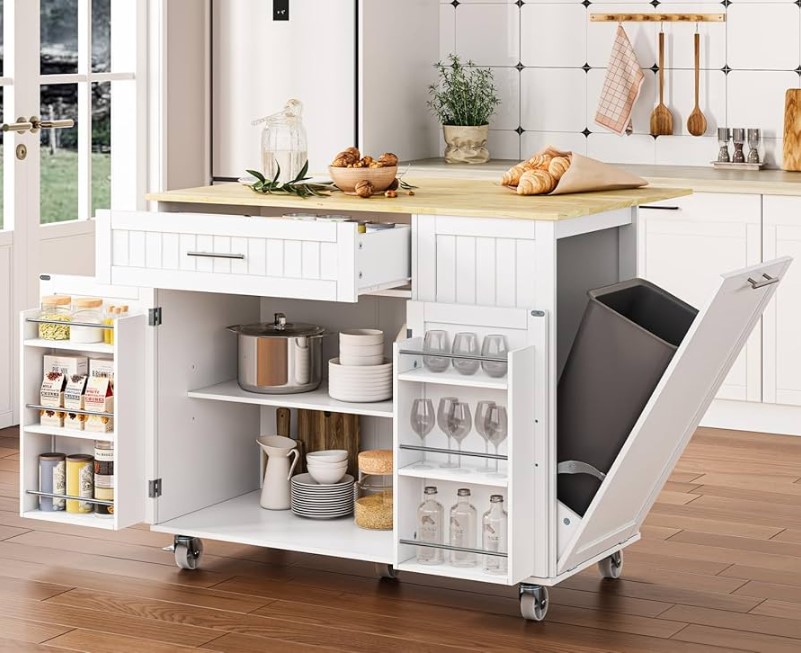
Modern kitchens are no longer just places for preparing meals. They have evolved into multifunctional spaces where families gather, work, socialize, and create memorable experiences. As homeowners continue to seek practical solutions that maximize space without compromising style, the popularity of the rolling kitchen island has grown significantly. This versatile piece of furniture offers mobility, additional storage, and extra countertop space, making it a valuable addition to kitchens of all sizes.
The growing trend toward flexible home design has increased demand for furniture that can adapt to changing needs. Whether you live in a compact apartment, a suburban home, or a spacious modern residence, a rolling kitchen island provides convenience that traditional fixed islands often cannot match. Its movable design allows homeowners to reposition it whenever needed, creating a more dynamic and efficient kitchen environment.
In today’s fast-paced lifestyle, functionality matters as much as aesthetics. A rolling island combines both, offering practical solutions while enhancing the visual appeal of a kitchen. Understanding its features, benefits, and ideal applications can help homeowners make informed decisions when upgrading their cooking space.
Understanding the Concept of a Rolling Kitchen Island
A rolling kitchen island is a movable kitchen workstation equipped with wheels or casters. Unlike permanent kitchen islands that are fixed to the floor, these portable units can be easily relocated within the kitchen or even moved to adjacent rooms when additional workspace is needed.
The concept emerged from the need for flexible kitchen furniture that could accommodate different layouts and household requirements. As urban living spaces became smaller and open-concept floor plans gained popularity, homeowners sought practical solutions that offered versatility without requiring expensive renovations.
Today’s rolling kitchen islands come in various sizes, materials, and styles. Some focus primarily on storage, while others provide expanded countertop surfaces, built-in shelving, drawers, or seating options. Their adaptability makes them suitable for a wide range of kitchen designs and lifestyles.
Why Rolling Kitchen Islands Are Popular Today
The current home design landscape emphasizes flexibility and efficiency. Homeowners increasingly prioritize furniture that can serve multiple functions while adapting to changing needs. This shift has contributed significantly to the rising popularity of the rolling kitchen island.
Remote work trends have also influenced kitchen design. Many people now use their kitchens as temporary workspaces, making movable furniture more attractive. A rolling island can function as a food preparation station during cooking hours and transform into a workspace or serving station when needed.
Additionally, rising housing costs have encouraged homeowners to maximize every square foot of available space. Instead of investing in major kitchen remodels, many choose portable solutions that deliver functionality at a fraction of the cost.
Key Features to Look For
When selecting a rolling island, understanding the most important features can help ensure long-term satisfaction and usability.
Mobility and Wheel Quality
The wheels are among the most critical components. High-quality casters allow smooth movement across different flooring surfaces while providing locking mechanisms for stability. Durable wheels enhance safety and prevent unwanted movement during food preparation.
Storage Capacity
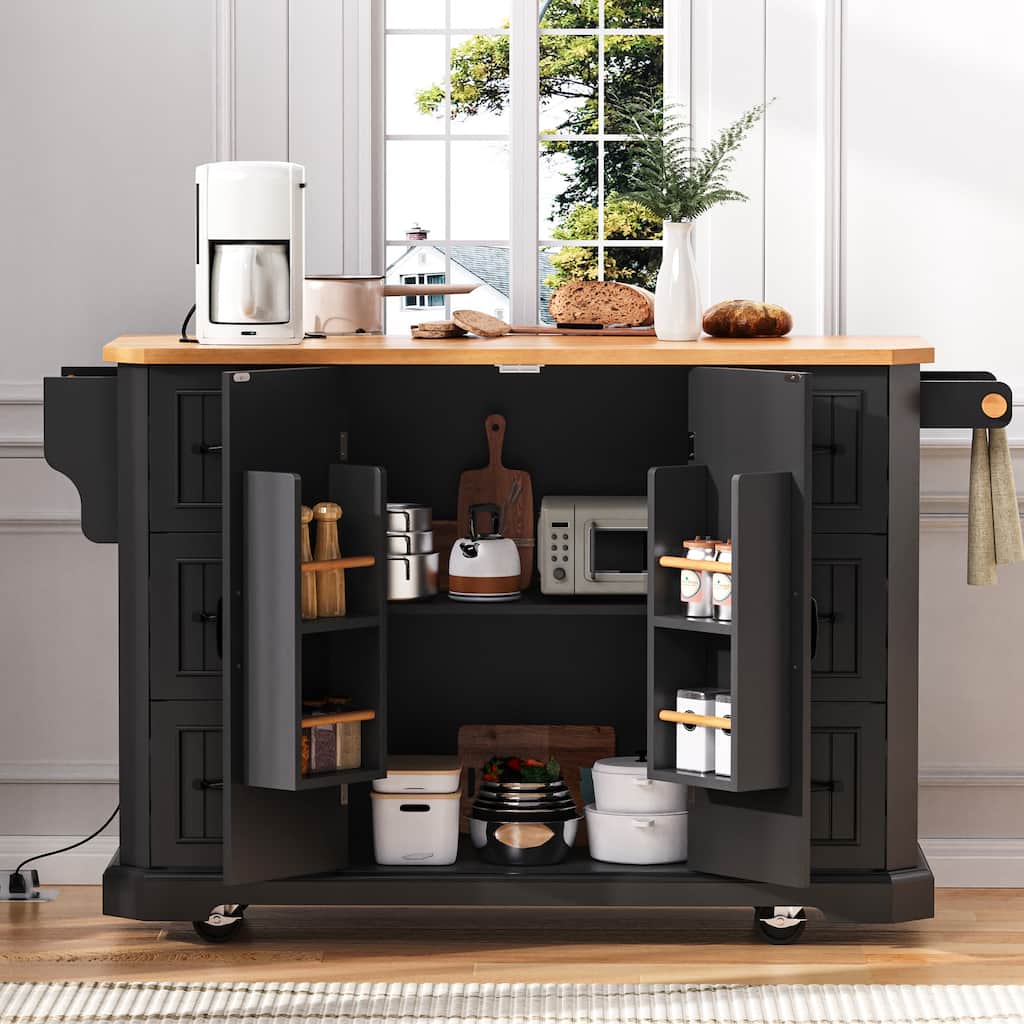
Storage is often a major reason homeowners invest in a rolling island. Drawers, cabinets, shelves, and towel racks can significantly increase kitchen organization. The ideal storage configuration depends on individual cooking habits and available space.
Countertop Material
The countertop serves as the primary work surface. Common materials include wood, stainless steel, granite, and composite materials. Each option offers unique advantages in terms of durability, maintenance, and visual appeal.
Design Compatibility
A rolling island should complement the overall kitchen aesthetic. Contemporary kitchens may benefit from sleek metal finishes, while traditional spaces often pair well with natural wood designs.

Benefits of Adding a Rolling Kitchen Island
One of the greatest advantages of a rolling kitchen island is its ability to enhance kitchen functionality without requiring structural changes. Homeowners can instantly create additional workspace for meal preparation, baking, or serving guests.
The mobility factor provides exceptional convenience. During large gatherings or holiday meals, the island can be positioned where it is most useful. Afterward, it can be moved aside to create more floor space. This adaptability is particularly beneficial in smaller homes where every inch matters.
Storage improvements are another major benefit. Many kitchens suffer from limited cabinet space, leading to cluttered countertops. Rolling islands help organize cookware, utensils, and pantry items, creating a cleaner and more efficient cooking environment.
Another advantage is affordability. Compared to installing a permanent island, purchasing a portable option is typically more budget-friendly. Homeowners can enjoy many of the same benefits without undertaking expensive construction projects.
Comparing Rolling and Fixed Kitchen Islands
The decision between a rolling island and a fixed island depends on individual needs, available space, and lifestyle preferences.
| Feature | Rolling Kitchen Island | Fixed Kitchen Island |
|---|---|---|
| Mobility | Highly portable | Permanent placement |
| Installation | Minimal setup | Professional installation often required |
| Cost | Generally lower | Usually higher |
| Flexibility | Excellent | Limited |
| Space Adaptability | Ideal for small kitchens | Better for larger kitchens |
| Remodeling Requirement | None | Often required |
While fixed islands provide a built-in appearance and may support larger countertops, a rolling kitchen island offers unmatched flexibility that appeals to many modern homeowners.
Best Uses for a Rolling Kitchen Island
The versatility of these islands allows them to serve multiple purposes beyond food preparation.
- Additional meal preparation station
- Mobile serving cart during gatherings
- Temporary dining area
- Home office workspace
- Extra storage solution
Many families appreciate having a multifunctional piece that can adapt throughout the day. For example, it may serve as a breakfast station in the morning, a cooking workspace in the afternoon, and a serving table during evening gatherings.
Choosing the Right Size
Selecting the correct size is essential for maintaining comfortable movement throughout the kitchen. An oversized island can make a small kitchen feel cramped, while a unit that is too small may not provide meaningful functionality.
Before purchasing, homeowners should carefully measure available floor space and consider traffic flow patterns. Ideally, there should be sufficient clearance around the island to allow cabinet doors and appliances to open comfortably.
For compact kitchens, narrower models often provide the best balance between functionality and accessibility. Larger kitchens can accommodate wider islands with expanded storage and seating features.
Materials and Design Trends in 2026
Kitchen design trends continue evolving, with sustainability and practicality influencing purchasing decisions. In 2026, natural wood finishes remain highly desirable due to their timeless appearance and environmental appeal.
Metal-framed islands with mixed-material countertops are also gaining popularity. These designs blend industrial aesthetics with contemporary functionality, creating visually striking kitchen focal points.
Some emerging trends include:
- Sustainable and eco-friendly materials
- Multi-functional storage compartments
- Integrated charging stations
- Minimalist designs with clean lines
- Neutral color palettes
These trends reflect homeowners’ growing interest in furniture that combines style, efficiency, and environmental responsibility.
Maintenance and Care
Proper maintenance helps preserve the appearance and functionality of a rolling kitchen island for years. Cleaning requirements vary depending on the countertop material, but regular wiping with appropriate cleaning products helps prevent staining and wear.
Wheel maintenance is equally important. Casters should be inspected periodically to ensure smooth movement and secure locking performance. Dust and debris accumulation can affect mobility over time.
Wood surfaces may benefit from occasional conditioning to maintain their natural beauty, while stainless steel countertops require cleaning products specifically designed to preserve their finish and prevent scratches.
Consistent maintenance not only extends product lifespan but also helps maintain a hygienic food preparation environment.
How a Rolling Kitchen Island Improves Small Kitchens
Small kitchens often face challenges related to storage limitations and restricted workspace. A rolling kitchen island addresses both issues while maintaining flexibility. Because it can be moved when necessary, homeowners are not forced to sacrifice valuable floor space permanently.
In apartment living, portability becomes especially beneficial. Residents can reposition the island depending on daily activities, creating a more adaptable living environment. During meal preparation, it serves as a workstation. When entertaining guests, it becomes a serving area or gathering spot.
The ability to customize placement makes these islands one of the most practical furniture investments for compact homes.
Future Outlook for Rolling Kitchen Islands
As homes continue to emphasize versatility and efficient use of space, demand for portable kitchen solutions is expected to grow. Manufacturers are increasingly incorporating smart features, sustainable materials, and innovative storage systems into their designs.
Future models may include integrated technology such as wireless charging surfaces, modular storage options, and enhanced mobility systems. These innovations will likely strengthen the position of the rolling kitchen island as a staple of modern kitchen design.
Consumers are also becoming more selective about furniture purchases, favoring products that offer long-term value and adaptability. Rolling islands align perfectly with these preferences, making them a strong choice for future-focused homeowners.
FAQs
What is a rolling kitchen island?
A rolling kitchen island is a movable kitchen workstation equipped with wheels or casters. It provides additional workspace, storage, and flexibility while allowing users to reposition it whenever needed.
Is a rolling kitchen island suitable for small kitchens?
Yes. A rolling kitchen island is particularly useful in smaller kitchens because it can be moved when extra floor space is required. It offers functionality without permanently occupying valuable room.
How much storage can a rolling kitchen island provide?
Storage capacity varies by model. Many units include drawers, shelves, cabinets, and racks that can significantly increase kitchen organization and reduce countertop clutter.
Are rolling kitchen islands durable?
High-quality models are designed for long-term use and often feature durable materials such as hardwood, stainless steel, or engineered wood. Proper maintenance further extends their lifespan.
Can a rolling kitchen island replace a permanent island?
For many homeowners, yes. While permanent islands may offer larger work surfaces, rolling islands provide flexibility and affordability that make them an excellent alternative.
What countertop material is best for a rolling kitchen island?
The best material depends on personal preferences and intended use. Wood offers warmth and classic appeal, while stainless steel provides durability and easy maintenance.
Conclusion
The rolling kitchen island has become one of the most practical and versatile additions to modern kitchens. Its ability to provide extra workspace, increased storage, and unmatched mobility makes it an attractive option for homeowners seeking flexible solutions. Whether used in a compact apartment or a spacious family home, this adaptable piece of furniture enhances efficiency while complementing contemporary design trends.
Read More:-Kitchen Island Table Ideas: Design, Benefits, and Buying Guide