

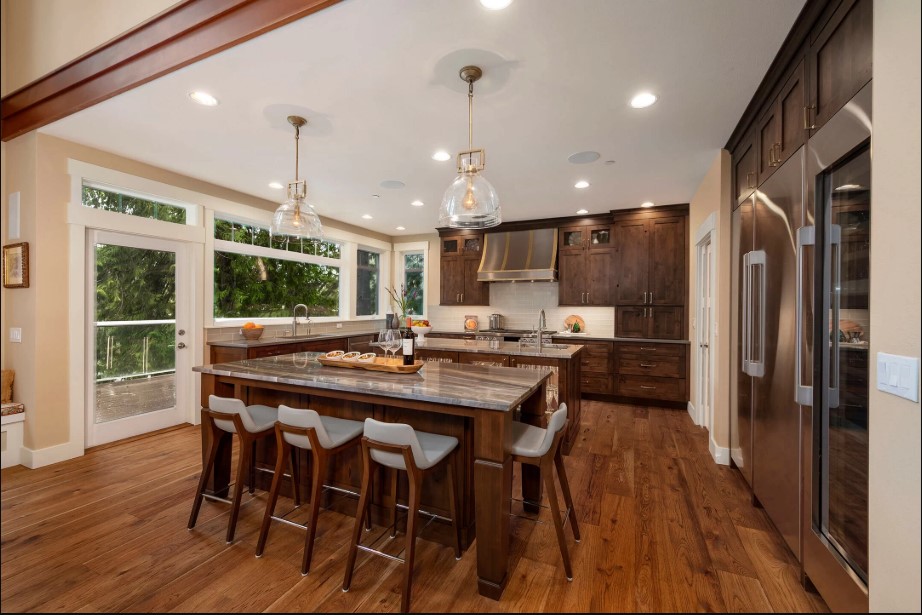
The modern kitchen has evolved far beyond a simple cooking space. Today, it serves as a gathering area for family meals, remote work, entertaining guests, and everyday conversations. As a result, homeowners are increasingly looking for furniture and layouts that maximize both functionality and style. One feature that has become especially popular is the kitchen island table.
A kitchen island table combines the practicality of a traditional kitchen island with the comfort and usability of a dining table. Instead of separating food preparation and dining areas, this versatile solution brings them together in one cohesive design. Whether you have a large open-concept kitchen or a compact space that requires smart planning, a kitchen island table can transform the way your kitchen functions.
With changing lifestyle trends in 2026, homeowners are prioritizing flexible layouts, multi-purpose furniture, and social cooking experiences. A well-designed kitchen island table supports these preferences by creating a central hub that encourages interaction while improving workflow and storage options.
What Is a Kitchen Island Table?
A kitchen island table is a hybrid furniture piece that combines the features of a kitchen island and a dining table. Unlike a standard island that is primarily used for meal preparation and storage, this design includes a seating area suitable for dining, working, or socializing.
In many contemporary homes, the kitchen island table acts as the focal point of the room. It provides additional countertop space for cooking while also serving as an informal dining area. Some designs feature an attached table section, while others maintain a uniform countertop height that accommodates both food preparation and seating.
The growing popularity of open-floor-plan homes has made this concept particularly attractive because it helps create a seamless connection between the kitchen and living spaces.
Why Kitchen Island Tables Are Popular Today
The demand for versatile home interiors has increased significantly in recent years. Families now spend more time at home, and kitchens often serve multiple purposes throughout the day. This shift has contributed to the rising popularity of the kitchen island table.
A major advantage is efficiency. Instead of dedicating separate areas to dining and cooking, homeowners can utilize a single space for multiple activities. This approach not only saves room but also enhances interaction among family members. Parents can prepare meals while helping children with homework, and guests can comfortably sit nearby during social gatherings.
Additionally, kitchen island tables align perfectly with current design trends that emphasize minimalism, functionality, and open spaces. Their ability to blend aesthetics with practicality makes them a valuable addition to both modern and traditional homes.
Key Benefits of a Kitchen Island Table
A thoughtfully designed kitchen island table offers several advantages that go beyond appearance.
- Provides extra workspace for meal preparation.
- Creates additional seating without requiring a separate dining room.
- Enhances social interaction during cooking and entertaining.
- Improves overall kitchen functionality and organization.
- Increases the visual appeal and value of the home.
These benefits make the kitchen island table a practical investment for homeowners looking to maximize the usability of their kitchen space.
Popular Types of Kitchen Island Tables
Fixed Kitchen Island Tables
Fixed designs are permanently installed and typically become an integral part of the kitchen layout. They offer maximum stability and often include built-in storage solutions such as cabinets, drawers, and shelving. These islands are ideal for homeowners planning a long-term kitchen renovation.
Because they are customized to fit the available space, fixed kitchen island tables can significantly improve workflow and create a polished, cohesive appearance.
Movable Kitchen Island Tables
Movable or portable versions are gaining popularity among apartment dwellers and homeowners with smaller kitchens. Equipped with wheels or lightweight construction, these units can be repositioned as needed.
A movable kitchen island table provides flexibility without requiring major remodeling. It is particularly useful for people who enjoy rearranging their living spaces or need temporary workspace expansion.
Multi-Level Island Tables
Multi-level designs feature separate surfaces at different heights. One level may be used for food preparation, while the other serves as a dining area.
This arrangement helps distinguish functional zones while maintaining a unified appearance. It is especially beneficial in busy households where multiple activities occur simultaneously.
Extended Dining Island Tables
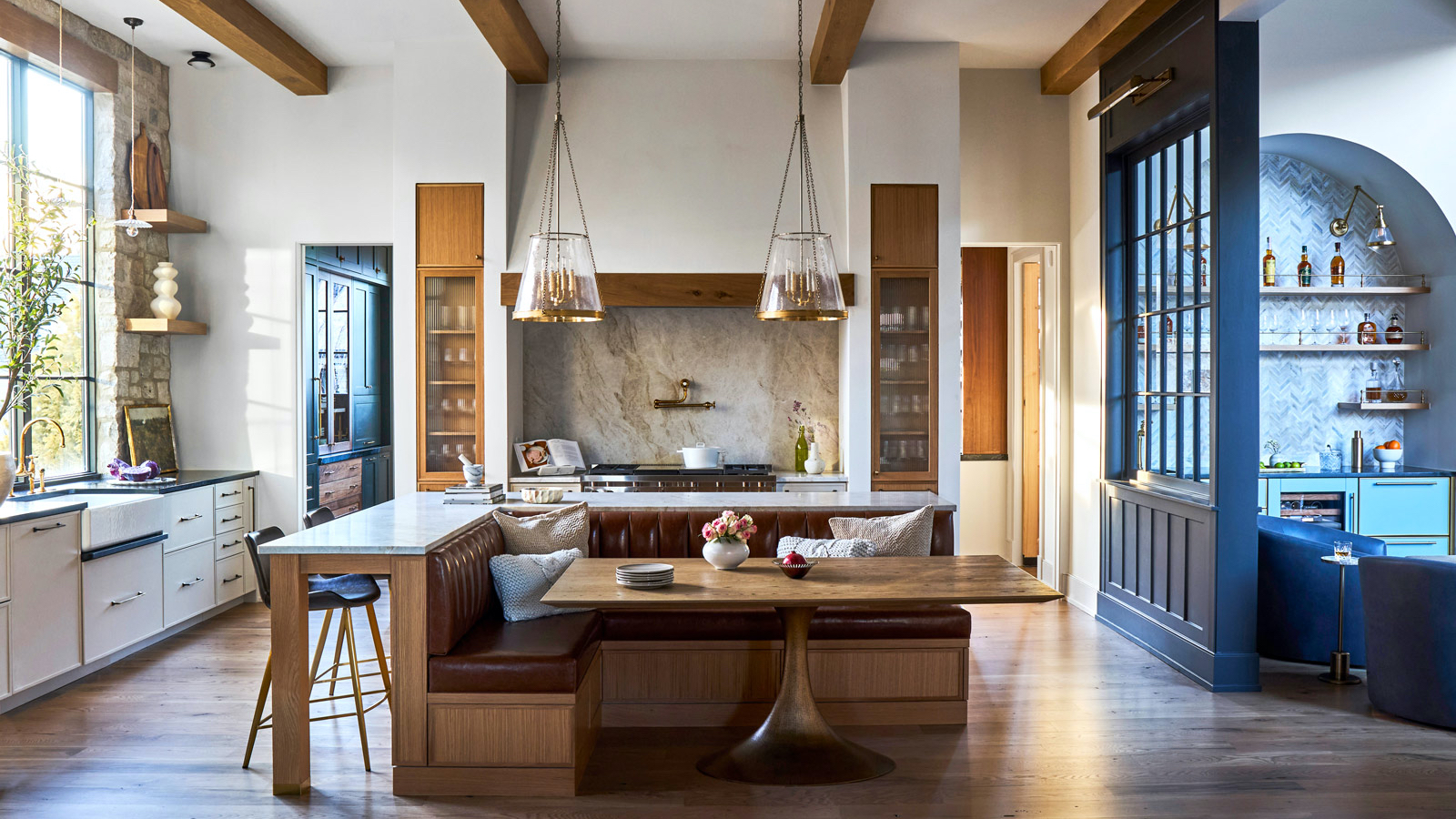
These models feature a countertop that extends beyond the main island structure to create a dedicated dining section. The extended area can comfortably accommodate multiple chairs and often resembles a traditional dining table while remaining connected to the island.
This design is ideal for families who want a casual yet stylish dining solution within the kitchen itself.
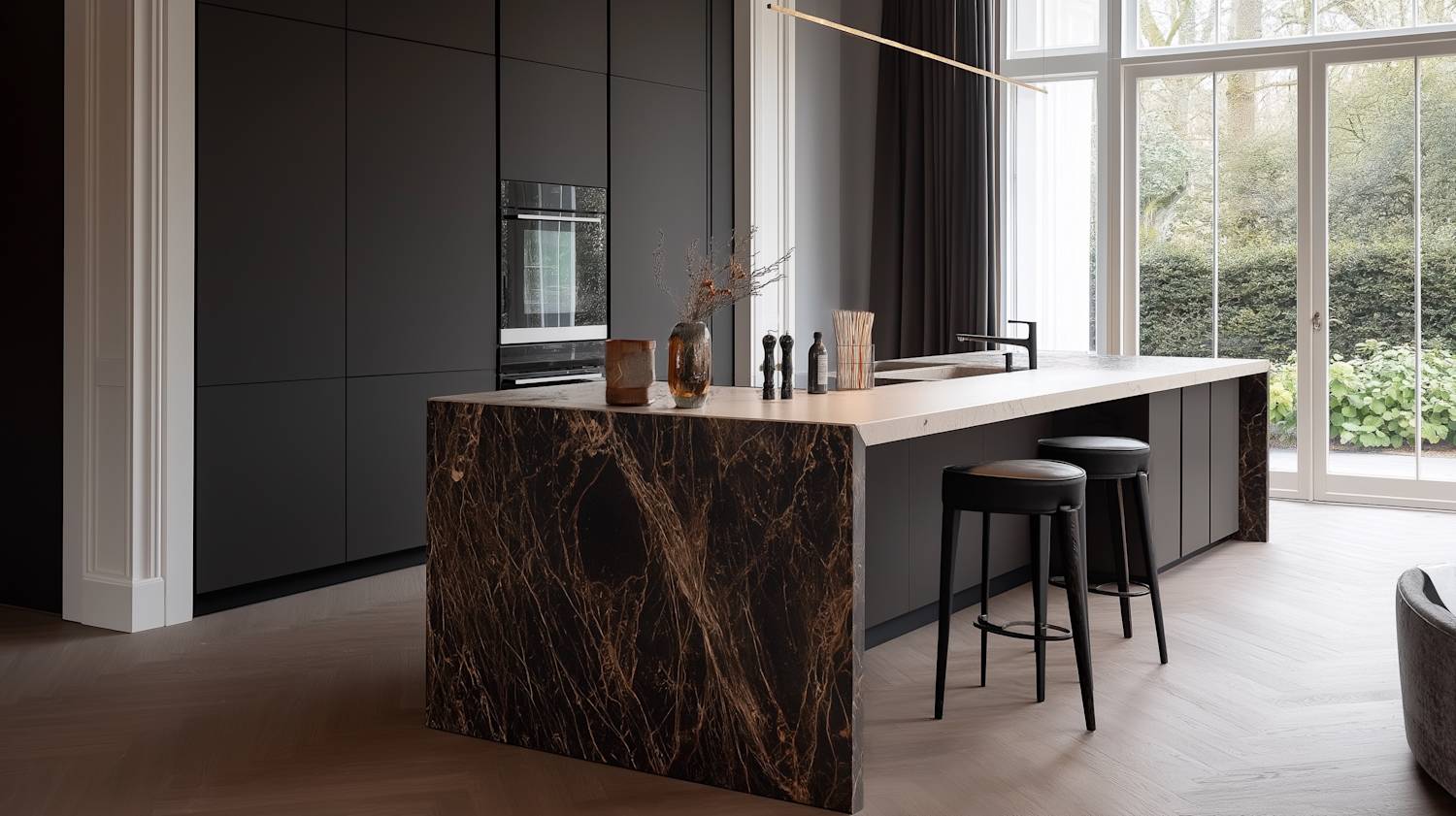
Choosing the Right Kitchen Island Table Size
Selecting the appropriate size is one of the most important decisions when planning a kitchen island table. A unit that is too large can obstruct movement, while one that is too small may fail to meet functional requirements.
Designers generally recommend maintaining adequate clearance around the island to ensure comfortable traffic flow. The ideal dimensions depend on factors such as kitchen size, household needs, and intended usage.
| Kitchen Size | Recommended Island Length | Seating Capacity |
|---|---|---|
| Small Kitchen | 4–5 feet | 2–3 people |
| Medium Kitchen | 5–7 feet | 3–5 people |
| Large Kitchen | 7–10 feet | 5–8 people |
| Open Concept Space | 8–12 feet | 6–10 people |
Proper planning ensures that the kitchen island table enhances functionality without making the space feel crowded.
Best Materials for Kitchen Island Tables
Material selection influences durability, maintenance requirements, and overall appearance. Modern homeowners have access to a wide range of options that suit different budgets and design preferences.
Wood remains a timeless choice due to its warmth and versatility. Solid oak, maple, and walnut are particularly popular for creating inviting kitchen environments. Wood surfaces work well in farmhouse, rustic, and transitional designs.
Quartz continues to dominate contemporary kitchens because of its durability, stain resistance, and low maintenance. Homeowners seeking a sleek and sophisticated appearance often choose quartz countertops for their kitchen island table.
Natural stone materials such as granite and marble provide a luxurious aesthetic. While marble requires more maintenance, it delivers a premium appearance that many homeowners find appealing. Granite offers exceptional durability and long-term value.
Metal and concrete surfaces have also become increasingly popular in industrial-inspired kitchens. These materials create bold visual statements and pair well with modern architectural styles.
Design Trends for Kitchen Island Tables in 2026
Current kitchen design trends focus heavily on functionality and personalization. Homeowners want spaces that reflect their lifestyles while maintaining visual appeal.
One major trend is the use of mixed materials. Designers frequently combine wood, stone, and metal to create unique kitchen island table designs that add texture and character to the room. This approach helps prevent kitchens from appearing overly uniform.
Another emerging trend involves integrated technology. Many new island tables include built-in charging stations, wireless charging pads, smart lighting, and concealed power outlets. These features support modern work-from-home and entertainment needs.
Bold color choices are also becoming more common. While white kitchens remain popular, deep green, navy blue, charcoal, and warm earth tones are increasingly used for island cabinetry. These colors create visual contrast and make the island a focal point.
Sustainability continues to influence purchasing decisions as well. Eco-friendly materials, reclaimed wood, and responsibly sourced products are gaining traction among environmentally conscious homeowners.
How to Style a Kitchen Island Table
Styling plays a significant role in maximizing the visual impact of a kitchen island table. Decorative choices should enhance functionality without creating clutter.
A carefully selected centerpiece can add personality while maintaining practicality. Fresh flowers, fruit bowls, or decorative trays are popular options that contribute to a welcoming atmosphere.
Lighting is equally important. Pendant lights positioned above the island help define the space while providing essential task illumination. Oversized fixtures can create a dramatic focal point, whereas minimalist designs support contemporary aesthetics.
For seating, comfort should be prioritized alongside style. Upholstered stools, wooden chairs, or metal bar stools can complement the island’s design while ensuring a pleasant user experience.
Essential Styling Tips
- Choose pendant lighting proportional to the island size.
- Use decorative items sparingly to avoid clutter.
- Coordinate seating materials with kitchen finishes.
- Add natural elements such as plants or fresh flowers.
- Incorporate practical accessories that support daily use.
These small design decisions can significantly elevate the appearance and usability of the space.
Common Mistakes to Avoid
Many homeowners focus heavily on aesthetics and overlook practical considerations when designing a kitchen island table. One common mistake is selecting an oversized island that restricts movement throughout the kitchen.
Another issue involves insufficient seating space. Guests and family members should have adequate legroom and comfortable seating arrangements. Crowded seating can reduce the overall functionality of the island.
Poor lighting placement is another frequent challenge. Even a beautifully designed kitchen island table can feel incomplete if task lighting is inadequate. Proper illumination enhances both safety and visual appeal.
Ignoring storage needs can also lead to missed opportunities. Built-in shelves, drawers, and cabinets help maximize functionality and keep the kitchen organized.
FAQs
What is the difference between a kitchen island and a kitchen island table?
A traditional kitchen island primarily provides workspace and storage, while a kitchen island table incorporates a dedicated seating or dining area. The latter combines food preparation and dining functions within a single structure, making it more versatile for modern lifestyles.
Is a kitchen island table suitable for small kitchens?
Yes. Compact and movable models are specifically designed for smaller spaces. When properly sized, a kitchen island table can improve functionality without making the kitchen feel crowded. Careful planning and measurement are essential.
What material is best for a kitchen island table?
The best material depends on your needs and budget. Quartz is popular for its durability and low maintenance, while wood offers warmth and character. Granite and marble provide luxury appeal, and metal or concrete work well in modern industrial designs.
How many people can sit at a kitchen island table?
Seating capacity depends on the island’s dimensions. Smaller models may accommodate two or three people, while larger designs can comfortably seat six to ten individuals. Adequate spacing is important for comfort.
Does a kitchen island table increase home value?
In many cases, yes. Buyers often view a well-designed kitchen island table as a desirable feature because it enhances functionality, storage, and overall aesthetics. Modern kitchens with flexible layouts are particularly attractive in today’s real estate market.
Can a kitchen island table replace a dining table?
For many households, it can. Families with limited space often use a kitchen island table as their primary dining area. However, larger families or those who frequently host formal gatherings may still prefer a separate dining table.
Conclusion
A kitchen island table has become one of the most valuable additions to modern homes, offering a perfect balance between style, practicality, and versatility. As kitchens continue to serve as multi-functional spaces for cooking, dining, working, and entertaining, this innovative design solution meets the demands of contemporary living.
Read More:-Kitchen Island on Wheels: The Smart Solution for Flexible Kitchens