

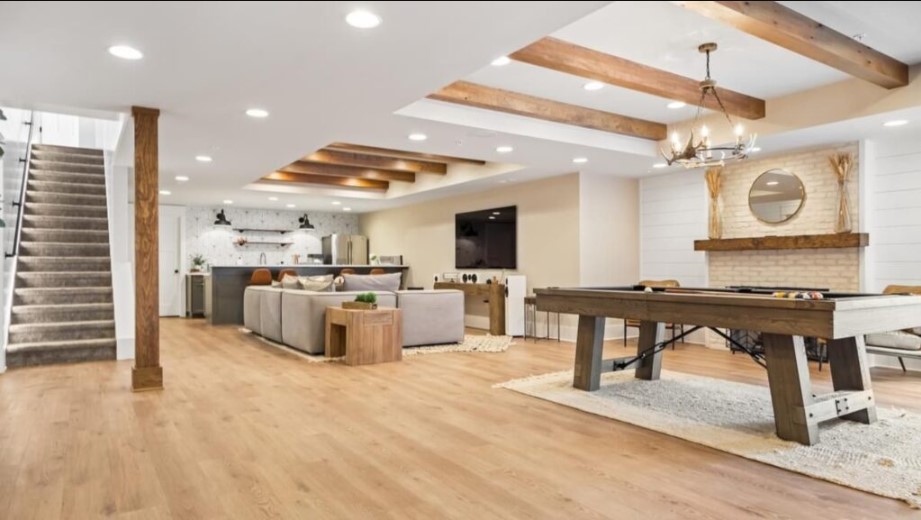
Designing a basement can significantly increase the usable space and value of a home. Whether you want an entertainment area, home office, guest suite, or family room, understanding how to design a basement finishing project properly is essential. A well-finished basement transforms an underutilized area into a comfortable and functional living space. The process requires careful planning, attention to moisture control, lighting considerations, and smart layout choices.
Many homeowners overlook the importance of a detailed design strategy before starting construction. Without a proper plan, a basement can feel dark, cramped, and disconnected from the rest of the home. By focusing on functionality, aesthetics, and long-term durability, you can create a basement that serves your family’s needs for years to come. This guide explains every important step involved in how to design a basement finishing project successfully.
Understanding Your Basement’s Purpose
The first step in any basement renovation is determining how the space will be used. Every design decision should align with the intended function of the room. Some homeowners prefer a cozy family room where everyone can gather, while others need a dedicated workspace or fitness area. Defining the purpose early helps establish the layout, furniture requirements, electrical needs, and storage solutions.
When planning your basement, think about both current and future needs. A versatile design can adapt as your family’s lifestyle changes. For example, a playroom today may become a study area or guest room in the future. Understanding the primary function also helps determine zoning within the basement. Larger basements can accommodate multiple purposes by dividing the area into separate sections.
Knowing how to design a basement finishing project begins with identifying the activities that will take place there. This foundation ensures every design choice contributes to creating a practical and enjoyable environment.
Evaluating Basement Conditions
Before construction begins, inspect the basement carefully. Moisture issues, structural concerns, and inadequate insulation can affect the success of the project. Water leaks and humidity problems should be addressed before any finishing materials are installed. Ignoring these issues can lead to mold growth, damaged flooring, and costly repairs.
A professional inspection may be beneficial if the basement has a history of moisture problems. Evaluate walls, floors, windows, and foundation elements. Ensure proper drainage around the home’s exterior to prevent future water intrusion. Ventilation systems should also be reviewed to maintain healthy indoor air quality.
The condition assessment stage is critical when learning how to design a basement finishing project. Investing time in preparation creates a strong foundation for a durable and comfortable living space.
Creating an Effective Basement Layout
An organized layout maximizes available square footage and improves functionality. Start by mapping out the location of support columns, mechanical systems, plumbing lines, and electrical panels. These elements often influence room placement and traffic flow.
Consider maintaining open areas whenever possible. Open-concept designs make basements feel larger and brighter. At the same time, strategically placed walls can create privacy for bedrooms, offices, or media rooms. Traffic patterns should remain smooth, allowing easy movement between different zones.
Important Layout Considerations
- Define clear functional areas.
- Allow sufficient storage space.
- Keep utility access available.
- Create logical traffic flow.
- Plan furniture placement early.
- Consider future modifications.
A thoughtful layout forms the backbone of successful basement design and contributes significantly to overall comfort.
Choosing the Right Lighting Solutions
Lighting is one of the most important aspects of basement design because natural light is often limited. A layered lighting strategy creates a welcoming atmosphere and improves usability. Combining ambient, task, and accent lighting helps eliminate dark corners and enhances visual appeal.
Recessed ceiling lights are a popular choice because they provide even illumination without reducing ceiling height. Floor lamps, wall sconces, and under-cabinet lighting can add warmth and functionality. Mirrors and reflective surfaces also help distribute light throughout the room.
When exploring how to design a basement finishing project, never underestimate the impact of proper lighting. Well-planned illumination can make a basement feel as inviting as any upper-level room in the home.
Selecting Basement Flooring Materials
Basement flooring must be durable, moisture-resistant, and comfortable. Since basements are more prone to humidity than other areas of the house, choosing appropriate materials is essential. Traditional hardwood flooring may not perform well in below-grade environments.
The following table compares common basement flooring options:
| Flooring Type | Moisture Resistance | Comfort | Maintenance |
|---|---|---|---|
| Vinyl Plank | Excellent | High | Low |
| Tile | Excellent | Moderate | Low |
| Engineered Wood | Good | High | Moderate |
| Carpet Tiles | Moderate | Excellent | Moderate |
| Laminate | Good | Moderate | Low |
Selecting the right flooring enhances both functionality and aesthetics. The best choice depends on your intended use, budget, and maintenance preferences.
Designing Comfortable Walls and Ceilings
Walls and ceilings play a major role in determining the basement’s overall atmosphere. Proper insulation improves energy efficiency and sound control while creating a more comfortable environment. Drywall remains a common wall finish due to its versatility and clean appearance.
Ceiling options vary depending on available height and access needs. Drywall ceilings provide a finished look, while suspended ceilings allow easier access to utilities. Paint colors should be selected carefully, with lighter shades helping reflect light and create a more spacious feel.
Understanding how to design a basement finishing project includes making informed choices about wall and ceiling treatments. These elements contribute significantly to comfort, appearance, and long-term performance.
Incorporating Smart Storage Solutions
Storage often becomes a challenge in finished basements. Effective storage planning prevents clutter and helps maintain a clean, organized appearance. Built-in shelving, custom cabinets, and multifunctional furniture can maximize space without sacrificing style.
Consider integrating storage into unused corners or beneath staircases. Wall-mounted systems keep floors clear and improve accessibility. Hidden storage solutions are especially useful in entertainment rooms and multipurpose spaces.
Storage Ideas for Finished Basements
- Built-in wall shelving
- Under-stair storage compartments
- Custom cabinetry
- Storage benches
- Modular shelving units
- Closet systems
By including adequate storage during the planning phase, homeowners can maintain an organized and attractive basement environment.
Enhancing Comfort with Proper Ventilation
A finished basement should feel as comfortable as the rest of the home. Proper ventilation helps regulate temperature, reduce humidity, and improve indoor air quality. Heating and cooling systems should be evaluated to ensure sufficient airflow reaches the basement.
Dehumidifiers are often beneficial in maintaining optimal humidity levels. Air circulation can also be improved through strategically placed vents and ceiling fans. Proper ventilation prevents stale air and contributes to a healthier living environment.
Anyone researching how to design a basement finishing project should prioritize comfort and air quality. A well-ventilated basement becomes a space that family members genuinely enjoy using.
Choosing Furniture and Decorative Elements
Furniture selection should reflect the basement’s intended function while accommodating the available space. Oversized furniture can make the area feel crowded, whereas appropriately scaled pieces improve comfort and flow.
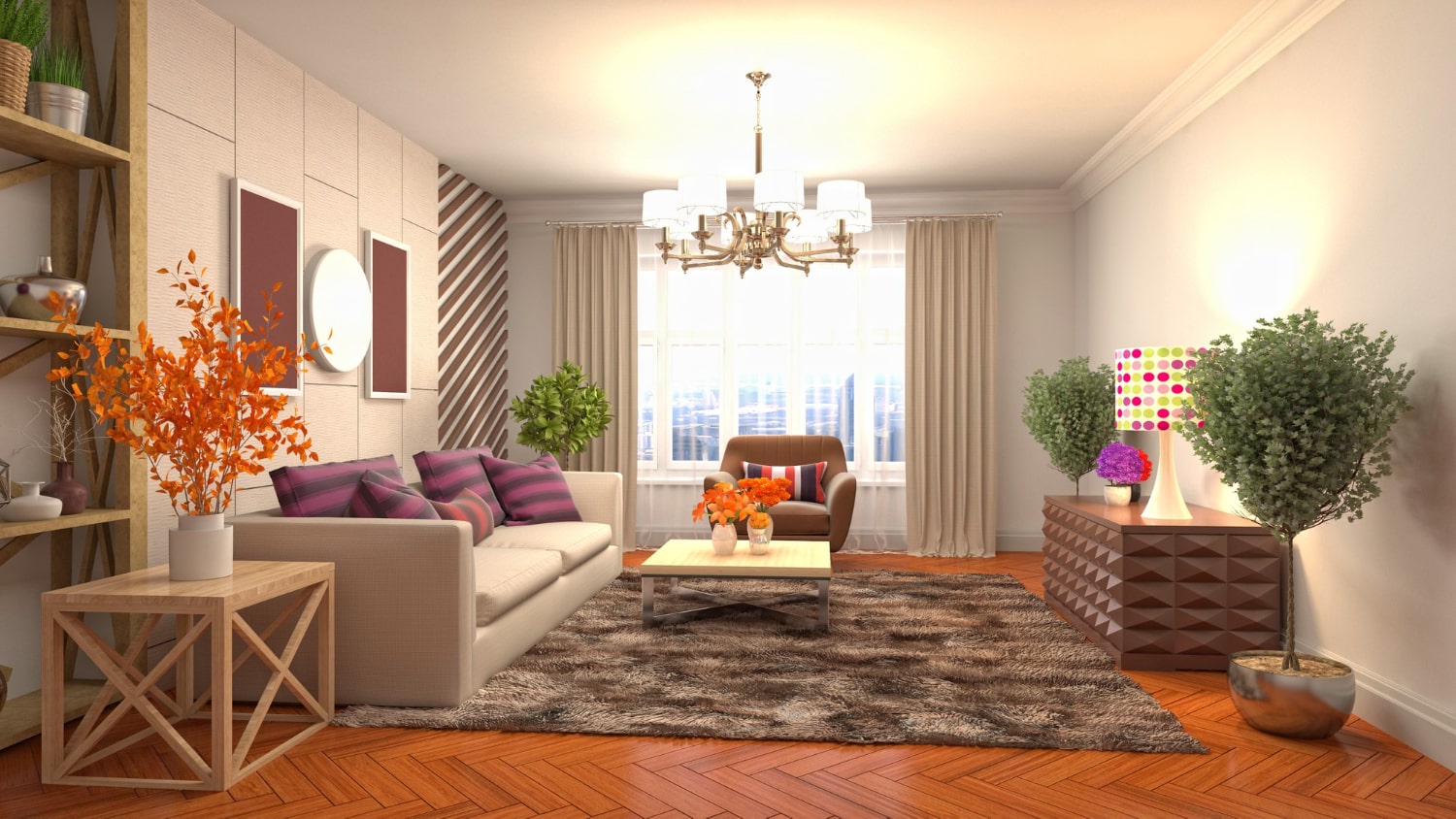
Decorative elements such as rugs, artwork, plants, and accent walls add personality and warmth. Consistent design themes help connect the basement aesthetically with the rest of the home. Neutral color palettes can make the area feel larger, while bold accents create visual interest.
A balanced combination of functional furnishings and decorative details elevates the overall design. This stage allows homeowners to personalize the space according to their preferences and lifestyle.
Budget Planning for Basement Finishing
Creating a realistic budget is essential for a successful project. Costs vary depending on the basement size, material choices, labor requirements, and design complexity. Planning ahead helps prevent unexpected expenses and ensures resources are allocated efficiently.
Typical Budget Categories
| Category | Percentage of Budget |
|---|---|
| Framing & Construction | 25% |
| Electrical & Plumbing | 20% |
| Flooring | 15% |
| Walls & Ceilings | 15% |
| Lighting | 10% |
| Furniture & Décor | 15% |
Establishing spending priorities allows homeowners to focus on features that provide the greatest value and functionality.
Conclusion
Learning how to design a basement finishing project requires thoughtful planning, attention to detail, and a clear understanding of your goals. From assessing basement conditions and creating a functional layout to selecting flooring, lighting, and storage solutions, every decision contributes to the final result. A well-designed basement can serve as a comfortable extension of the home while increasing property value and usability.