

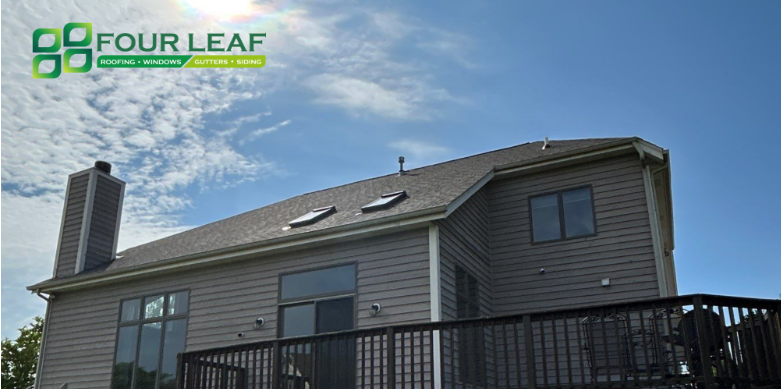
The building envelope serves as a vital barrier for property owners in southeastern Wisconsin against a climate marked by drastic seasonal fluctuations.
From the humid, UV-heavy summer months to the brutal sub-zero temperatures and high-velocity winter winds, the physical integrity of a structure depends heavily on its weakest points: the apertures.
Ensuring that these openings remain airtight and structurally sound is not merely an aesthetic choice but a fundamental requirement for long-term asset preservation.
For those managing residential or commercial portfolios, initiating a professional window replacement in Waukesha is often the single most impactful renovation for improving energy performance and interior environmental control.
As architectural standards evolve, the transition from antiquated single-pane or early-generation double-pane units to high-performance fenestration (the arrangement of windows in a building) has become a standard protocol for modern property maintenance.
Navigating the technical specifications, material selections, and municipal requirements associated with such an upgrade requires a comprehensive understanding of regional building science.
The Midwest’s Thermal Performance Economics
In a geographic region where heating and cooling costs represent a significant portion of a property’s operational budget, the ROI of modern window technology is measured in “U-factors.”
This metric determines how well a window prevents heat from escaping. Lower U-factors correlate directly with superior insulation.
Contemporary units utilize multi-pane configurations filled with inert gases like argon or krypton. These gases are denser than air, providing a thermal buffer that significantly slows the transfer of energy.
The technique may efficiently trap heat within during a Wisconsin winter while reflecting solar heat gain at the summer peak when combined with Low-E (low-emissivity) coatings, which are tiny metallic layers that reflect infrared light.
Research suggests that upgrading from outdated wooden sashes to energy-certified vinyl or composite frames can reduce annual energy expenditure by up to 15–20%.
Architectural Styles and Material Science
The architectural landscape of the region features a diverse mix of classic Craftsman, mid-century ranch, and contemporary minimalist designs.
Selecting a replacement style that honors the building’s original character while delivering modern durability is essential for maintaining curb appeal and market value.
1. Double-Hung and Casement Configurations
Double-hung windows remain the preferred choice for traditional residential architecture due to their classic proportions and ease of maintenance. However, casement windows, which hinge at the side and crank outward, offer superior airtight seals.
Because the sash is pressed firmly against the frame by the wind, casements are often the most effective option for wind-prone areas.
2. Specialized Frame Materials
While traditional wood frames offer unparalleled aesthetic warmth, they require significant cyclical maintenance to prevent moisture-induced rot. In contrast, advanced vinyl and fiberglass composites have become the industry standard for their resistance to thermal expansion.
Fiberglass, in particular, shares a similar expansion rate to glass, which minimizes stress on seals and prevents the seal failures that lead to “foggy” windows.
3. Structural Bay and Bow Windows
For property owners looking to increase interior floor space and natural light penetration, bay and bow windows provide a structural solution that extends the building’s footprint.
These units must be engineered with reinforced headers to support the additional weight, a task that necessitates specialized installation expertise.
Regulatory Compliance and Professional Execution
A successful renovation project is not defined solely by the quality of the glass, but by the precision of the installation. In Waukesha County, building codes are strictly enforced to ensure that all structural modifications meet safety and environmental standards.
For example, in order to offer safe emergency exits, “egress” rules specify the minimum opening size for windows in sleeping spaces.
Engaging a certified team for window replacement in Waukesha ensures that all municipal permits are secured and that the installation complies with state energy codes.
Professional installers utilize specialized flashing and high-grade sealants to integrate the window unit into the building’s moisture barrier.
Failure to properly flash a window can lead to latent water intrusion, causing structural decay within the wall cavity that remains hidden until the damage is systemic.
By prioritizing high-performance materials and professional mechanical integration, property owners can transform their building from a source of energy loss into a model of modern efficiency and comfort.
Frequently Asked Questions
How can a homeowner tell if a window seal has failed?
The most prominent indicator of a failed seal is “fogging” or condensation trapped between the panes of glass. This occurs when the inert gas has leaked out and been replaced by ambient moisture.
Once a seal is compromised, the window’s insulating properties are significantly reduced, and the glass cannot be cleaned internally. To restore thermal efficiency at this point, it is usually necessary to replace the sash or the complete unit.
What are the “Egress” requirements for windows in Wisconsin?
Wisconsin building codes require that windows in bedrooms (sleeping areas) serve as an emergency exit.
To be code-compliant, an egress window must have a minimum opening width of 20 inches, a minimum height of 24 inches, and a total clear opening of at least 5.7 square feet.
Additionally, the bottom of the window opening (the sill) must not be more than 44 inches above the floor to ensure accessibility.
Is vinyl or fiberglass a better choice for the Wisconsin climate?
Both materials are high performers, but fiberglass is generally considered the premium option for extreme climates. Fiberglass is more rigid and has a thermal expansion rate almost identical to the glass it holds, which reduces the risk of seal failure over decades of temperature swings.
Vinyl is a more cost-effective solution that offers excellent insulation but can be more prone to expansion and contraction in areas with extreme direct sun exposure.