


Modern homebuyers and renters are increasingly looking for spaces that combine style, flexibility, and functionality. Among the many housing options available today, loft apartments have gained remarkable popularity because of their spacious layouts, industrial charm, and ability to adapt to different lifestyles. Originally created by converting warehouses and factories into residential spaces, loft-style living has evolved into a sought-after choice in major cities and growing urban communities.
The appeal of these homes extends beyond aesthetics. High ceilings, large windows, and open floor plans create a unique atmosphere that differs significantly from traditional apartments. Young professionals, remote workers, artists, and even small families are attracted to the creative possibilities offered by loft spaces.
As urban housing trends continue to evolve, developers are introducing modern versions of loft homes to meet changing demands. Whether located in renovated historic buildings or newly constructed communities, loft living reflects contemporary preferences for versatility, natural light, and minimalist design.
Understanding Loft Apartments
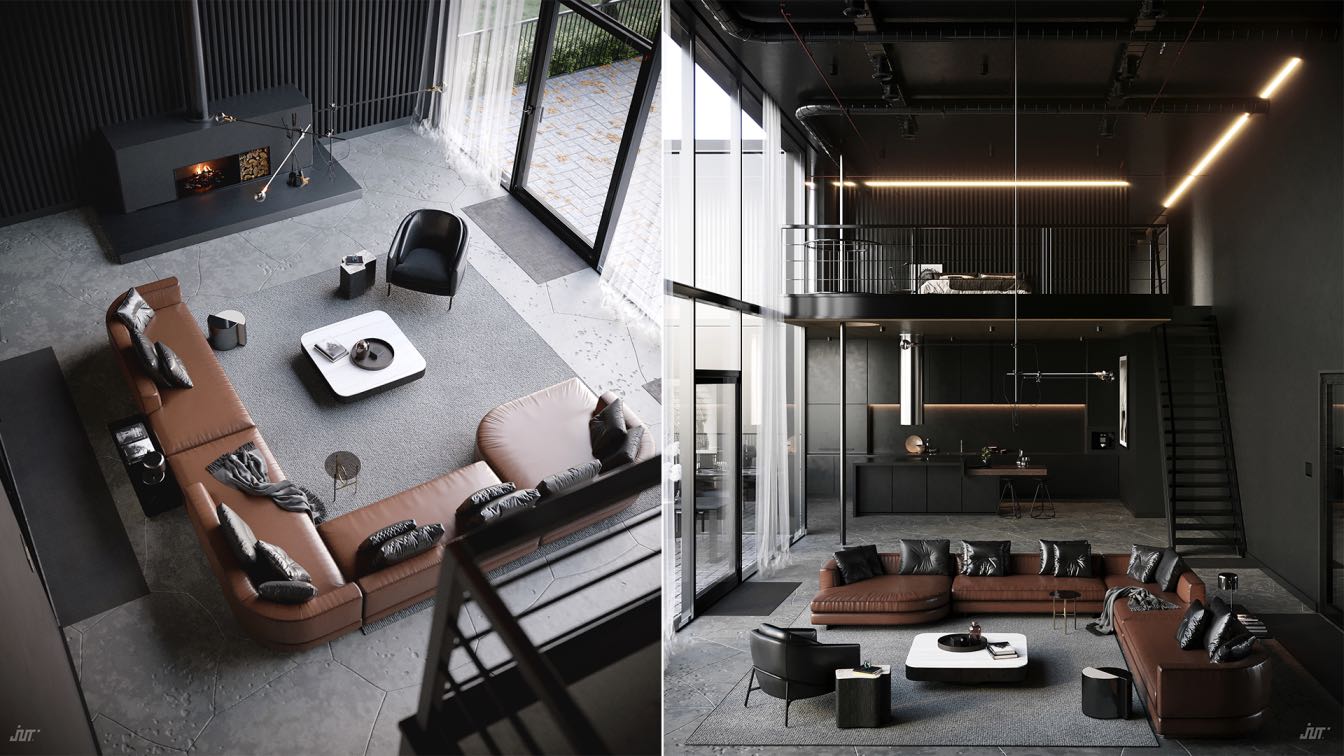
Loft apartments are residential spaces characterized by open layouts, high ceilings, expansive windows, and minimal interior walls. Historically, they emerged from abandoned industrial buildings that were transformed into homes. Today, both authentic industrial lofts and newly designed soft lofts are widely available.
Traditional apartments usually separate rooms with walls and hallways, while lofts emphasize openness. Kitchens, living areas, and workspaces often flow seamlessly into one another. This design creates an airy environment that feels larger than its actual square footage.
The concept continues to evolve with changing housing trends. Developers are increasingly incorporating loft-inspired architecture into modern apartment complexes, making the style accessible to a broader range of residents.
History and Evolution of Loft Living
The origins of loft living can be traced to the mid-twentieth century when artists and creative professionals began occupying vacant warehouses in urban centers. These spaces offered affordability and generous floor areas, making them ideal for studios and living quarters.
Over time, city revitalization projects transformed former industrial districts into vibrant neighborhoods. Demand for these distinctive homes increased, and developers recognized their commercial potential. Today, loft-inspired residences can be found in many metropolitan areas, blending historic character with contemporary amenities.
The rise of remote work and hybrid lifestyles has further increased interest in open-concept housing. Many residents appreciate having the flexibility to create home offices, fitness spaces, or creative studios without feeling restricted by traditional room divisions.
Types of Loft Apartments
Hard Lofts
Hard lofts are authentic industrial conversions. They often preserve original architectural features such as exposed brick walls, steel beams, concrete floors, and oversized windows. These elements contribute to the distinctive character that attracts many buyers and renters.
Because hard lofts are typically located in historic buildings, they are often found in established urban districts with rich cultural identities. Their uniqueness and limited supply can make them highly desirable and relatively expensive.
Soft Lofts
Soft lofts are newly constructed residences designed to mimic the appearance and feel of traditional industrial lofts. Developers incorporate features such as high ceilings and open layouts while providing modern conveniences and energy-efficient systems.
These homes appeal to individuals seeking loft aesthetics without sacrificing contemporary comforts. Soft loft developments have become increasingly common in suburban and expanding metropolitan markets.
Live-Work Lofts
Live-work spaces are designed to accommodate both residential and professional activities. Entrepreneurs, freelancers, and remote employees often prefer these layouts because they provide flexibility and convenience.
As work-from-home arrangements continue to influence housing preferences, live-work designs are becoming more common in new residential projects. They offer residents the ability to separate productivity zones without requiring entirely separate rooms.

Key Features That Define Loft Apartments
Several characteristics distinguish loft-style homes from conventional residences. These features contribute to their unique atmosphere and growing popularity among modern renters and homeowners.
- High ceilings that create a spacious and airy environment.
- Large windows that maximize natural light.
- Open floor plans with minimal walls.
- Industrial-inspired architectural elements.
- Flexible spaces suitable for multiple purposes.
These design elements combine to create homes that feel modern, artistic, and highly customizable.
Benefits of Choosing Loft Apartments
One of the greatest advantages of loft apartments is flexibility. Residents can personalize layouts according to their individual needs. A single open area can function as a living room, workspace, dining space, and entertainment area without feeling overcrowded.
Natural light is another major benefit. Large windows allow sunlight to fill the space, reducing dependence on artificial lighting and creating a welcoming atmosphere. The abundance of light contributes to improved comfort and visual appeal.
Many loft communities are located in revitalized urban neighborhoods close to restaurants, entertainment districts, and public transportation. This accessibility appeals to professionals and individuals who enjoy city living and vibrant social environments.
Loft Apartments vs Traditional Apartments
The following comparison highlights the key differences between loft living and conventional apartment layouts.
| Feature | Loft Apartments | Traditional Apartments |
|---|---|---|
| Layout | Open-concept design | Multiple separate rooms |
| Ceiling Height | Usually very high | Standard height |
| Natural Light | Large windows and bright interiors | Moderate window sizes |
| Design Style | Industrial and modern | Conventional styles |
| Flexibility | Highly customizable | More structured layouts |
| Privacy | Limited room separation | Greater privacy |
While both housing types offer advantages, personal lifestyle preferences often determine which option is the better fit.
Interior Design Ideas for Loft Spaces
Decorating loft homes requires balancing openness with functionality. Because spaces are less divided, furniture placement becomes an essential part of creating visual organization.
Area rugs, shelving units, and strategic lighting can define separate zones without disrupting the open layout. Many homeowners incorporate neutral color palettes and industrial accents such as metal finishes and reclaimed wood to complement the architectural style.
Vertical space also plays an important role. High ceilings provide opportunities for creative storage solutions and decorative elements. Hanging plants, oversized artwork, and tall bookshelves help maximize the room’s dimensions while enhancing visual interest.
Current Market Trends for Loft Apartments
The housing market in recent years has experienced changing demands driven by remote work, rising urban populations, and lifestyle preferences. These factors have contributed to continued interest in loft apartments, particularly among younger professionals and digital entrepreneurs.
Modern developments increasingly integrate smart-home technology, energy-efficient systems, and community amenities. Fitness centers, rooftop lounges, and coworking spaces are now common features in many loft-oriented residential complexes.
Sustainability is another important trend influencing design choices. Developers are emphasizing eco-friendly materials and energy-efficient construction methods to meet the expectations of environmentally conscious residents.
Who Should Consider Loft Living?
Certain lifestyles align particularly well with the advantages offered by loft spaces. People who appreciate open environments and flexible layouts often find them appealing.
- Young professionals seeking urban convenience.
- Remote workers needing adaptable home office areas.
- Artists and creatives requiring spacious interiors.
- Couples who prefer modern minimalist living.
Although loft-style homes are versatile, individuals who prioritize multiple enclosed rooms or maximum privacy may prefer more traditional layouts.
Challenges and Considerations
Despite their many benefits, loft homes are not ideal for everyone. Open layouts can limit privacy, especially for roommates or families with differing schedules. Noise may travel more easily, and heating or cooling large spaces can sometimes increase utility costs.
Storage can also be a challenge. Residents often need to invest in multifunctional furniture and creative organizational solutions. Fortunately, many contemporary designs incorporate built-in storage options that help maximize available space.
Budget is another factor to consider. Depending on location and building type, loft residences can command premium prices due to their architectural uniqueness and strong demand.
Future Outlook of Loft Apartments
The future of loft apartments appears promising as housing preferences continue shifting toward flexibility and multifunctional living. Hybrid work arrangements have increased the need for adaptable spaces that support productivity and leisure under one roof.
Developers are responding by creating communities that blend residential comfort with shared amenities and sustainable technologies. Smart systems, eco-friendly construction materials, and wellness-focused designs are likely to shape the next generation of loft-inspired homes.
As cities continue to redevelop former industrial districts, loft communities will remain an important part of urban housing landscapes. Their combination of history, creativity, and modern convenience ensures continued relevance in the years ahead.

Frequently Asked Questions
Are loft apartments more expensive than regular apartments?
Pricing varies by location and building type. In many urban areas, loft residences can be more expensive because of their unique architectural appeal and desirable neighborhoods. However, costs differ significantly between cities and housing markets.
Are loft apartments suitable for families?
They can accommodate small families, particularly larger lofts with mezzanine levels or designated sleeping areas. However, households requiring multiple private rooms may find traditional floor plans more practical.
What is the difference between a hard loft and a soft loft?
Hard lofts are converted industrial buildings featuring original architectural elements, while soft lofts are newly constructed residences designed to replicate the same aesthetic with modern amenities.
Are loft apartments good for remote work?
Yes. Their open layouts provide flexibility for creating dedicated workspaces. Many residents appreciate the ability to customize interiors according to changing professional and personal needs.
Do loft apartments provide enough storage space?
Storage availability depends on the design. Some units offer built-in closets and cabinets, while others require creative solutions such as vertical shelving and multifunctional furniture.
Why are loft apartments becoming increasingly popular?
Changing lifestyles, remote work trends, and a preference for open-concept living have contributed to growing demand. Many people appreciate the combination of spacious interiors, natural light, and contemporary design.
Conclusion
The growing popularity of loft apartments reflects changing expectations in modern housing. Their spacious layouts, industrial charm, and adaptability appeal to individuals seeking homes that support work, creativity, and everyday living. Whether found in historic warehouse conversions or newly constructed developments, these residences offer a distinctive alternative to conventional apartment designs.
As urban lifestyles continue evolving, loft living remains a compelling option for those who value flexibility and contemporary aesthetics. By understanding their features, advantages, and current market trends, prospective renters and buyers can determine whether this unique style of living aligns with their needs and long-term goals.
Read More:-Greek Architecture: Timeless History and Classical Styles