

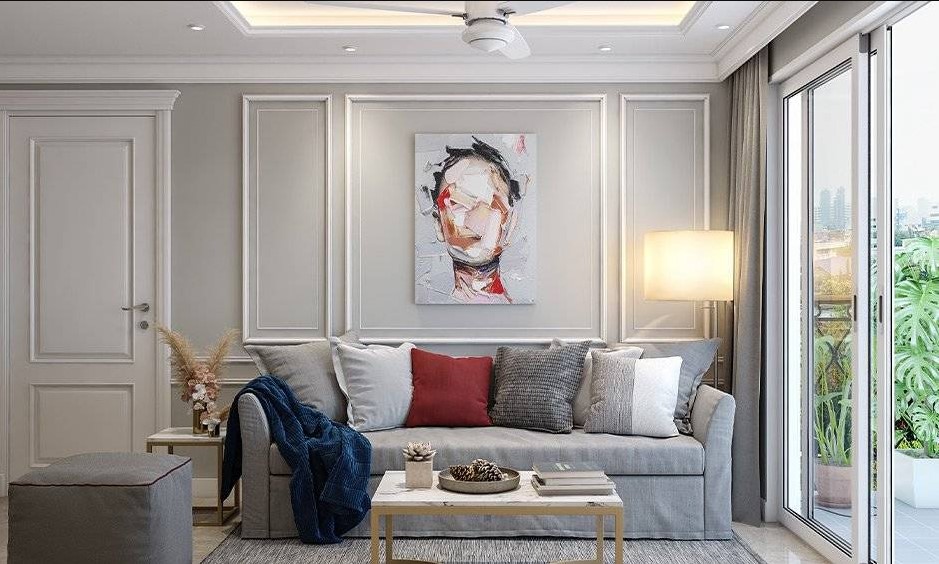
Wall molding is one of the most effective ways to transform plain walls into sophisticated design features. Whether you prefer a classic, modern, or transitional interior style, wall molding can add depth, texture, and architectural character to any room. Many homeowners choose wall molding because it is a cost-effective method of enhancing visual appeal without undertaking major renovations.
Understanding how to design a wall molding ideas project begins with evaluating the room’s size, style, and purpose. Wall molding can be used in living rooms, bedrooms, dining rooms, hallways, and even home offices. The right design creates balance while making walls appear more refined and luxurious.
Today, wall molding designs range from traditional rectangular panels to geometric patterns and minimalist trim layouts. By selecting suitable materials, proportions, and colors, you can create a unique feature that complements your existing décor. This guide explains every step involved in planning and designing beautiful wall molding ideas for your home.
Understanding the Purpose of Wall Molding
Before installing molding, it is important to understand its role in interior design. Wall molding serves both decorative and practical purposes. It helps break up large wall surfaces while adding dimension and elegance.
When learning how to design a wall molding ideas layout, consider what you want to achieve. Some homeowners use molding to create a luxurious atmosphere, while others use it to highlight artwork, furniture, or architectural details.
Benefits of wall molding include:
- Adds visual depth and texture
- Creates a luxurious appearance
- Increases property appeal
- Defines spaces within a room
- Complements various interior styles
- Enhances wall durability
Wall molding can also make ceilings appear taller and rooms appear larger when designed correctly. Proper planning ensures the molding enhances the overall aesthetic rather than overwhelming the space.
Choosing the Right Wall Molding Style
Selecting the appropriate molding style is essential for achieving the desired look. Different interior themes require different molding designs.
Popular Wall Molding Styles
| Style | Best For | Appearance |
|---|---|---|
| Traditional Panels | Classic Homes | Elegant and formal |
| Modern Squares | Contemporary Spaces | Clean and simple |
| Geometric Designs | Trendy Interiors | Bold and artistic |
| Picture Frame Molding | Living Rooms | Sophisticated |
| Wainscoting | Dining Rooms | Timeless and refined |
| Vertical Panels | Small Rooms | Creates height |
When exploring how to design a wall molding ideas concept, choose a style that complements your furniture, flooring, and color palette. Consistency throughout the home creates a cohesive interior design.
Traditional molding often features symmetrical rectangular panels, while modern styles focus on simplicity and clean lines. Geometric patterns work well in accent walls where a dramatic effect is desired.
Measuring and Planning the Layout
Proper measurements are critical for successful wall molding installation. A carefully planned layout ensures balance and symmetry throughout the room.
Start by measuring:
- Wall height
- Wall width
- Door locations
- Window placement
- Existing trim dimensions
Sketch the wall design before installation. Many designers recommend leaving equal spacing between molding sections to maintain visual harmony.
For example, a large living room wall may accommodate several rectangular molding panels, while a smaller bedroom wall may benefit from two or three simple frames.
Understanding how to design a wall molding ideas layout involves paying close attention to proportions. Oversized moldings can overwhelm a small room, while tiny moldings may disappear on large walls.
Planning on paper helps avoid costly mistakes and ensures professional-looking results.
Selecting Materials for Wall Molding
The material you choose affects both the appearance and durability of the molding. Modern homeowners have several options available depending on budget and design preferences.
Common Wall Molding Materials
| Material | Advantages | Cost Level |
|---|---|---|
| MDF | Affordable and smooth | Low |
| Wood | Durable and premium | High |
| PVC | Moisture-resistant | Medium |
| Polyurethane | Lightweight and flexible | Medium |
| Composite Materials | Easy maintenance | Medium |
MDF is one of the most popular choices because it is affordable, easy to paint, and simple to install. Wood provides a premium appearance and works well in traditional homes.
When deciding how to design a wall molding ideas project, material selection should align with both your budget and the room’s conditions. Moisture-resistant materials are particularly useful in bathrooms and humid environments.
Creating Visual Balance and Symmetry
Symmetry is one of the most important principles in wall molding design. Balanced layouts create a sense of order and elegance that instantly improves a room’s appearance.
To achieve symmetry:
- Divide walls evenly
- Maintain consistent spacing
- Align molding with architectural features
- Use matching panel dimensions
- Center designs around focal points
For living rooms, the television or fireplace often becomes the central focal point. In dining rooms, molding panels are usually arranged symmetrically around the dining table area.
Learning how to design a wall molding ideas arrangement requires attention to visual weight. Even modern asymmetrical designs should feel intentional and balanced.
The goal is to guide the eye naturally throughout the room while creating a polished and harmonious atmosphere.
Choosing the Perfect Paint Colors
Paint plays a major role in the final appearance of wall molding. The color combination determines whether the molding blends into the wall or stands out as a feature.
Popular color options include:
Matching Colors
Using the same color on both molding and wall creates a seamless and elegant appearance.
Contrasting Colors
Contrasting shades emphasize molding details and create dramatic visual impact.
Neutral Tones
Neutral colors remain timeless and complement various décor styles.
Bold Accent Walls
Dark shades paired with molding can create luxurious feature walls in living rooms and bedrooms.
When considering how to design a wall molding ideas project, color selection should reflect the room’s mood and design goals. Lighter colors create openness, while darker tones add sophistication and depth.
Wall Molding Ideas for Different Rooms
Different rooms require different molding approaches. The design should enhance the room’s purpose and existing décor.

Living Room
Large rectangular panels create an elegant focal point behind sofas or entertainment centers.
Bedroom
Soft molding designs behind the bed act as an attractive alternative to a traditional headboard.
Dining Room
Wainscoting and decorative panels add formality and sophistication.
Hallways
Simple molding designs improve visual interest in narrow spaces.
Home Office
Wall molding provides a professional and polished appearance that enhances productivity.
By understanding how to design a wall molding ideas solution for each room, you can create a consistent and visually appealing interior throughout your home.
Common Mistakes to Avoid
Many homeowners make design mistakes that reduce the effectiveness of wall molding. Avoiding these issues can significantly improve the final result.
Mistakes to Watch For
- Uneven panel spacing
- Oversized moldings in small rooms
- Ignoring room proportions
- Poor paint selection
- Inconsistent measurements
- Overly complicated designs
Simplicity often produces the most elegant results. A clean and balanced layout tends to age better than trendy or overly decorative patterns.
Careful planning ensures that your wall molding remains attractive and functional for years to come.
Modern Trends in Wall Molding Design
Interior design trends continue to evolve, and wall molding is becoming increasingly popular in modern homes.
Current trends include:
- Minimalist molding layouts
- Floor-to-ceiling vertical panels
- Geometric feature walls
- Dark monochromatic color schemes
- Integrated LED lighting
- Contemporary accent walls
These trends demonstrate that wall molding is no longer limited to traditional interiors. Modern applications provide endless opportunities for creativity and personalization.
Homeowners exploring how to design a wall molding ideas project can combine classic techniques with contemporary elements to achieve a fresh and stylish appearance.
Conclusion
Wall molding is a timeless design feature that enhances the beauty, character, and value of any home. By understanding room proportions, selecting suitable materials, planning balanced layouts, and choosing complementary colors, homeowners can create stunning walls that elevate interior spaces.