

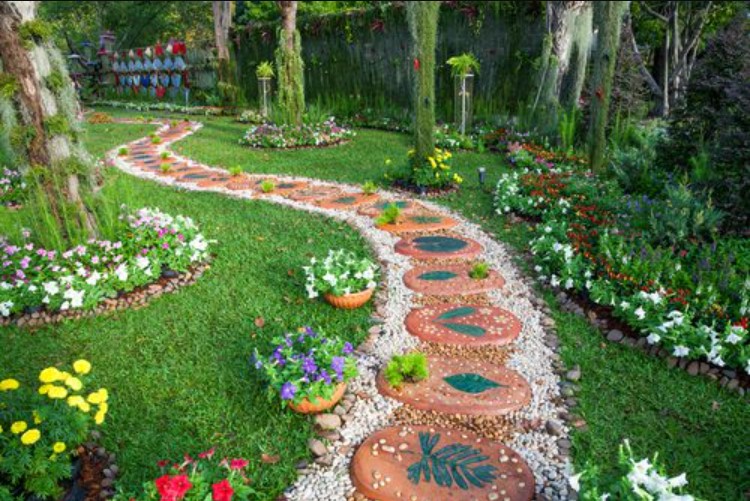
Creating a beautiful outdoor space is one of the most rewarding home improvement projects. Learning how to design a garden decorations plan can transform an ordinary yard into a relaxing retreat filled with charm, personality, and visual appeal. Garden decorations are more than just ornaments; they help create a welcoming atmosphere, highlight landscape features, and reflect your personal style.
A well-decorated garden combines plants, pathways, lighting, furniture, and decorative elements in a balanced way. Whether you have a large backyard, a small patio garden, or a compact courtyard, thoughtful decoration can maximize the beauty of the available space. By selecting the right design elements and arranging them strategically, you can create a stunning garden that remains attractive throughout the year.
This guide explains the essential steps, ideas, and considerations needed to create a beautiful and functional garden environment.
Understanding Your Garden Space
Before choosing decorative elements, it is important to evaluate your garden space carefully. Every garden has unique characteristics that influence design decisions. Consider the size of the area, sunlight exposure, existing plants, soil conditions, and architectural features around the property.
A clear understanding of the available space helps prevent overcrowding and ensures decorative pieces complement rather than dominate the landscape. Walk around the garden and identify focal points where decorations can draw attention. These may include flower beds, pathways, water features, or seating areas.
The goal is to create harmony between natural elements and decorative additions. By studying the layout first, you can make informed decisions that improve both aesthetics and functionality while maintaining a balanced appearance throughout the garden.
Essential Elements of Garden Decoration
Several decorative elements work together to create an attractive garden design. Choosing the right combination can significantly enhance the overall visual appeal.
| Decoration Element | Purpose |
|---|---|
| Garden Statues | Create focal points |
| Outdoor Lighting | Improve ambiance and safety |
| Water Features | Add movement and relaxation |
| Decorative Pots | Enhance plant displays |
| Garden Furniture | Provide comfort and functionality |
| Pathways | Improve accessibility and design flow |
| Trellises and Arbors | Add vertical interest |
These elements should be selected based on the style and size of your garden. Combining multiple features thoughtfully creates a cohesive and visually pleasing outdoor environment.
Choosing a Garden Style
One of the most important steps in how to design a garden decorations is selecting a design theme. A consistent style helps create a unified appearance and prevents the space from feeling cluttered.
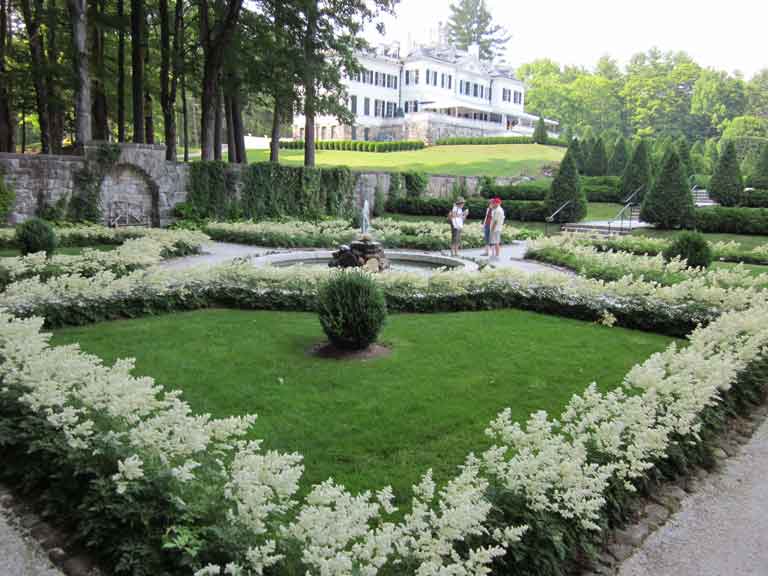
Popular garden styles include modern, cottage, rustic, tropical, Mediterranean, and Japanese-inspired gardens. Modern gardens emphasize clean lines, minimal decorations, and geometric layouts. Cottage gardens feature colorful flowers, vintage ornaments, and a relaxed atmosphere. Rustic gardens often incorporate wood, stone, and natural materials.
When choosing a style, consider your home’s architecture and your personal preferences. Matching decorative features to the overall theme creates visual consistency and makes the garden feel intentional and professionally designed.
Creating Attractive Focal Points
Every successful garden design includes one or more focal points that naturally attract attention. Focal points provide structure and help guide visitors through the landscape.
Common focal point ideas include:
- Decorative fountains
- Large sculptures
- Unique flower beds
- Ornamental trees
- Garden arches
- Outdoor fireplaces
- Decorative benches
The focal point should be proportional to the garden size. In smaller gardens, a single standout feature often works best. Larger gardens may include several focal areas connected by pathways and plant arrangements. Strategic placement ensures the decorative feature becomes a memorable centerpiece rather than blending into the background.
Incorporating Lighting for Visual Impact
Outdoor lighting is an essential component when considering how to design a garden decorations layout. Lighting extends the usability of outdoor spaces and highlights decorative features after sunset.
Soft pathway lights improve safety while creating an inviting atmosphere. Spotlights can emphasize sculptures, trees, and water features. String lights add warmth and charm to seating areas, while solar-powered fixtures offer an energy-efficient option.
Layering different types of lighting creates depth and visual interest. Instead of relying on a single light source, combine accent lighting, pathway lighting, and ambient illumination. This approach enhances the garden’s beauty during both daytime and nighttime hours while making the space feel more welcoming.
Selecting Decorative Plants and Containers
Plants are naturally decorative and should play a central role in garden design. Decorative containers and creative plant arrangements can elevate the visual appeal of any outdoor space.
Consider using containers of different heights, shapes, and materials to create variety. Ceramic pots, wooden planters, metal containers, and stone vessels each contribute unique character. Choose plants with contrasting colors, textures, and bloom times to maintain year-round interest.
Some excellent decorative plant choices include flowering perennials, ornamental grasses, climbing vines, and evergreen shrubs. Mixing plant types creates depth and ensures the garden remains attractive throughout changing seasons.
Garden Decoration Ideas for Different Spaces
Different garden sizes require different decoration strategies.
Small Gardens
- Use vertical planters
- Install wall-mounted decorations
- Add mirrors for visual expansion
- Choose compact furniture
Medium Gardens
- Create themed planting zones
- Add decorative pathways
- Include water features
- Use layered lighting
Large Gardens
- Design multiple seating areas
- Install large sculptures
- Create garden rooms
- Incorporate pergolas and arbors
Selecting decorations appropriate to the scale of the garden prevents overcrowding and maintains visual balance.
Using Sustainable Garden Decorations
Sustainability is becoming increasingly important in outdoor design. Environmentally friendly decoration choices reduce waste while enhancing garden beauty.

When exploring how to design a garden decorations plan sustainably, consider recycled materials, reclaimed wood, solar lighting, and drought-tolerant plants. Repurposed containers and handmade decorations can add unique character while minimizing environmental impact.
Rainwater collection systems, compost bins, and native plant gardens also contribute to eco-friendly landscaping. Sustainable decorations often require less maintenance and help create a healthier outdoor ecosystem. These choices benefit both the environment and the long-term functionality of the garden.
Seasonal Decorating Strategies
Gardens evolve throughout the year, making seasonal decoration an effective way to maintain visual interest. Rotating decorative elements ensures the space always feels fresh and relevant.
Spring may feature colorful flower displays and bright decorative accents. Summer often emphasizes outdoor entertaining areas and vibrant container gardens. Autumn decorations can incorporate pumpkins, ornamental grasses, and warm-toned accessories. Winter designs may highlight evergreen plants, decorative lighting, and weather-resistant sculptures.
Seasonal updates do not require major renovations. Small adjustments can significantly refresh the appearance of the garden and maintain year-round appeal.
Common Mistakes to Avoid
While learning how to design a garden decorations, it is important to avoid common decorating errors.
Some frequent mistakes include:
- Overcrowding the space with ornaments
- Ignoring scale and proportion
- Choosing decorations that clash with the garden style
- Neglecting maintenance requirements
- Using too many colors and materials
- Forgetting nighttime lighting considerations
- Blocking natural pathways
Avoiding these issues helps maintain a clean, balanced, and visually appealing landscape. Simplicity and thoughtful placement often produce better results than excessive decoration.
Conclusion
Understanding how to design a garden decorations plan involves balancing creativity, functionality, and natural beauty. By assessing your space, selecting a consistent style, creating focal points, incorporating lighting, and choosing decorative plants wisely, you can transform any outdoor area into an attractive retreat. Sustainable practices and seasonal updates further enhance the garden’s long-term appeal.