

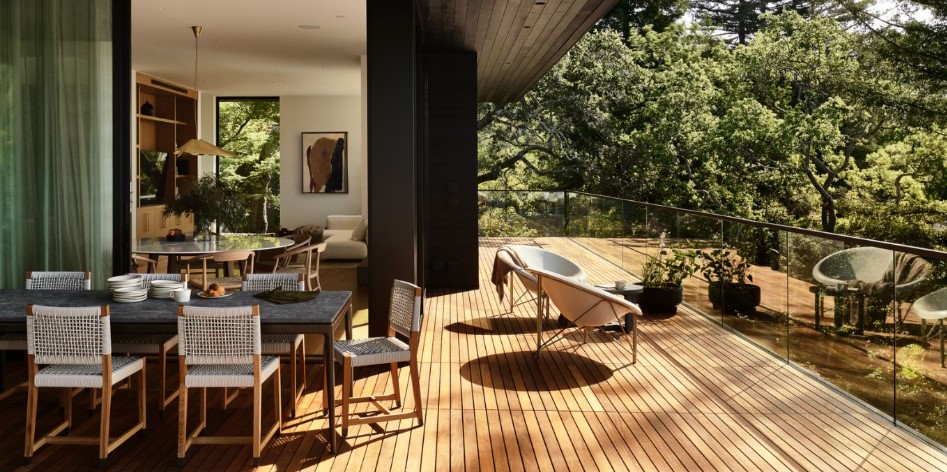
Outdoor spaces have become an essential extension of modern homes. Whether you have a spacious backyard, a compact patio, or a cozy garden, learning how to design a outdoor living area can significantly improve your property’s functionality and appeal. A thoughtfully designed outdoor space creates an inviting environment where family and friends can relax, entertain, and enjoy nature.
Today, homeowners are investing more in outdoor living areas because they provide additional usable space without the cost of a major home addition. From comfortable seating arrangements to elegant landscaping, every detail contributes to a welcoming atmosphere. Understanding how to design a outdoor living area involves balancing aesthetics, practicality, and personal preferences.
This guide explores the key elements of outdoor living design, helping you create a beautiful and functional retreat that enhances your lifestyle and increases your home’s value.
Understanding Your Outdoor Space
Before purchasing furniture or planning decorative features, it is important to evaluate your available outdoor area. Every outdoor space has unique characteristics that influence design decisions. Consider the size, shape, sunlight exposure, existing landscaping, and climate conditions in your region.
When planning how to design a outdoor living space, think about how you intend to use it. Some homeowners prioritize dining and entertaining, while others prefer relaxation zones or family-friendly areas. Defining your goals early helps create a cohesive design plan.
Pay attention to natural focal points such as mature trees, gardens, or scenic views. These features can serve as the foundation of your design and help determine furniture placement, pathways, and activity zones.
Creating Functional Outdoor Zones
One of the most effective approaches to outdoor design is dividing the space into functional zones. Just like indoor rooms serve different purposes, outdoor areas can be organized for specific activities.
Common outdoor living zones include:
- Dining area for meals and gatherings
- Lounge area for relaxation
- Cooking space with a grill or outdoor kitchen
- Fire pit or entertainment section
- Garden and landscaping areas
- Children’s play zone
Creating dedicated zones helps maximize space efficiency while improving usability. When considering how to design a outdoor living area, zoning allows family members and guests to enjoy multiple activities simultaneously without feeling crowded.
Proper spacing between zones ensures smooth movement throughout the outdoor environment while maintaining a visually appealing layout.
Choosing Comfortable Outdoor Furniture
Furniture plays a critical role in outdoor living design. Selecting durable and comfortable pieces ensures your outdoor space remains inviting throughout the year. Weather-resistant materials such as aluminum, teak, resin wicker, and treated wood are popular choices for outdoor environments.
Comfort should be a top priority. Invest in quality cushions, ergonomic seating, and versatile furniture arrangements. Modular seating options offer flexibility and can accommodate both small family gatherings and larger social events.
Popular Outdoor Furniture Options
| Furniture Type | Purpose | Benefits |
|---|---|---|
| Sectional Sofas | Lounge Areas | Flexible seating |
| Dining Sets | Outdoor Meals | Functional and stylish |
| Adirondack Chairs | Relaxation | Comfortable design |
| Benches | Garden Spaces | Space-saving option |
| Daybeds | Luxury Lounging | Premium comfort |
Understanding how to design a outdoor living environment means choosing furniture that aligns with your lifestyle while complementing the overall aesthetic of your home.
Incorporating Effective Lighting
Outdoor lighting transforms a space after sunset and extends its usability into the evening. A well-planned lighting scheme enhances safety, highlights landscape features, and creates a warm ambiance.
Layered lighting is often the best approach. Combine functional lighting with decorative accents to achieve balance. Path lights improve navigation, while string lights and lanterns add charm and character.
Popular outdoor lighting options include:
- LED pathway lights
- String lights
- Wall-mounted fixtures
- Landscape spotlights
- Solar-powered garden lights
- Fire features and lanterns
When exploring how to design a outdoor living space, lighting should never be an afterthought. Strategic illumination helps define zones and creates a welcoming atmosphere for guests.
Adding Natural Elements and Landscaping
Landscaping serves as the backbone of any successful outdoor design. Plants, flowers, shrubs, and trees add texture, color, and visual interest while creating a connection with nature.
A balanced landscape design combines hardscape and softscape elements. Hardscape features include patios, walkways, retaining walls, and decks, while softscape elements consist of living plants and greenery.
Consider selecting plants that thrive in your local climate and require manageable maintenance. Native species are often ideal because they are adapted to local conditions and support regional ecosystems.
Those researching how to design a outdoor living area often discover that landscaping dramatically influences the overall feel of the space. Thoughtful plant placement can create privacy, define boundaries, and soften architectural features.
Designing an Outdoor Kitchen and Dining Area
Outdoor cooking and dining have become increasingly popular among homeowners. An outdoor kitchen can range from a simple grill station to a fully equipped cooking space with countertops, sinks, and storage.
The dining area should be located conveniently near the cooking zone while providing enough room for guests to move comfortably. Shade structures such as pergolas or umbrellas improve comfort during sunny weather.
Essential Outdoor Kitchen Features
| Feature | Purpose |
|---|---|
| Grill | Primary cooking appliance |
| Counter Space | Food preparation |
| Storage Cabinets | Organizing supplies |
| Sink | Easy cleanup |
| Refrigerator | Food and beverage storage |
Planning these elements carefully is a key part of understanding how to design a outdoor living environment that supports entertaining and family gatherings.
Creating Comfort Through Shade and Shelter
Protection from sun, wind, and rain significantly improves outdoor comfort. Shade structures make outdoor areas usable during various weather conditions and add architectural interest.
Popular shade solutions include pergolas, gazebos, retractable awnings, umbrellas, and covered patios. The right choice depends on your budget, available space, and design preferences.
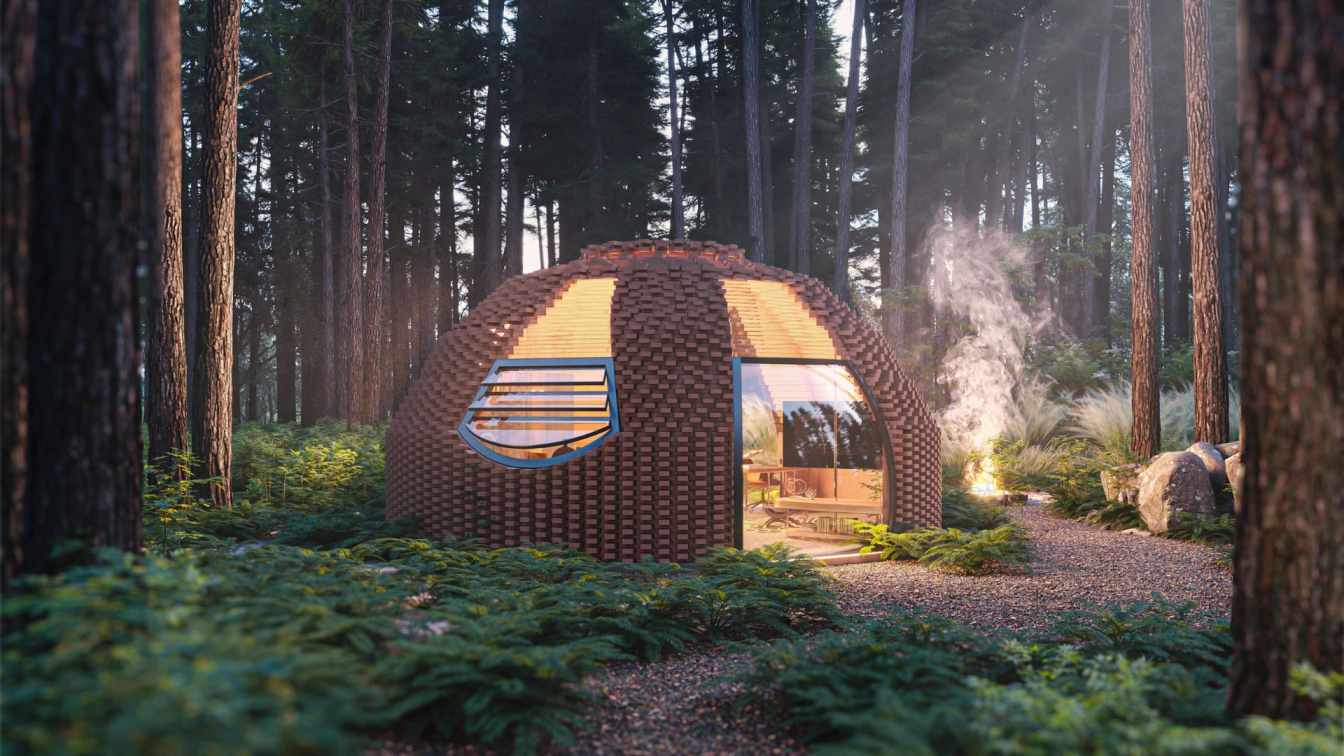
Comfort can also be enhanced with outdoor curtains, privacy screens, and weather-resistant accessories. These additions help create a cozy atmosphere while increasing functionality.
As you learn how to design a outdoor living area, remember that comfort encourages frequent use and maximizes the value of your investment.
Personalizing the Space with Decor
Decorative accessories bring personality and style to outdoor living areas. Rugs, throw pillows, artwork, planters, and decorative accents help create a cohesive look that reflects your tastes.
Choose colors and textures that complement your home’s architecture and surrounding landscape. Outdoor decor should be durable enough to withstand environmental conditions while maintaining visual appeal.
Consider incorporating:
- Outdoor rugs
- Decorative cushions
- Water features
- Sculptures
- Planters
- Seasonal decorations
Personal touches transform a standard outdoor area into a unique extension of your home and reinforce the overall design theme.
Maintenance Tips for Long-Term Beauty
Maintaining an outdoor living space ensures it remains attractive and functional for years. Regular cleaning, seasonal inspections, and proactive care prevent costly repairs and preserve your investment.
Important maintenance practices include:
- Cleaning furniture regularly
- Sealing wood surfaces when necessary
- Trimming plants and shrubs
- Checking lighting fixtures
- Inspecting hardscape features
- Protecting furniture during severe weather
A maintenance plan is an essential component of how to design a outdoor living area because even the most beautiful spaces require ongoing care to remain enjoyable.
Conclusion
Learning how to design a outdoor living space involves much more than arranging furniture outdoors. It requires careful planning, functional zoning, comfortable furnishings, effective lighting, thoughtful landscaping, and personalized decor. By combining these elements, homeowners can create an inviting outdoor retreat that supports relaxation, entertainment, and everyday enjoyment.