

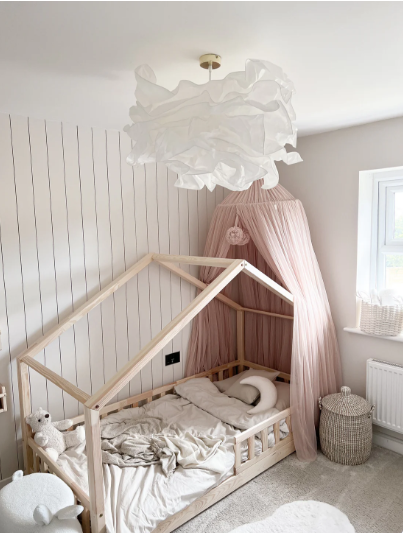
Introduction: Rethinking Infant Sleep in a Modern Way
Parenting today is evolving rapidly, especially when it comes to sleep environments for infants and toddlers. Many families are moving away from traditional heavy furniture setups and exploring simpler, more natural alternatives. One such growing trend is the idea of a floor bed for baby.
This approach focuses on creating a safe, open sleeping environment placed directly on or very close to the floor. Instead of restricting movement within crib rails, it allows children to experience gentle freedom while still maintaining safety when the room is properly prepared.
Parents are often drawn to this idea because it aligns with minimalism, Montessori principles, and a desire to support independence from an early age. At the same time, it offers flexibility for growing children, reducing the need to upgrade furniture repeatedly.
As we explore this concept in detail, you’ll understand not only how it works but also why so many families are choosing it as a long-term sleep solution.
Understanding the Concept of Modern Floor Sleeping

The idea behind a floor bed for baby is simple but powerful: instead of elevating a mattress inside a crib, the sleeping surface is placed directly at ground level. This removes physical barriers while still maintaining a defined sleep space.
This design is often associated with child-led development philosophies, where babies are encouraged to explore their environment safely at their own pace. It is not just about sleep—it is about trust, movement, and independence.
Parents appreciate that this setup reduces dependence on restrictive structures. Once a baby becomes mobile, they can safely move in and out of bed without needing assistance or risking a fall from height.
In essence, it transforms the nursery into a child-friendly space rather than a controlled enclosure.
Why Families Are Choosing This Sleep Approach
One of the biggest reasons parents switch to a floor bed for baby setup is the growing awareness of child development needs. Babies naturally want to explore their surroundings, and restricting that movement too much can sometimes create frustration.
With this sleeping style, children develop spatial awareness earlier. They learn boundaries naturally, such as where the bed ends and the play area begins.
Another important factor is emotional comfort. Many children feel more secure when they can see and interact with their surroundings rather than being enclosed by bars.
Over time, this often leads to smoother bedtime routines and fewer sleep struggles, especially during toddler transitions.
Safety First: Creating a Secure Sleep Environment
Safety is the most important consideration when setting up a floor bed for baby. While the low height reduces fall risks, the surrounding environment must be carefully prepared.
The entire room becomes part of the sleep space, so baby-proofing is essential. Electrical outlets should be covered, furniture should be anchored, and small objects must be removed from reach.
A firm mattress is also critical to support healthy sleep posture and reduce risks associated with overly soft surfaces. Soft bedding should be minimized, especially for younger infants.
Parents often find that once the room is fully prepared, the environment becomes not only safer but also more organized and calming overall.
Key Benefits for Growth and Development
A floor bed for baby offers several developmental benefits that go beyond sleep itself. One of the most important is freedom of movement, which helps strengthen motor skills naturally.
Babies who can move freely tend to develop coordination earlier. They also gain confidence in exploring their surroundings, which supports cognitive growth.
Sleep quality is another major benefit. Without restrictive bars or sudden transfers, many children experience more natural sleep cycles.
Parents also appreciate the long-term usability. Instead of switching from crib to toddler bed, the same setup can evolve with the child over several years.
Step-by-Step Setup for a Safe Sleeping Space
Creating a functional floor bed for baby environment requires thoughtful planning rather than complex furniture.
Start with selecting a firm mattress that provides proper support. It should be breathable and fit snugly into the designated space without gaps along the edges.
Next, prepare the entire room as a safe zone. This includes securing heavy furniture, removing choking hazards, and ensuring that everything within reach is safe for exploration.
Lighting also plays an important role. Soft, warm lighting helps signal bedtime and creates a calming atmosphere. Many parents also use blackout curtains to support consistent sleep routines.
Once the environment is ready, consistency becomes the key to success. Babies adjust better when their sleep space remains predictable.
Comparison Table: Traditional Crib vs Floor Bed Approach
| Feature | Crib Setup | Floor-Based Sleeping Style |
|---|---|---|
| Movement Freedom | Limited | High |
| Fall Risk | Possible if climbing | Minimal |
| Independence | Restricted | Encouraged |
| Longevity | Outgrown quickly | Long-term use |
| Room Integration | Separate sleep space | Shared room environment |
This comparison highlights how different the philosophy is between traditional sleep systems and a floor bed for baby approach.
Encouraging Independence Through Sleep Design
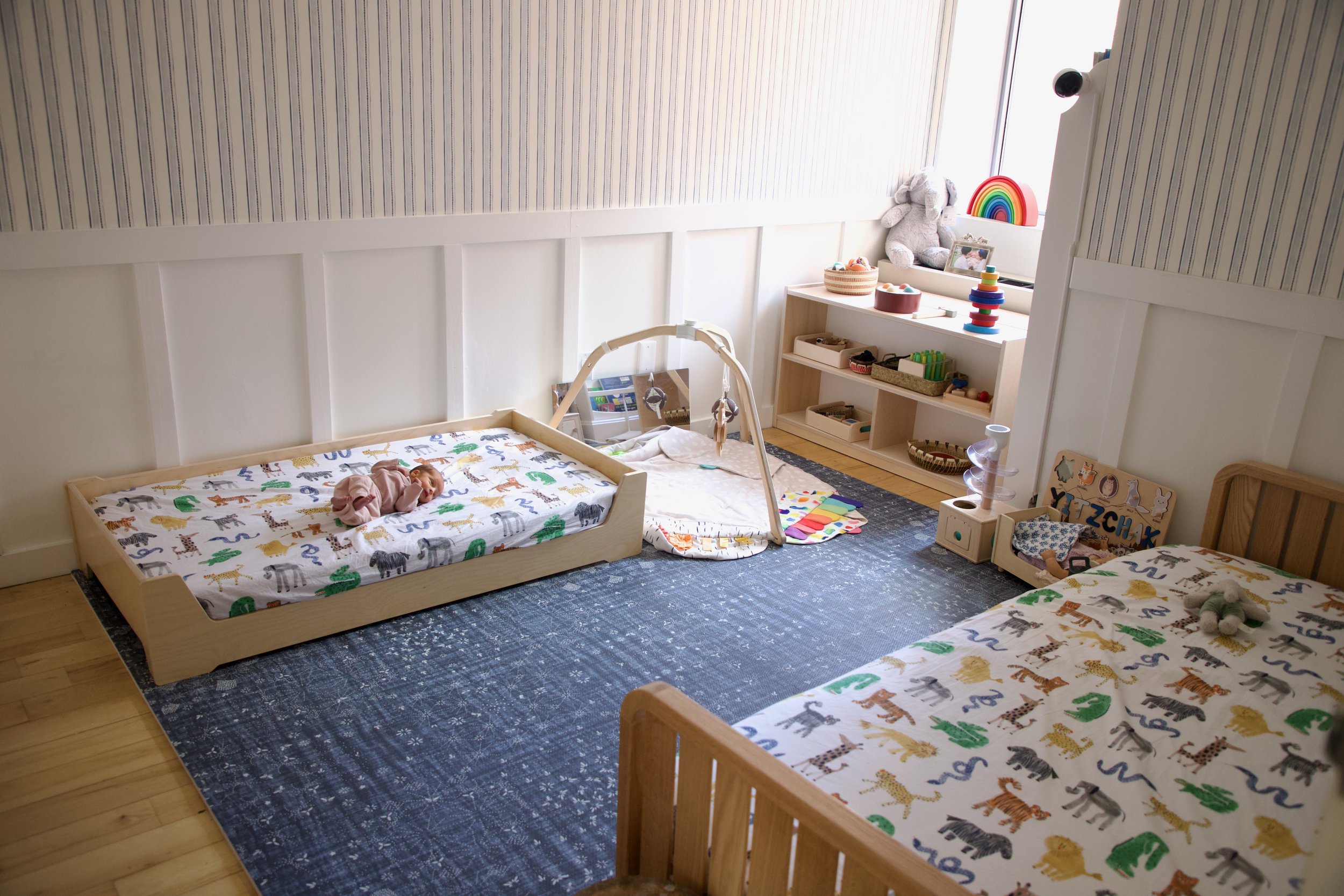
A major advantage of this sleeping style is how it supports independence from an early age. A floor bed for baby allows children to decide when to rest and when to wake up naturally.
This autonomy builds confidence. Over time, children learn to understand their own sleep cues rather than relying entirely on external control.
It also encourages responsibility in a gentle, age-appropriate way. Even very young children begin to understand boundaries and routines through repetition.
This kind of environment often leads to smoother transitions as the child grows into toddlerhood.
Montessori Influence and Natural Learning Environments
Many parents discover the floor bed for baby concept through Montessori-inspired parenting. This philosophy emphasizes respect for a child’s natural development and encourages independence through environment design.
Instead of placing babies in restrictive furniture, Montessori spaces are designed to be open, accessible, and child-centered.
In such environments, children can choose when to rest, play, or explore, which supports decision-making skills even at a young age.
The sleeping space becomes part of a larger learning ecosystem rather than a separate isolated zone.
Common Mistakes Parents Should Avoid
While this sleep style has many benefits, mistakes in setup can reduce its effectiveness.
One common mistake is incomplete room safety preparation. Since the child can move freely, every corner of the room must be secure.
Another issue is over-decorating the sleep area. Too many toys or distractions can interfere with restful sleep and overstimulate the child.
Parents also sometimes underestimate consistency. Changing sleep environments frequently can confuse the child and delay adjustment.
Avoiding these mistakes helps ensure the floor bed for baby experience remains positive and stable.
Choosing the Right Mattress and Sleep Timing
Selecting the right mattress is one of the most important decisions in this setup. A floor bed for baby should always use a firm, supportive surface that maintains proper alignment during sleep.
Soft or memory foam mattresses that sink deeply should be avoided for infants, as they may create safety concerns.
Timing also matters. Many families introduce this sleep style when the baby begins to roll or crawl, as this indicates readiness for more movement.
Transitioning too early or too late can both affect comfort, so observing the child’s development is key.
How This Sleep Style Impacts Emotional Development
Beyond physical benefits, a floor bed for baby can also influence emotional growth. Children often feel more secure when they have control over their environment.
This sense of autonomy reduces frustration and can lead to fewer bedtime struggles. It also builds trust between parent and child, as the environment is designed to support rather than restrict.
Over time, children develop stronger self-soothing skills, which contribute to healthier sleep habits in later years.
Practical Parenting Tips for Daily Success

To make this sleep approach successful, consistency and simplicity are essential. Keep bedtime routines predictable so the child knows what to expect.
A calm environment is also important. Soft sounds, gentle lighting, and minimal distractions help signal rest time.
Parents should also observe their child’s behavior closely. Every child adapts differently, and small adjustments may be needed along the way.
These small habits make the floor bed for baby experience smoother and more effective in the long run.
Frequently Asked Questions (FAQs)
Is this sleeping style safe for newborns?
Yes, with proper baby-proofing and supervision, it can be adapted safely, though extra caution is needed for very young infants.
What age is best to start?
Most parents begin when the baby becomes mobile, such as rolling or crawling stages.
Do babies sleep better in this setup?
Many children sleep more naturally due to reduced restrictions and smoother movement transitions.
How do I prevent nighttime wandering?
Room safety setup is key, along with consistent bedtime routines.
Is a crib still necessary?
Not always. Many families transition fully once the floor bed for baby setup proves successful.
Conclusion: A Simple Yet Powerful Sleep Transformation
Choosing the right sleep environment is one of the most meaningful decisions in early parenting. A floor bed for baby offers a modern, flexible, and development-friendly alternative to traditional cribs.
It supports independence, encourages natural movement, and helps create a calm and child-centered space. When properly prepared, it becomes more than just a sleeping arrangement—it becomes part of a child’s learning environment.
By focusing on safety, simplicity, and consistency, parents can create a space that grows with their child while supporting healthier sleep habits and emotional development.
If you are considering a gentle, adaptable, and long-term sleep solution, this approach may be the perfect foundation for your child’s early years.
Read More:-Gentle Sleep Guide for Safe Toddler Sleeping with Protective Rails