

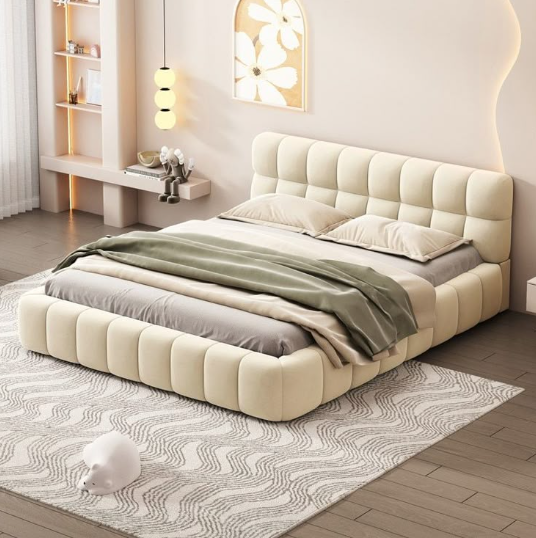
Introduction: The Rise of Grounded Sleeping Spaces
Modern interior design is shifting toward simplicity, calmness, and functionality. In this evolving lifestyle trend, people are moving away from bulky furniture and embracing more grounded sleeping arrangements. A thoughtfully designed sleeping setup closer to the floor can create a soothing environment that feels both spacious and calming. Many homeowners are now rethinking traditional bed structures and exploring low-profile alternatives that improve both aesthetics and comfort.
One of the most notable innovations in this space is the concept of a floor bed frame, which blends minimal design with practical living. It allows individuals to sleep closer to the ground while maintaining proper mattress support and airflow. This design philosophy is inspired by traditional Japanese interiors and modern minimalist architecture, both of which emphasize openness and balance in living spaces.
Beyond aesthetics, this approach also supports healthier sleep habits and improved room functionality. It reduces visual clutter and makes small bedrooms appear significantly larger. For families, young professionals, and minimalism enthusiasts, this has become a practical and stylish solution for modern living.
Design Philosophy: Simplicity Meets Functionality

The core idea behind low-profile sleeping arrangements is rooted in minimalism. Designers aim to remove unnecessary bulk while still maintaining comfort and durability. Instead of tall, heavy structures, the focus is on clean lines, natural materials, and low elevation platforms that keep the mattress close to the ground.
A well-crafted sleeping platform in this style often uses wood slats or breathable bases that allow air circulation beneath the mattress. This prevents moisture buildup and enhances durability over time. The aesthetic appeal lies in its simplicity—no towering headboards or ornate frames, just a clean and grounded presence in the room.
Another important aspect is adaptability. Unlike traditional furniture, minimalist sleeping systems can easily fit into different room layouts. Whether placed in a studio apartment or a spacious bedroom, they blend seamlessly with various interior styles such as Scandinavian, Japanese Zen, or modern industrial.
In many homes, the introduction of a floor bed frame completely changes the perception of space. Rooms feel more open, less cluttered, and more inviting. This makes it an ideal choice for people who value both design efficiency and emotional comfort in their personal spaces.
Lifestyle Benefits and Everyday Practicality
Beyond aesthetics, there are several lifestyle advantages associated with low sleeping setups. One of the most important benefits is improved safety. Since the sleeping surface is closer to the ground, the risk of injury from accidental falls is significantly reduced. This makes it especially useful for households with young children or elderly individuals.
Another key benefit is ease of maintenance. Cleaning around and under the sleeping area becomes much simpler compared to traditional elevated beds. Dust accumulation is reduced, and vacuuming or sweeping becomes more efficient. This contributes to a cleaner and healthier living environment overall.
Comfort is also an essential factor. Many users report that sleeping closer to the ground provides a more grounded and calming sensation. It reduces the feeling of being elevated or isolated and creates a more natural sleeping experience. This psychological comfort can contribute to improved sleep quality and reduced nighttime restlessness.
Temperature regulation is another subtle advantage. Depending on the climate, sleeping closer to the ground can feel cooler and more comfortable, especially in warmer regions. With proper bedding, this can be adjusted for year-round comfort.
Material Selection and Structural Integrity
When designing or selecting a low-profile sleeping system, material choice plays a critical role in both durability and comfort. Natural materials such as solid wood, bamboo, and engineered timber are commonly used due to their strength and sustainability. These materials also add a warm and organic feel to the bedroom environment.
Proper airflow is essential to maintain mattress health. Without ventilation, moisture can get trapped, leading to mold or odor issues. To prevent this, designers often incorporate slatted bases or slightly raised platforms beneath the mattress. This ensures continuous air circulation while maintaining a grounded appearance.
Structural stability is another key factor. Even though the design is minimal, it must still support weight evenly and withstand long-term use. High-quality craftsmanship ensures that the platform remains sturdy without creaking or shifting over time. Finishing details such as smooth edges and polished surfaces also enhance both safety and aesthetics.
A well-constructed floor bed frame not only supports restful sleep but also contributes to the overall longevity of the mattress itself, making it a smart long-term investment.
Comfort, Ergonomics, and Sleep Experience
Comfort is one of the most important aspects of any sleeping arrangement. A properly designed low-profile system supports natural body alignment, helping maintain spinal health during rest. This reduces pressure points and promotes deeper, more restorative sleep.
Ergonomically, getting in and out of bed becomes easier for many individuals. The lower height reduces strain on joints and makes movement more natural. This is particularly beneficial for people with mobility concerns or those recovering from minor injuries.
Sleep psychology also plays a role. Being closer to the ground can create a sense of stability and security. Many individuals describe it as feeling more connected to their surroundings, which can reduce anxiety and promote relaxation before sleep.
Air circulation is another ergonomic consideration. Since heat rises, sleeping closer to the ground can sometimes provide a cooler sleeping experience. However, this should be balanced with appropriate bedding to ensure comfort during colder seasons.
Buying Guide: What to Consider Before Choosing
Selecting the right sleeping setup involves more than just appearance. Room size, mattress compatibility, and lifestyle needs all play an important role in making the right choice. A well-matched design enhances both comfort and functionality.
Portability is another factor worth considering. Some designs are modular and can be disassembled easily, making them ideal for individuals who move frequently. Others are more permanent and focus on durability and long-term stability. Choosing between these depends on personal lifestyle preferences.
Budget also plays a significant role. Entry-level designs are often simple and affordable, while premium options may include custom craftsmanship and high-end materials. Understanding your priorities can help you choose a design that fits both your needs and financial plan.
When selecting a floor bed frame, it is important to evaluate ventilation, build quality, and compatibility with your mattress type. A well-informed decision ensures long-term satisfaction and better sleep quality.
Comparison Overview
| Feature | Traditional Bed Setup | Low Platform Design | Ground-Level Setup |
|---|---|---|---|
| Room Space Impact | High visual weight | Moderate | Minimal |
| Cleaning Ease | Moderate effort | Easier access | Very easy |
| Safety Level | Moderate | High | Very high |
| Mobility | Low | Medium | High |
| Aesthetic Flexibility | Limited | High | Very high |
This comparison highlights how different sleeping arrangements affect daily living. While traditional setups still offer comfort, modern minimalist designs provide greater flexibility and space efficiency, especially in compact homes.
Everyday Living Experience and Emotional Impact
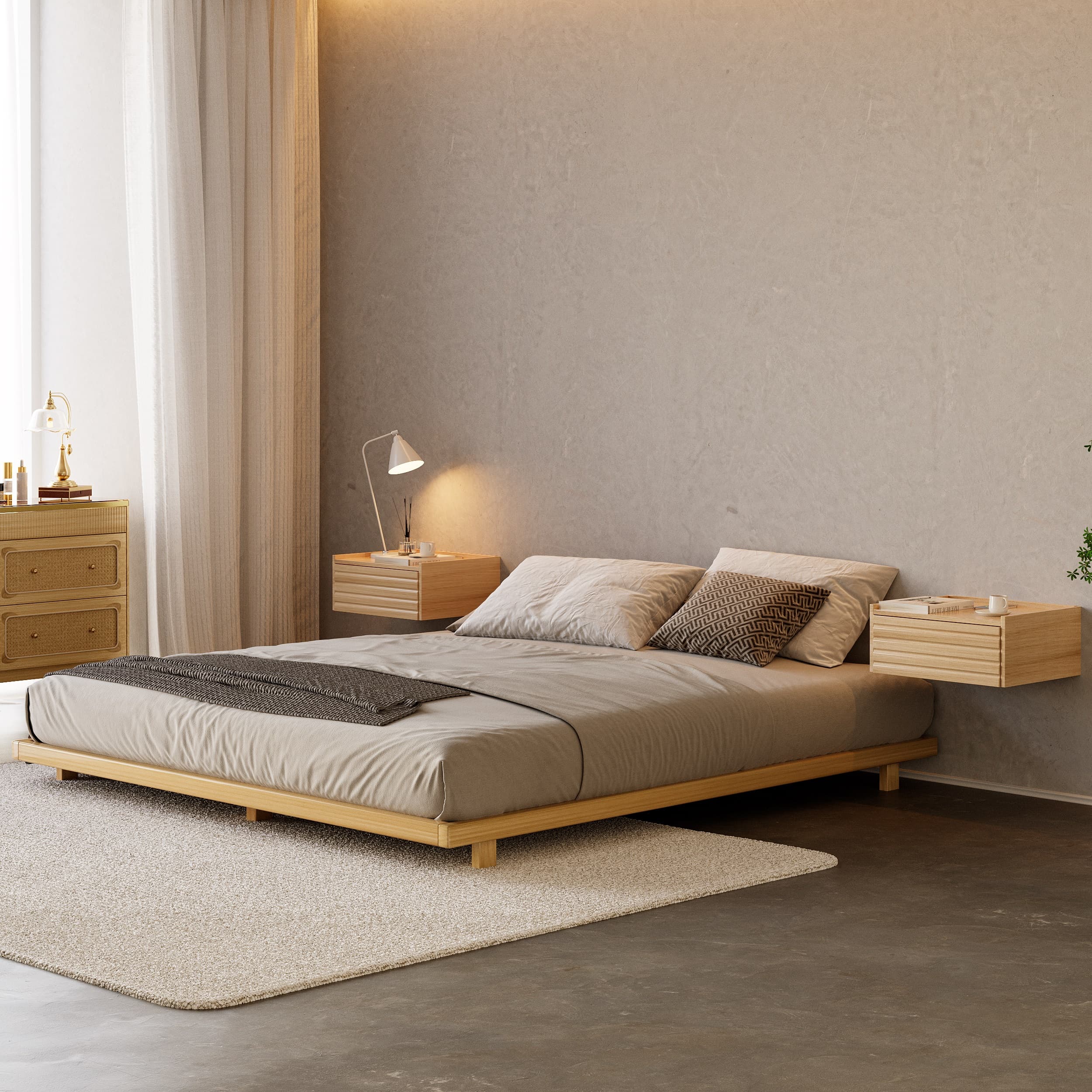
The way a bedroom is arranged has a direct impact on mental well-being. A clutter-free environment encourages relaxation and reduces stress levels. Many people find that simplifying their sleeping area leads to improved focus and emotional balance in daily life.
A grounded sleeping arrangement can also influence lifestyle habits. It encourages minimalism, reduces unnecessary furniture, and promotes intentional living. Over time, this shift can lead to a more organized and peaceful home environment.
For individuals living in urban apartments, this style of sleeping setup can completely transform the perception of space. Rooms feel larger, airier, and more inviting. The simplicity also makes decorating easier, allowing for personal expression without overcrowding the room.
Why Minimal Sleeping Design Works
A simplified sleeping environment reduces visual clutter, which helps the brain relax more efficiently before sleep. This leads to improved rest quality and reduced stress levels over time.
This psychological benefit is one of the key reasons why low-profile sleeping arrangements continue to grow in popularity across modern households.
Frequently Asked Questions (FAQs)
Q1: Is a low sleeping setup suitable for small rooms?
Yes, it is ideal for small rooms because it maximizes visible space and reduces clutter.
Q2: Does it require special maintenance?
No special maintenance is needed, but regular cleaning and mattress ventilation are recommended.
Q3: Can it support heavy mattresses?
Yes, when properly constructed, it can support most standard and heavy mattress types.
Q4: Is it comfortable for long-term use?
Absolutely, many users find it more comfortable due to its natural sleeping posture support.
Q5: Is it suitable for children?
Yes, its low height makes it a safer option for children compared to elevated beds.
Conclusion: A Smarter Way to Sleep and Live
Modern living is increasingly about simplicity, efficiency, and comfort. Choosing a grounded sleeping arrangement aligns perfectly with these values. It offers a blend of aesthetic appeal, practical benefits, and improved lifestyle functionality.
A thoughtfully designed floor bed frame can transform a bedroom into a peaceful, open, and highly functional space. From better sleep quality to easier maintenance and improved safety, the advantages are both practical and emotional.
Ultimately, adopting this style is not just about changing furniture—it is about embracing a more mindful way of living. With the right design and thoughtful setup, your bedroom can become a true sanctuary of rest, simplicity, and balance.
Read More:-Smart Low Bed Ideas for Safer and Happier Toddler Sleep Spaces Pro