

Introduction
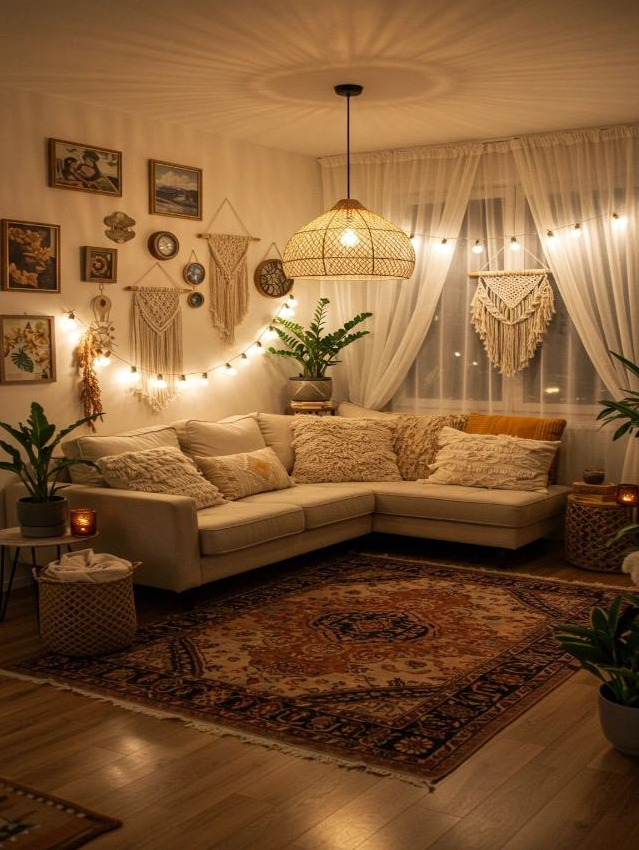
In today’s fast-moving world, home has become more than just a place to live—it’s a reflection of personality, comfort, and creativity. People are now paying closer attention to how their interiors look and feel, aiming to create spaces that are both visually pleasing and emotionally calming. This growing interest in design has made the concept of aesthetic home decor more popular than ever before. It is not just about decoration; it’s about creating harmony between colors, furniture, lighting, and personal taste to build a meaningful living environment.
Modern homeowners are blending simplicity with elegance, often choosing subtle textures, natural tones, and functional layouts. The goal is to design spaces that feel warm, inviting, and balanced while still maintaining a stylish edge. As we move further into 2026, interior design trends continue to evolve, focusing on comfort-driven aesthetics and personalized spaces that tell a story.
Understanding Modern Interior Design Trends

Modern interior design has shifted from overly decorative styles to more thoughtful, minimal, and functional approaches. The focus is now on quality rather than quantity, where every piece of furniture or décor item serves a purpose.
One of the most noticeable changes is how people approach aesthetic home decor in a more intentional way. Instead of cluttering rooms with unnecessary items, homeowners are choosing fewer but more meaningful pieces that enhance the overall mood of the space. Neutral color palettes, wooden textures, and soft lighting are dominating modern homes, making them feel more spacious and calming.
This shift is also influenced by the rise of remote work and digital lifestyles, where people spend more time at home and want their environment to feel peaceful and productive.
Creating Balance with Colors and Textures
Color plays a powerful role in shaping the atmosphere of any room. Soft beige, muted greens, warm whites, and earthy tones are becoming highly preferred because they create a soothing environment.
When applying aesthetic home decor, combining different textures can add depth and personality to your space. For example, pairing a linen sofa with a wooden coffee table and wool rugs creates a layered look that feels both cozy and stylish. The key is to maintain balance so that no single texture overwhelms the room.
Lighting also plays an important role here. Natural light should be maximized during the day, while warm-toned artificial lighting can be used at night to create a relaxing ambiance.
Smart Furniture Choices and Layout Planning
Furniture selection is one of the most important aspects of interior design. Choosing the right pieces can completely transform a room’s appearance and functionality.
Below is a simple comparison table to help understand how furniture choices impact interior style:
| Furniture Type | Design Impact | Best Use Area |
|---|---|---|
| Minimalist Sofa | Creates open, airy feel | Living Room |
| Wooden Dining Set | Adds warmth and texture | Dining Area |
| Modular Storage | Improves organization | Bedroom/Office |
| Accent Chairs | Enhances visual appeal | Reading Corners |
In modern aesthetic home decor, multifunctional furniture is gaining popularity. Items like foldable tables, storage beds, and compact sofas help maximize space while maintaining style. Proper layout planning ensures smooth movement and avoids overcrowding, making the home feel more open and breathable.
Lighting: The Secret to Transforming Spaces
Lighting can completely change how a room looks and feels. It is one of the most powerful yet often overlooked elements of interior design. A well-lit room appears larger, cleaner, and more welcoming.
Natural lighting should always be prioritized. Large windows, sheer curtains, and open layouts help bring in daylight, which enhances the beauty of interiors. In the evening, layered lighting techniques—such as combining ceiling lights, floor lamps, and wall sconces—create depth and warmth.
When working with aesthetic home decor, lighting becomes the bridge between functionality and mood. Soft lighting in bedrooms promotes relaxation, while brighter lighting in kitchens and workspaces improves focus and efficiency.
Personalization and Decorative Elements
Personal touches are what truly make a house feel like home. Decorative items such as wall art, indoor plants, handmade crafts, and photo frames bring character and emotion into a space.
A growing trend in aesthetic home decor is incorporating natural elements like plants and stone textures. Indoor plants not only improve air quality but also add freshness and vibrancy to interiors. Similarly, artworks and personalized décor pieces allow homeowners to express their individuality.
However, moderation is important. Over-decorating can lead to visual clutter, which reduces the calming effect of a well-designed space. The goal is to strike a balance between beauty and simplicity.
Sustainable and Eco-Friendly Interior Choices

Sustainability has become a major focus in modern interior design. People are now more conscious of their environmental impact and prefer eco-friendly materials such as bamboo, reclaimed wood, and organic fabrics.
This shift has significantly influenced aesthetic home decor, encouraging designs that are both beautiful and responsible. Recycled materials, energy-efficient lighting, and natural textiles are becoming standard choices in modern homes.
Sustainable design not only benefits the environment but also creates healthier living spaces by reducing exposure to harmful chemicals and synthetic materials.
Technology Integration in Modern Homes
Technology has become an essential part of interior design. Smart lighting systems, automated curtains, voice-controlled devices, and energy-efficient appliances are now common in modern households.
When combined with aesthetic home decor, technology enhances convenience without compromising style. For example, hidden speakers, wireless charging tables, and sleek smart TVs blend seamlessly into interiors without disrupting the visual harmony.
This integration of technology ensures that homes are not only beautiful but also highly functional and future-ready.
Beyond convenience, aesthetic home decor also benefits from smart home systems that improve energy efficiency and daily comfort. Automated climate control helps maintain ideal room temperatures, while motion-sensor lighting reduces unnecessary electricity usage. These subtle innovations make everyday living smoother and more efficient without adding visual clutter.
Key Takeaways
- Modern interior design focuses on simplicity, comfort, and functionality.
- Colors, lighting, and textures play a crucial role in shaping home ambiance.
- Multifunctional furniture is ideal for maximizing space and style.
- Personalization adds emotional value to interior spaces.
- Sustainable materials are becoming essential in modern home design.
- Technology enhances convenience while maintaining visual appeal.
FAQs
1. What is modern interior design focused on today?
Modern design focuses on minimalism, functionality, comfort, and creating balanced living spaces with clean aesthetics.
2. How can I improve my home interior on a budget?
You can refresh your space by rearranging furniture, adding plants, using DIY décor, and improving lighting without major expenses.
3. Why is lighting important in home design?
Lighting enhances mood, improves visibility, and highlights key design features, making spaces more inviting and functional.
4. What colors work best for a calm home environment?
Neutral shades like beige, white, soft grey, and earthy tones are ideal for creating a peaceful atmosphere.
5. How do I avoid clutter in home decoration?
Focus on minimal items, use smart storage solutions, and avoid overcrowding surfaces with too many decorative pieces.
6. Are indoor plants good for interior design?
Yes, they improve air quality, add freshness, and enhance the visual appeal of interiors naturally.
7. Can technology affect home aesthetics?
When used wisely, technology enhances convenience while blending seamlessly with modern interior design styles.
Conclusion
Creating a beautiful and comfortable home is a journey that combines creativity, planning, and personal expression. With thoughtful choices in color, lighting, furniture, and decoration, anyone can transform their living space into something truly special. The essence of aesthetic home decor lies in balancing simplicity with elegance, ensuring that every element contributes to both beauty and functionality.
As interior trends continue to evolve, the focus remains on building spaces that feel personal, sustainable, and future-ready. A well-designed home is not just visually appealing—it is a reflection of lifestyle, comfort, and identity.
Beyond visual appeal, modern homeowners are now focusing on emotional comfort and long-term livability. This means choosing designs that reduce stress, improve daily routines, and support a healthier lifestyle. In this way, aesthetic home decor becomes more than just a design choice—it turns into a lifestyle philosophy that influences how people feel and function inside their homes.