

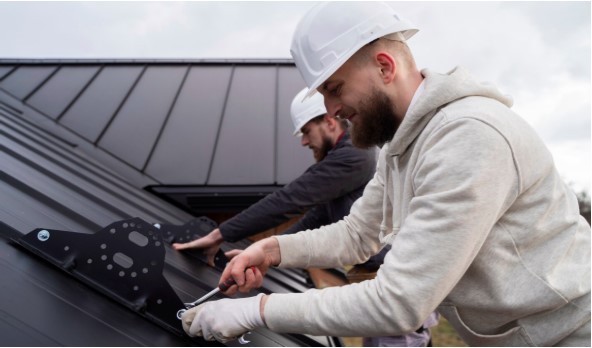
The integrity of a house is often measured by the quality of its uppermost protective layer. When small vulnerabilities appear, they can quickly escalate into significant structural challenges if left unmanaged.
Addressing these issues with a methodical approach is the most effective way to protect the interior of a home and ensure long term safety.
Homeowners must understand that early intervention is not only more affordable but also vital for maintaining the thermal efficiency and structural soundness of the entire building.
By following a structured plan for identification and repair, you can effectively manage common problems and extend the functional lifespan of your exterior materials.
Systematic Identification of Weaknesses in Residential Roofing
The first step in managing potential damage is a regular and systematic visual evaluation of the exterior. Inspecting the surface for missing, cracked, or curling shingles after severe weather is essential for early detection.
Professionals in residential roofing emphasize that small signs of wear, such as the loss of protective granules or the presence of moss, are early indicators of material degradation.
Checking the condition of the metal flashing around chimneys and vents is also a critical part of the process, as these are the most common points for water infiltration.
By remaining vigilant and conducting these checks at least twice a year, you can identify minor flaws before they become major leaks.
Researching and Evaluating Local Professional Roofing Companies
When repairs become complex or extensive, the expertise of a certified professional is indispensable for a successful outcome. Selecting the right partner involves a careful review of the reputation and credentials of various roofing companies in your region.
It is essential to choose a team that is fully insured and has a proven track record of handling similar architectural styles. Requesting detailed written estimates and checking for manufacturer certifications ensures that the work will be performed to a high standard.
A reliable contractor will provide a clear explanation of the necessary repairs and offer a workmanship warranty that gives the homeowner peace of mind regarding the durability of the project.
Addressing Interior Signs of Moisture and Water Intrusion
Often, the first signs of a problem are found inside the house rather than on the exterior surface. Homeowners should regularly inspect their ceilings and attic spaces for unexplained water stains, damp insulation, or a musty odor.
These interior signals are clear evidence that the watertight seal has been compromised somewhere above. If you notice sagging drywall or peeling paint, it is crucial to trace the source of the moisture immediately.
Acting quickly to seal these entry points prevents the development of wood rot in the rafters and the growth of harmful mold, both of which can lead to expensive and invasive structural remediation if neglected.
Clearing Obstructions and Maintaining Free Drainage Channels
Proper water management is a fundamental requirement for a healthy structure. When gutters and downspouts become clogged with leaves and organic debris, water can back up under the shingles, leading to significant edge rot.
Ensuring that the drainage system remains clear allows rainwater to be channeled safely away from the foundation and the walls.
During the autumn months, it may be necessary to clean these channels more frequently to prevent ice dams in colder climates.
A well functioning gutter system is a simple yet powerful tool in preventing the types of moisture related damage that often lead to the premature failure of exterior components.