


Introduction
For centuries, persian rugs have been admired as some of the finest handcrafted textiles in the world. Known for their intricate designs, exceptional craftsmanship, and rich cultural heritage, these rugs have become symbols of elegance and sophistication. Whether displayed in a traditional setting or a modern home, they bring warmth, character, and artistic value to any space.
Originating from ancient Persia, now known as Iran, these rugs are much more than decorative floor coverings. They represent generations of skill, creativity, and storytelling. Each rug is carefully woven by artisans who dedicate countless hours to creating unique patterns and detailed motifs. The result is a masterpiece that combines beauty with functionality.
Today, homeowners, interior designers, and collectors continue to appreciate the charm of these timeless creations. Their durability, versatility, and cultural significance make them a valuable addition to any room. Understanding the history and craftsmanship behind these rugs can help buyers make informed decisions while appreciating the artistry that makes them so special.
The Rich History of Persian Rugs
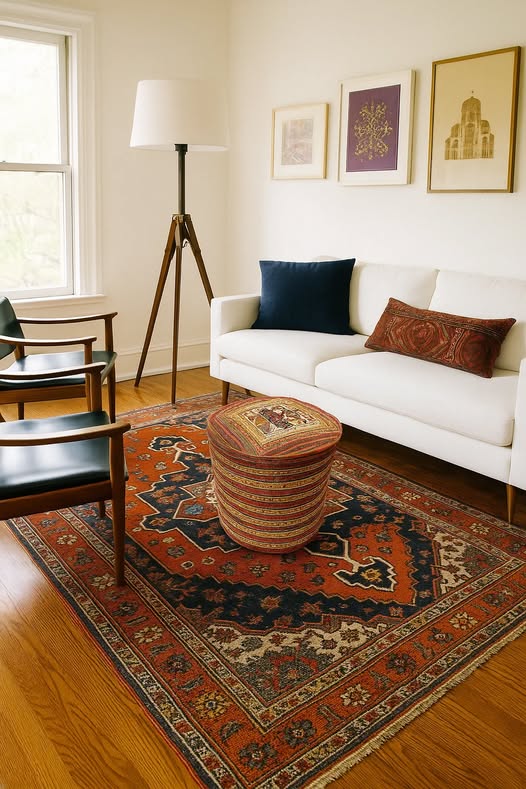
The story of persian rugs dates back more than 2,500 years. Ancient Persian civilizations developed weaving techniques that eventually became recognized worldwide for their quality and beauty. Historical records suggest that Persian carpets were treasured by royalty, nobles, and wealthy merchants who valued them as luxury items.
Over the centuries, rug-making evolved into a respected art form. Different regions developed distinct weaving styles, patterns, and color combinations that reflected local traditions and cultural influences. Cities such as Tabriz, Kashan, Isfahan, and Qom became famous centers of carpet production, each producing rugs with unique characteristics.
Trade routes played a significant role in spreading the popularity of Persian carpets across Europe, Asia, and the Middle East. As travelers and merchants encountered these stunning works of art, demand grew rapidly. Their reputation for quality craftsmanship allowed them to become highly sought-after possessions throughout the world.
Today, antique Persian rugs are often displayed in museums and private collections, showcasing their enduring appeal and historical significance. Their rich heritage continues to inspire modern artisans who preserve traditional weaving techniques while creating contemporary designs.
What Makes Persian Rugs Unique?
One of the defining features of persian rugs is their remarkable craftsmanship. Unlike machine-made alternatives, authentic Persian rugs are woven entirely by hand using traditional techniques passed down through generations. This process requires patience, precision, and artistic talent.
The materials used in their construction also contribute to their quality. Wool, silk, and cotton are commonly used, with each material offering distinct textures and appearances. High-quality wool provides softness and durability, while silk adds luxurious sheen and intricate detail.
Patterns are another distinguishing characteristic. Persian rugs often feature floral motifs, geometric shapes, medallions, and elaborate borders. These designs are carefully planned and executed, resulting in visually stunning compositions that tell stories of culture, nature, and history.
Color selection plays an equally important role. Natural dyes derived from plants, insects, and minerals create rich, vibrant hues that age beautifully over time. The combination of premium materials, detailed artistry, and cultural symbolism makes each Persian rug a unique work of art rather than a simple floor covering.
Popular Types of Persian Rugs
Persia’s diverse regions have given rise to many distinctive rug styles. Each type reflects local traditions, materials, and artistic preferences. Understanding these varieties can help buyers appreciate the diversity within Persian rug craftsmanship.
Tabriz rugs are known for their exceptional detail and sophisticated patterns. They often feature medallions, floral designs, and intricate borders that demonstrate remarkable weaving skill. Kashan rugs are celebrated for their balanced compositions and rich color palettes, making them popular among collectors.
Isfahan rugs are considered among the most luxurious examples of Persian weaving. Their fine knot density and elegant silk highlights create breathtaking visual effects. Qom rugs frequently incorporate silk and are admired for their intricate patterns and exceptional craftsmanship.
Nomadic tribes also contribute unique styles, such as Gabbeh rugs. These pieces feature simpler, more abstract designs with bold colors and a rustic charm. Their relaxed aesthetic appeals to homeowners seeking a blend of tradition and contemporary style.
The wide variety of Persian rug styles ensures that there is a design suitable for every taste, interior theme, and personal preference.
Benefits of Decorating with Persian Rugs
Adding persian rugs to a home offers numerous benefits beyond aesthetics. Their timeless beauty enhances interior spaces while providing practical advantages that contribute to comfort and functionality.
One significant benefit is durability. Handmade Persian rugs are designed to withstand years of use while maintaining their appearance. Their dense construction and quality materials make them highly resilient, often lasting for generations with proper care.
These rugs also add warmth and comfort to living spaces. Their soft textures create inviting environments where family members and guests can relax. In addition, they provide insulation, helping rooms feel cozier during colder seasons.
From a design perspective, Persian rugs serve as focal points that bring together furniture, colors, and decorative elements. Their intricate patterns add depth and visual interest, transforming ordinary rooms into elegant living spaces.
Furthermore, many Persian rugs appreciate in value over time. High-quality pieces are often viewed as investments, making them both functional and financially rewarding additions to a home.
How to Choose the Right Persian Rug
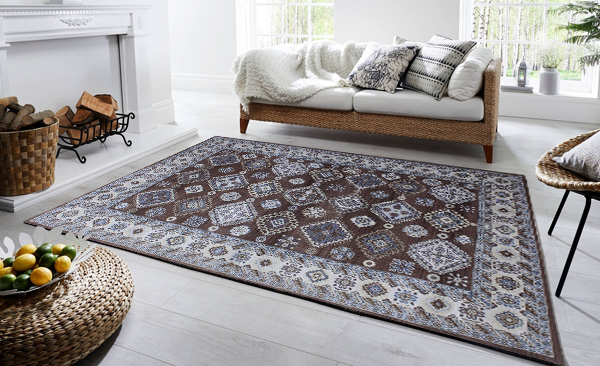
Selecting the ideal rug requires careful consideration of several factors. Size is one of the most important aspects. A rug should complement the dimensions of a room without overwhelming the space or appearing too small.
Color and design are equally important. Homeowners should consider existing furniture, wall colors, and decorative accents when choosing a pattern. Traditional designs can create a classic atmosphere, while simpler styles may suit contemporary interiors.
Material selection also influences the rug’s appearance and performance. Wool rugs offer durability and comfort, making them suitable for high-traffic areas. Silk rugs provide unmatched elegance but may require more careful maintenance.
Authenticity is another key consideration. Buyers should examine knot density, craftsmanship, and material quality when evaluating a rug. Authentic handmade pieces often display slight variations that reflect the artisan’s individual touch.
Taking the time to evaluate these factors ensures that buyers select a rug that meets both practical needs and aesthetic preferences.
Caring for Persian Rugs
Proper maintenance is essential for preserving the beauty and longevity of Persian rugs. Regular care helps protect their fibers, colors, and structural integrity while ensuring they remain attractive for years.
Vacuuming should be performed gently to remove dust and debris without damaging delicate fibers. Rotating the rug periodically helps distribute wear evenly, especially in areas with heavy foot traffic.
Spills should be addressed immediately to prevent staining. Blotting with a clean cloth is generally recommended rather than rubbing, which can spread the stain and damage fibers. Professional cleaning may be necessary for deep stains or extensive dirt accumulation.
Exposure to direct sunlight should be minimized whenever possible. Prolonged sunlight can cause colors to fade over time, reducing the rug’s visual appeal. Using curtains or repositioning the rug can help protect it from excessive UV exposure.
With consistent care and proper maintenance, a Persian rug can remain a treasured household centerpiece for generations.
Why Persian Rugs Remain Popular Today
Despite changing design trends, persian rugs continue to enjoy widespread popularity. Their enduring appeal stems from a combination of artistry, quality, and versatility that transcends fashion cycles.
Modern interior designers frequently incorporate Persian rugs into contemporary spaces to create contrast and character. Their rich patterns complement minimalist furnishings while adding warmth and texture to modern environments.
Consumers also appreciate the authenticity and craftsmanship associated with handmade products. In an age dominated by mass production, Persian rugs offer a connection to traditional artistry and cultural heritage.
Additionally, their durability and long-term value make them practical purchases. Unlike many decorative items that require frequent replacement, a well-maintained Persian rug can last for decades while retaining its beauty and usefulness.
These qualities ensure that Persian rugs remain cherished possessions among homeowners, collectors, and design enthusiasts worldwide.
Conclusion
Persian rugs represent a remarkable blend of history, artistry, and functionality. Their intricate designs, handcrafted quality, and cultural significance have made them treasured decorative pieces for centuries. Whether used to enhance a traditional home or add character to a contemporary space, these rugs offer unmatched beauty and durability.
Investing in persian rugs means acquiring more than a floor covering—it means owning a piece of artistic heritage. With proper care and thoughtful selection, these timeless creations can provide elegance, comfort, and value for generations. Their enduring popularity serves as a testament to the extraordinary craftsmanship and cultural richness that define every authentic Persian rug.