

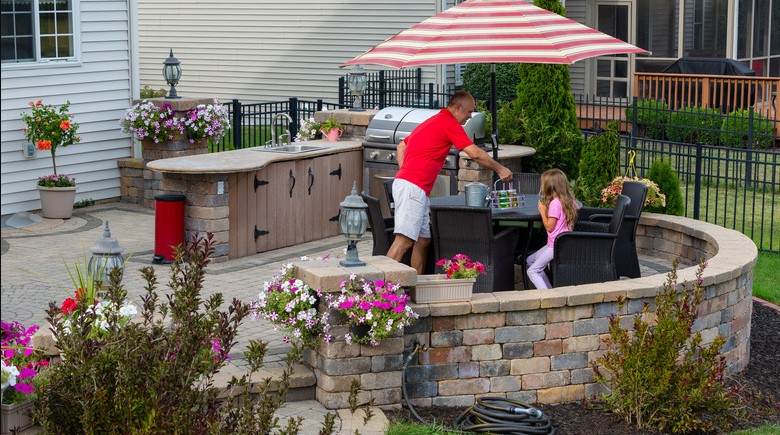
Outdoor living spaces have become a major focus for homeowners in recent years. As people look for ways to maximize their property’s functionality and entertainment value, outdoor kitchens have emerged as one of the most desirable additions. At the center of many modern outdoor cooking spaces is the outdoor kitchen island, a feature that combines convenience, style, and practicality in a single design element.
An outdoor cooking area is no longer limited to a simple grill placed on a patio. Today’s homeowners are investing in sophisticated setups that include food preparation zones, storage cabinets, seating areas, sinks, and even refrigeration. A thoughtfully designed outdoor kitchen island creates a central hub where cooking, dining, and socializing can happen seamlessly.
As outdoor living trends continue to evolve in 2026, homeowners are prioritizing durable materials, energy-efficient appliances, and flexible layouts. Whether you have a spacious backyard or a compact patio, adding an island can significantly improve both the functionality and visual appeal of your outdoor space.
Why Outdoor Kitchen Islands Are So Popular
The growing popularity of outdoor kitchens is closely tied to changing lifestyles. More families are choosing to spend quality time at home while creating experiences that feel similar to dining out or vacationing. An outdoor kitchen allows homeowners to entertain guests without constantly moving between the indoor kitchen and outdoor seating area.
An outdoor kitchen island serves as the centerpiece of this experience. It provides a dedicated space for preparing meals, serving food, and interacting with family members or guests while cooking. Instead of being isolated behind a grill, the cook becomes part of the conversation and activities taking place outdoors.
Additionally, outdoor kitchens can increase property value. Many real estate professionals consider outdoor living enhancements a desirable feature that appeals to potential buyers, particularly in regions with favorable weather conditions.
Key Features of a Modern Outdoor Kitchen Island
Today’s outdoor kitchen islands are designed to be multifunctional. Homeowners are looking for solutions that offer both convenience and durability while complementing their outdoor décor.
Cooking and Preparation Areas
One of the primary purposes of an island is to provide ample workspace. Dedicated preparation surfaces make it easier to handle ingredients, organize cooking tools, and prepare meals efficiently. Granite, concrete, and porcelain countertops remain popular because they can withstand outdoor conditions while maintaining an attractive appearance.
A spacious preparation area also reduces clutter and improves workflow during gatherings or family meals.
Built-In Appliances
Modern outdoor kitchens often include integrated appliances that transform a simple grilling station into a complete cooking environment. Depending on the available budget and space, homeowners may incorporate:
- Built-in grills and side burners
- Outdoor refrigerators
- Ice makers
- Sinks with running water
- Pizza ovens
These additions make the outdoor cooking experience more convenient and enjoyable while reducing the need to access indoor facilities.
Choosing the Right Layout
Selecting the proper layout is one of the most important decisions when designing an outdoor kitchen. The layout should support your cooking habits, entertainment style, and available outdoor space.
Straight Island Design
A straight island design is ideal for smaller patios or compact backyards. This layout keeps everything accessible while maximizing available space. It works particularly well for homeowners who primarily use their outdoor area for casual gatherings and family meals.
L-Shaped Configuration
An L-shaped outdoor kitchen island offers additional counter space and creates distinct zones for cooking and food preparation. This layout encourages better traffic flow and allows multiple people to use the space comfortably at the same time.
U-Shaped Layout
For larger outdoor entertainment areas, a U-shaped design provides maximum functionality. It surrounds the cook with preparation surfaces, storage, and appliances, creating an efficient workstation. This configuration is especially useful for homeowners who frequently host parties and outdoor events.
Best Materials for Long-Term Durability
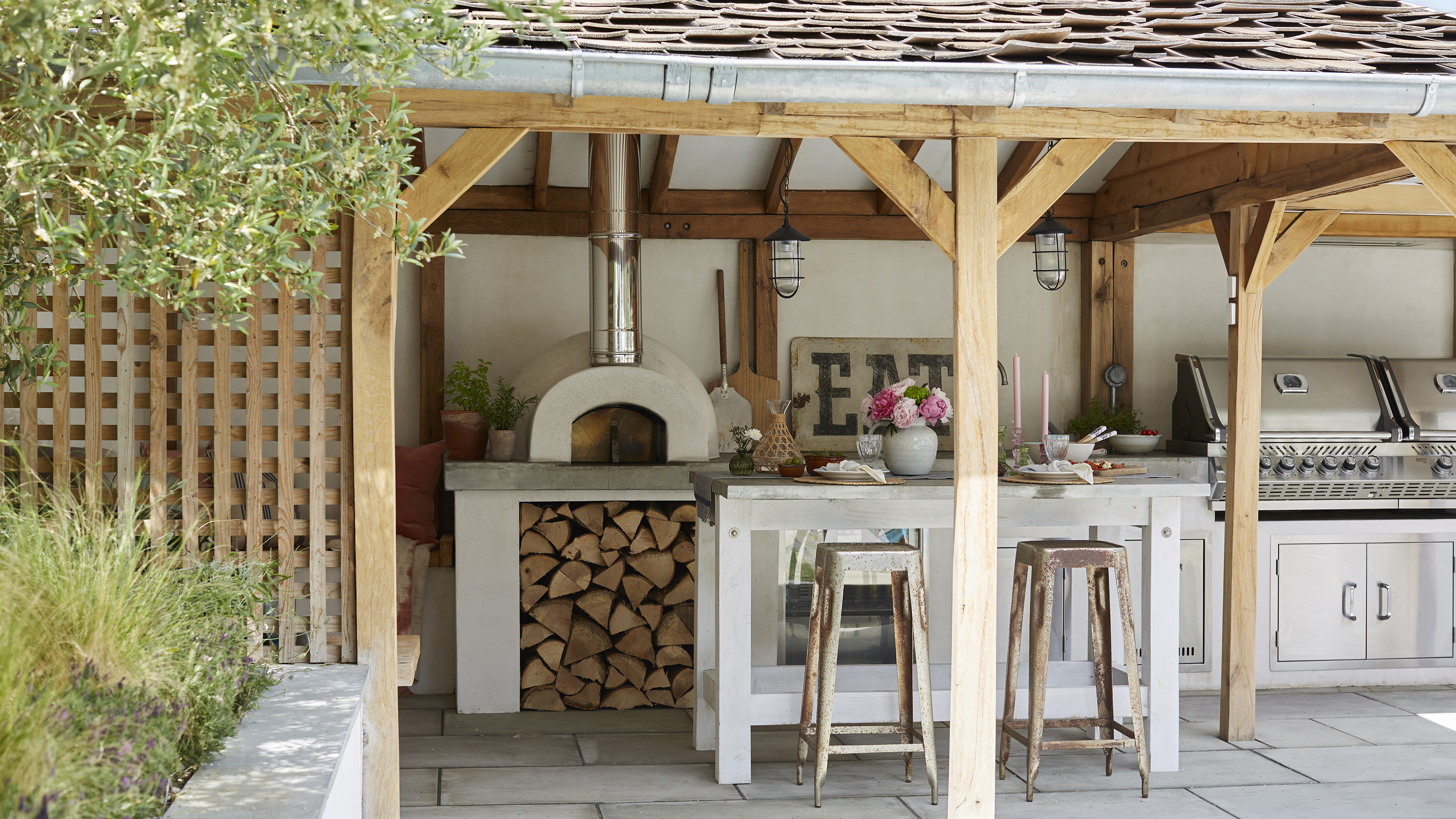
Outdoor kitchens are exposed to sun, rain, wind, and temperature fluctuations. Choosing weather-resistant materials is essential for maintaining appearance and performance over time.
| Component | Recommended Materials | Benefits |
|---|---|---|
| Countertops | Granite, Porcelain, Concrete | Durable and weather-resistant |
| Cabinets | Stainless Steel, Marine-Grade Polymer | Resistant to moisture and corrosion |
| Flooring | Natural Stone, Pavers, Concrete | Long-lasting and slip-resistant |
| Structure | Concrete Blocks, Steel Framing | Strong structural support |
| Finishes | Powder-Coated Surfaces | Improved durability and appearance |
Investing in quality materials may increase initial costs but often reduces maintenance and replacement expenses in the long run.
Storage Solutions That Improve Functionality
Storage is frequently overlooked during the planning process. However, adequate storage can significantly improve the usability of an outdoor kitchen.
Weather-resistant cabinets help protect cooking utensils, serving dishes, and grilling accessories from environmental damage. Drawers designed specifically for outdoor use keep tools organized while maintaining easy access during meal preparation.
Another advantage of incorporating storage into an outdoor kitchen island is reducing trips back and forth to the indoor kitchen. Keeping essential supplies outdoors improves efficiency and enhances the overall cooking experience.
Seating and Entertainment Options
A well-designed island often serves as more than just a cooking station. It can become the primary gathering spot for friends and family.
Adding bar-height seating creates an inviting atmosphere where guests can relax while meals are being prepared. This arrangement encourages conversation and interaction, making outdoor cooking a more social activity.
Popular seating features include:
- Built-in bar counters
- Comfortable outdoor stools
- Extended countertop overhangs
- Integrated dining areas
- Fire feature seating zones nearby
Combining cooking and seating areas transforms the outdoor kitchen into a complete entertainment destination.
Smart Technology in Outdoor Kitchens
Technology continues to influence outdoor living spaces in 2026. Homeowners are increasingly integrating smart features that improve convenience and efficiency.
Smart grills allow users to monitor cooking temperatures through mobile applications. Wi-Fi-enabled thermometers provide real-time updates, helping ensure perfectly cooked meals. Outdoor-rated speakers and smart lighting systems further enhance the overall atmosphere.
A modern outdoor kitchen island can also include charging stations and weather-protected power outlets, making it easier to accommodate today’s connected lifestyles.
Lighting Considerations
Lighting plays a crucial role in both safety and aesthetics. Proper illumination allows cooking activities to continue comfortably after sunset while enhancing the visual appeal of the outdoor space.
Task lighting should focus on cooking and preparation surfaces, ensuring visibility during food preparation. Ambient lighting creates a welcoming environment, while accent lighting highlights architectural details and landscaping features.
LED lighting remains a preferred choice because of its energy efficiency, long lifespan, and versatility.
Sustainability and Eco-Friendly Design
Sustainability has become a significant consideration for homeowners designing outdoor spaces. Many people are seeking environmentally responsible solutions that reduce energy consumption and minimize environmental impact.
Energy-efficient appliances, recycled materials, and water-saving fixtures are becoming standard features in outdoor kitchen projects. Solar-powered lighting systems offer additional opportunities to improve sustainability while reducing operating costs.
An environmentally conscious outdoor kitchen island not only benefits the planet but may also lower long-term maintenance and utility expenses.
Budget Planning for an Outdoor Kitchen Island
The cost of building an outdoor kitchen varies significantly based on size, materials, appliances, and customization options. Homeowners should establish a clear budget before beginning the design process.
Basic islands with limited appliances can be relatively affordable, while luxury installations featuring premium finishes, refrigeration systems, and advanced technology may require a larger investment.
When evaluating costs, it is important to consider not only installation expenses but also long-term maintenance requirements. Durable materials often provide better value over time despite higher upfront costs.
Common Mistakes to Avoid
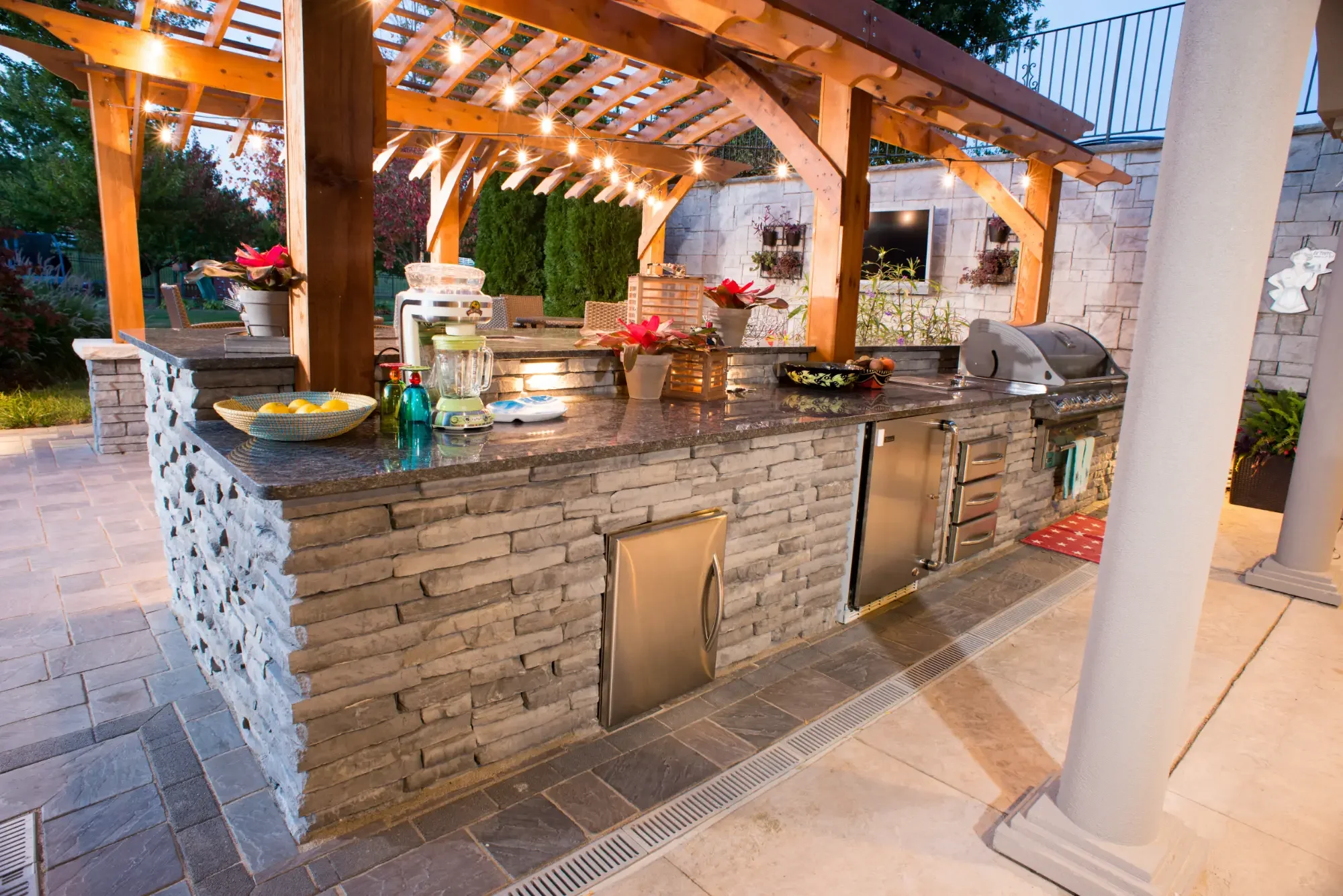
Many outdoor kitchen projects encounter challenges because of poor planning. Understanding common mistakes can help homeowners achieve better results.
One frequent error is underestimating the amount of workspace required for meal preparation. Another is selecting materials that are not designed for outdoor exposure. Inadequate lighting and insufficient storage can also limit functionality.
Additionally, failing to account for local weather conditions may lead to premature wear and increased maintenance costs. Proper planning ensures that the finished kitchen remains attractive and functional for years to come.
Outdoor Kitchen Island Trends for 2026
Current trends emphasize versatility, comfort, and seamless integration with outdoor living spaces. Homeowners are moving away from basic grilling stations and investing in comprehensive outdoor environments.
Natural finishes, mixed-material designs, and larger entertainment-focused layouts continue to gain popularity. Integrated refrigeration, concealed storage, and smart technology features are also becoming increasingly common.
Many designers are incorporating natural stone, warm wood accents, and minimalist aesthetics to create spaces that blend harmoniously with surrounding landscapes.
FAQs
What is the ideal size for an outdoor kitchen island?
The ideal size depends on available space and intended use. Smaller patios may accommodate compact islands, while larger entertainment areas can support expansive designs with multiple appliances and seating arrangements. The goal is to maintain comfortable movement around the island while providing adequate workspace.
Which countertop material is best for outdoor use?
Granite and porcelain are among the most popular choices because they resist weather damage, heat, and stains. Concrete is another durable option that offers customization opportunities while maintaining strong performance outdoors.
Does an outdoor kitchen increase home value?
In many markets, outdoor living improvements can enhance property appeal and potentially increase resale value. Buyers often view outdoor kitchens as desirable amenities that support entertaining and family gatherings.
How much maintenance does an outdoor kitchen require?
Maintenance requirements vary depending on materials and climate conditions. Regular cleaning, appliance inspections, and protective coverings can help extend the life of outdoor kitchen components and preserve their appearance.
Can an outdoor kitchen be used year-round?
In many regions, outdoor kitchens can be used throughout the year. Seasonal adjustments, weather protection, and heating solutions may help maintain comfort and functionality during colder months.
Is a permit required to build an outdoor kitchen island?
Permit requirements vary by location and project scope. Homeowners should consult local building authorities before beginning construction to ensure compliance with applicable regulations.
Conclusion
An outdoor kitchen island is more than a cooking station—it is a valuable extension of the home that enhances outdoor living, entertaining, and everyday convenience. With thoughtful planning, durable materials, and modern features, homeowners can create a functional space that supports both casual family meals and large social gatherings.
Read More:-Kitchen Island Lighting Ideas for a Stylish and Functional Home