


Introduction
The modern workplace has evolved significantly over the past decade, and businesses now understand the importance of creating functional and attractive office environments. One of the most critical elements in achieving this goal is office furniture design. Well-designed furniture not only enhances the visual appeal of a workspace but also improves employee comfort, productivity, and overall well-being.
Today’s offices are no longer filled with bulky desks and uncomfortable chairs. Instead, companies are investing in ergonomic seating, flexible workstations, collaborative furniture, and stylish storage solutions that support modern work habits. Whether you operate a small startup or a large corporation, selecting the right furniture can have a direct impact on workplace efficiency and employee satisfaction.
In this article, we will explore the latest trends, benefits, and practical ideas related to office furniture. From ergonomic considerations to space-saving solutions, you’ll discover how thoughtful furniture choices can transform any workspace into a productive and inspiring environment.
Importance of Office Furniture in Workplace Success
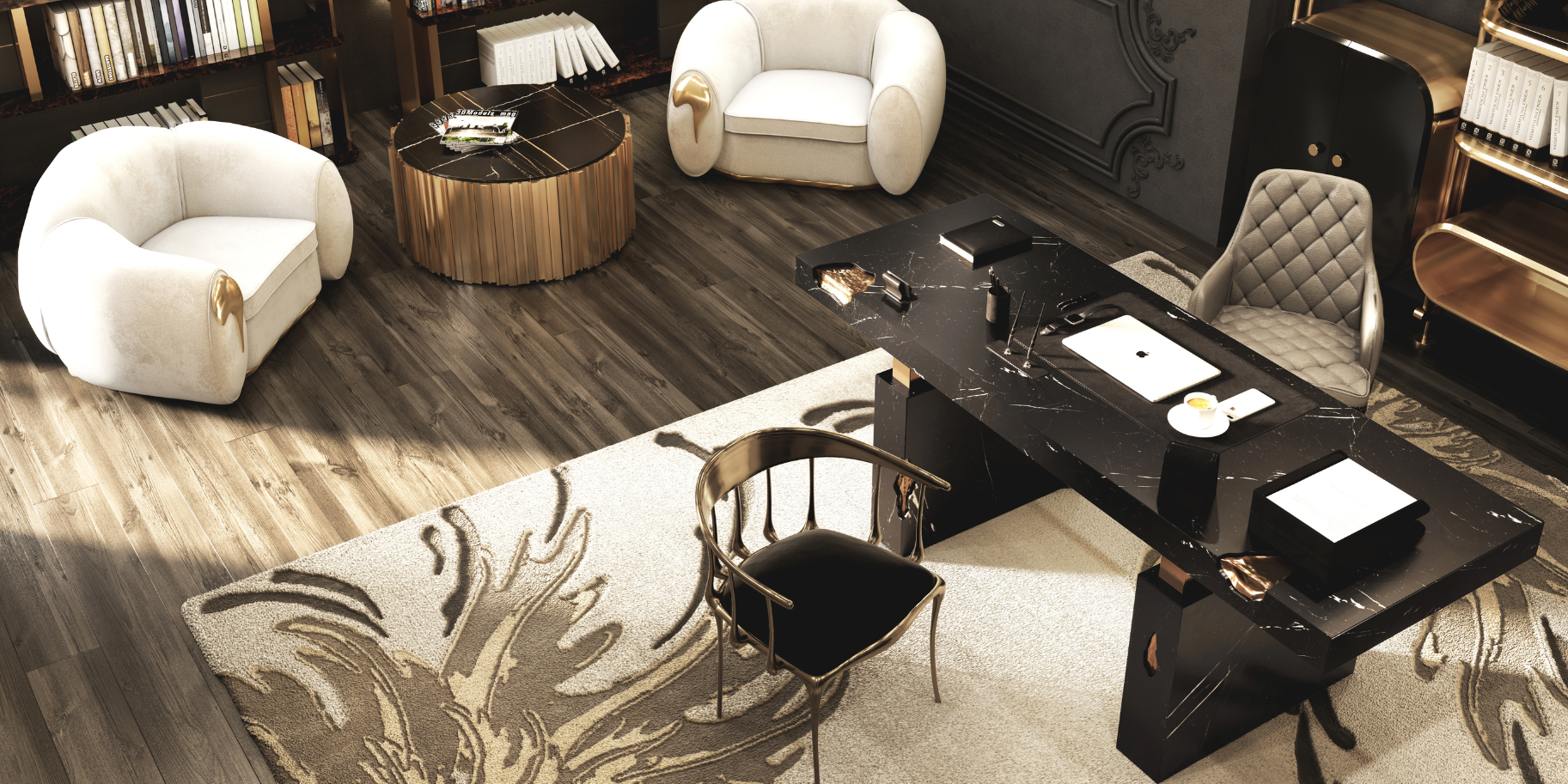
Furniture plays a much larger role in an office than simply providing a place to sit or work. The right furnishings influence employee comfort, concentration, and collaboration. Poorly designed furniture can lead to discomfort, reduced productivity, and even long-term health issues such as back pain and poor posture.
An effective office furniture design strategy focuses on balancing functionality with aesthetics. Employees spend many hours each day at their desks, making it essential to provide supportive seating and work surfaces that encourage proper posture. Comfortable employees tend to stay focused for longer periods and experience fewer physical complaints.
Additionally, furniture contributes to the overall image of a company. Clients and visitors often form first impressions based on office appearance. Modern, organized, and stylish furnishings communicate professionalism and attention to detail. As workplace expectations continue to evolve, investing in quality office furniture becomes an essential part of business success.
Key Elements of Modern Office Furniture Design
Modern workplaces require furniture that adapts to changing work styles and business needs. Several essential elements define successful office furniture today.
Ergonomics remains one of the most important considerations. Adjustable chairs, sit-stand desks, and monitor supports help employees maintain healthy working positions throughout the day. Flexibility is another major factor, allowing offices to accommodate individual work, team collaboration, and hybrid work arrangements.
Storage solutions have also evolved. Contemporary offices prioritize clean and organized environments, making efficient storage systems essential. Cabinets, modular shelving, and integrated storage desks help reduce clutter while maximizing available space.
Another defining characteristic of modern office furniture design is simplicity. Clean lines, neutral colors, and minimalist structures create a professional appearance without overwhelming the workspace. These elements work together to create environments that support both productivity and comfort.
Ergonomic Furniture for Employee Well-Being
Employee health and well-being have become top priorities for organizations worldwide. Ergonomic furniture helps reduce workplace injuries and promotes better physical comfort throughout the workday.
Ergonomic chairs feature adjustable seat heights, lumbar support, armrests, and reclining functions. These features help maintain spinal alignment and reduce strain on muscles and joints. Similarly, adjustable desks allow employees to alternate between sitting and standing positions, minimizing fatigue and improving circulation.
The importance of ergonomics extends beyond physical comfort. Employees who feel comfortable at work often experience improved focus and higher job satisfaction. Reduced discomfort also contributes to lower absenteeism and increased productivity.
Businesses that incorporate ergonomic principles into their office furniture design strategies demonstrate a commitment to employee welfare. This investment can lead to stronger workplace morale, better performance, and long-term organizational benefits.
Space-Saving Furniture Solutions
Office space is often one of the most valuable resources for businesses. Maximizing available space without compromising functionality requires thoughtful furniture selection.
Modular furniture systems are particularly effective for optimizing office layouts. These systems can be reconfigured as business needs change, making them ideal for growing organizations. Foldable desks, stackable chairs, and mobile storage units provide additional flexibility.
Multi-functional furniture is another popular solution. Desks with built-in storage, collaborative workstations, and convertible meeting tables help businesses make efficient use of limited space. Open-plan offices especially benefit from furniture that serves multiple purposes while maintaining a clean appearance.
Effective office furniture design considers both current and future workspace requirements. By selecting adaptable and space-efficient furnishings, businesses can create organized environments that support productivity while reducing unnecessary clutter.
Collaborative Furniture for Team Productivity

Modern workplaces increasingly emphasize teamwork and collaboration. Furniture designed specifically for group interaction can significantly enhance communication and creativity among employees.
Collaborative furniture includes modular seating arrangements, shared workstations, lounge areas, and flexible meeting tables. These furnishings encourage employees to exchange ideas and work together more effectively. Comfortable collaborative spaces also create a more welcoming and inclusive workplace culture.
Technology integration has become another important aspect of collaborative furniture. Many modern tables and seating units include power outlets, charging stations, and cable management systems that support digital workflows.
Successful office furniture design recognizes the importance of balancing private workspaces with collaborative areas. By providing dedicated zones for teamwork, organizations can foster innovation while maintaining overall workplace efficiency.
Choosing Materials and Finishes
The materials used in office furniture influence durability, maintenance requirements, and overall appearance. Selecting high-quality materials ensures that furniture remains functional and attractive for years.
Wood remains a popular choice due to its timeless appeal and durability. Metal components provide strength and a modern aesthetic, while glass surfaces create an open and sophisticated look. Upholstered seating adds comfort and can introduce color and texture into the office environment.
Sustainability has also become an important consideration. Many organizations now prefer furniture made from recycled materials or sourced from environmentally responsible manufacturers. Sustainable choices support corporate social responsibility goals while reducing environmental impact.
When planning an office furniture design project, businesses should carefully evaluate material options based on budget, functionality, maintenance needs, and desired visual style.
Office Furniture Trends Shaping Modern Workplaces
The future of office furniture continues to evolve alongside workplace trends. Hybrid work arrangements, wellness initiatives, and technological advancements are influencing furniture design in significant ways.
Height-adjustable desks remain highly popular as organizations prioritize employee health. Acoustic furniture solutions are also gaining attention, helping reduce noise levels in open-plan environments. Privacy pods and focus booths provide quiet spaces for concentrated work and virtual meetings.
Biophilic design is another growing trend. Furniture combined with natural materials and integrated greenery helps create healthier and more inviting workplaces. This approach has been linked to improved employee well-being and reduced stress.
As businesses continue adapting to new work models, innovative office furniture design solutions will play a crucial role in creating flexible, comfortable, and efficient workspaces.
Tips for Selecting the Right Office Furniture
Choosing office furniture requires careful planning and consideration. Businesses should begin by evaluating workspace size, employee needs, and operational goals. Understanding how employees interact with their environment helps guide furniture decisions.
Budget planning is equally important. While high-quality furniture may require a larger initial investment, it often provides better durability and long-term value. Organizations should also prioritize ergonomics and flexibility to ensure furnishings remain effective as workplace needs evolve.
Testing furniture before purchasing can help identify comfort and usability issues. Additionally, considering future growth ensures that furniture investments continue supporting business operations over time.
A successful office furniture design plan balances aesthetics, comfort, functionality, and cost-effectiveness. This approach creates a workplace that supports both employee satisfaction and organizational performance.
Conclusion
Office furniture has become an essential component of modern workplace strategy. Beyond appearance, furniture directly influences productivity, comfort, collaboration, and employee well-being. Organizations that invest in thoughtful furniture solutions create environments where employees can perform at their best.
From ergonomic seating and flexible workstations to collaborative spaces and sustainable materials, modern furniture options offer countless opportunities to improve workplace efficiency. By focusing on functionality, adaptability, and design quality, businesses can create offices that meet the demands of today’s workforce.
Ultimately, effective office furniture design serves as a foundation for a productive, professional, and inspiring work environment. As workplace trends continue to evolve, organizations that prioritize smart furniture choices will remain better positioned for long-term success.