

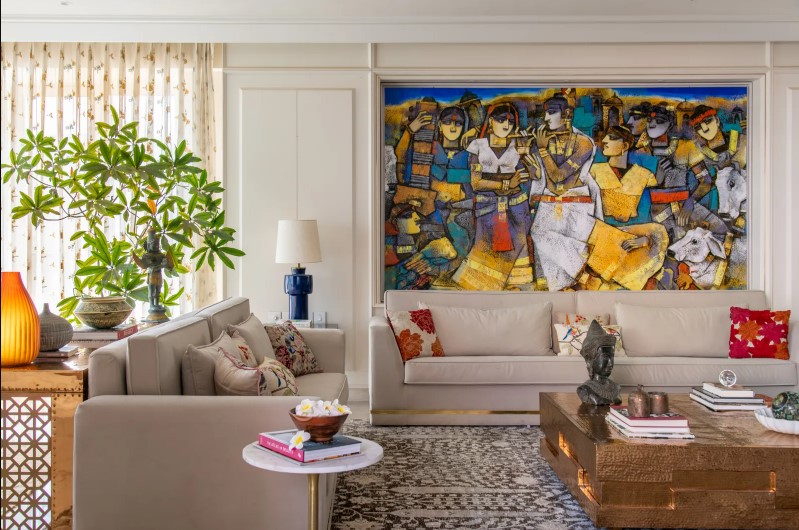
Wall art is one of the most effective ways to transform a living room from ordinary to visually appealing. Whether you prefer modern, traditional, minimalist, or eclectic interiors, choosing the right wall art can create a focal point and reflect your personality. Understanding how to design a wall art for living room helps you achieve balance, harmony, and style while enhancing the overall atmosphere of your home.
The living room is often the most frequently used space in a house, making it essential to create an inviting environment. Wall art serves as a decorative element that ties furniture, colors, and textures together. From framed prints and paintings to gallery walls and sculptures, there are countless options available. By following a thoughtful design approach, you can create a stunning wall display that elevates the appearance of your living room.
Why Wall Art Matters in Living Room Design
Wall art does more than fill empty walls. It adds character, creates visual interest, and helps establish the mood of a room. A carefully selected piece can become the focal point that draws attention and complements the surrounding décor.
When planning how to design a wall art for living room, consider the room’s size, color palette, and furniture arrangement. Large artwork can make a dramatic statement, while smaller pieces grouped together can create a sophisticated gallery effect. The right wall art also enhances the perceived value of your interior design and gives guests insight into your personal taste.
Additionally, wall art can make a room feel complete. Without decorative elements on walls, even well-furnished spaces may appear unfinished or lacking personality. By incorporating art thoughtfully, you create a cohesive and welcoming environment.
Understanding Your Living Room Style
Before selecting artwork, identify your interior design style. Different art styles complement different décor themes.
| Living Room Style | Recommended Wall Art |
|---|---|
| Modern | Abstract paintings, geometric prints |
| Traditional | Landscapes, classic portraits |
| Minimalist | Simple line art, monochrome prints |
| Industrial | Metal art, urban photography |
| Bohemian | Colorful textiles, eclectic gallery walls |
| Scandinavian | Nature-inspired artwork, neutral prints |
Matching artwork to your room style creates visual harmony. For example, sleek abstract art works beautifully in contemporary interiors, while vintage-inspired paintings suit traditional spaces.
Understanding your style provides a strong foundation when learning how to design a wall art for living room because it ensures consistency throughout the space.
Choosing the Right Size of Wall Art
Size plays a crucial role in wall art design. Artwork that is too small may look insignificant, while oversized pieces can overwhelm the room.
A common rule is that wall art should occupy approximately 60% to 75% of the available wall space. For example, if your sofa measures 90 inches wide, the artwork above it should be around 54 to 67 inches wide.
Consider these sizing guidelines:
- Large walls benefit from oversized artwork.
- Medium walls work well with paired pieces.
- Small walls are ideal for compact art arrangements.
- Gallery walls can fill larger areas creatively.
- Leave sufficient breathing room around artwork.
Proper sizing helps create balance and ensures the artwork feels integrated into the overall design.
Selecting the Perfect Color Palette
Color is one of the most important aspects of wall art design. The artwork should either complement or contrast the existing color scheme.
When choosing colors:
- Match accent colors already present in the room.
- Use complementary colors for visual interest.
- Select neutral artwork for timeless appeal.
- Consider warm colors for energy.
- Choose cool tones for a relaxing atmosphere.
If your living room features neutral furniture, vibrant wall art can become a striking focal point. Conversely, colorful interiors may benefit from more subtle artwork to prevent visual clutter.
Learning how to design a wall art for living room includes understanding how color influences mood and aesthetics.
Creating a Gallery Wall
Gallery walls remain one of the most popular decorating trends. They allow homeowners to display multiple pieces while showcasing personal interests and memories.
Start by collecting artwork, photographs, and decorative items that share a common theme or color palette. Arrange them on the floor before hanging to determine the most pleasing composition.
:max_bytes(150000):strip_icc()/gallery-wall-GettyImages-1211109322-1c5d81f4d2944f3a8d3b4c3423d4f014.jpg)
Popular gallery wall layouts include:
Symmetrical Layout
- Balanced arrangement
- Suitable for formal interiors
- Creates a clean appearance
Asymmetrical Layout
- More relaxed and artistic
- Works well in modern spaces
- Encourages creativity
Grid Layout
- Uniform spacing
- Ideal for matching frames
- Produces a structured look
A gallery wall provides flexibility and allows you to update pieces over time.
Choosing Different Types of Wall Art
There are numerous forms of wall art available, each offering unique visual appeal.
| Art Type | Benefits |
|---|---|
| Canvas Prints | Modern and versatile |
| Framed Artwork | Elegant and timeless |
| Metal Art | Contemporary and durable |
| Wall Sculptures | Adds dimension |
| Photography | Personal and meaningful |
| Textile Art | Warm and textured |
Mixing different art forms can add depth and personality to your living room. However, maintaining a cohesive color palette ensures the arrangement feels intentional rather than random.
Finding the Ideal Placement
Placement significantly impacts how wall art is perceived. The center of the artwork should generally be positioned at eye level, approximately 57 to 60 inches from the floor.
For artwork above furniture:
- Leave 6 to 12 inches of space above sofas.
- Center pieces relative to furniture.
- Avoid placing artwork too high.
- Maintain consistent spacing between grouped pieces.
When considering how to design a wall art for living room, placement is just as important as selecting the artwork itself.
Proper positioning creates visual balance and enhances the room’s functionality.
Using Wall Art as a Focal Point
Every living room benefits from a focal point. Wall art is often the easiest way to establish one.
Large statement pieces naturally draw attention and can anchor the entire room design. Position the artwork on the most prominent wall and arrange furniture around it.
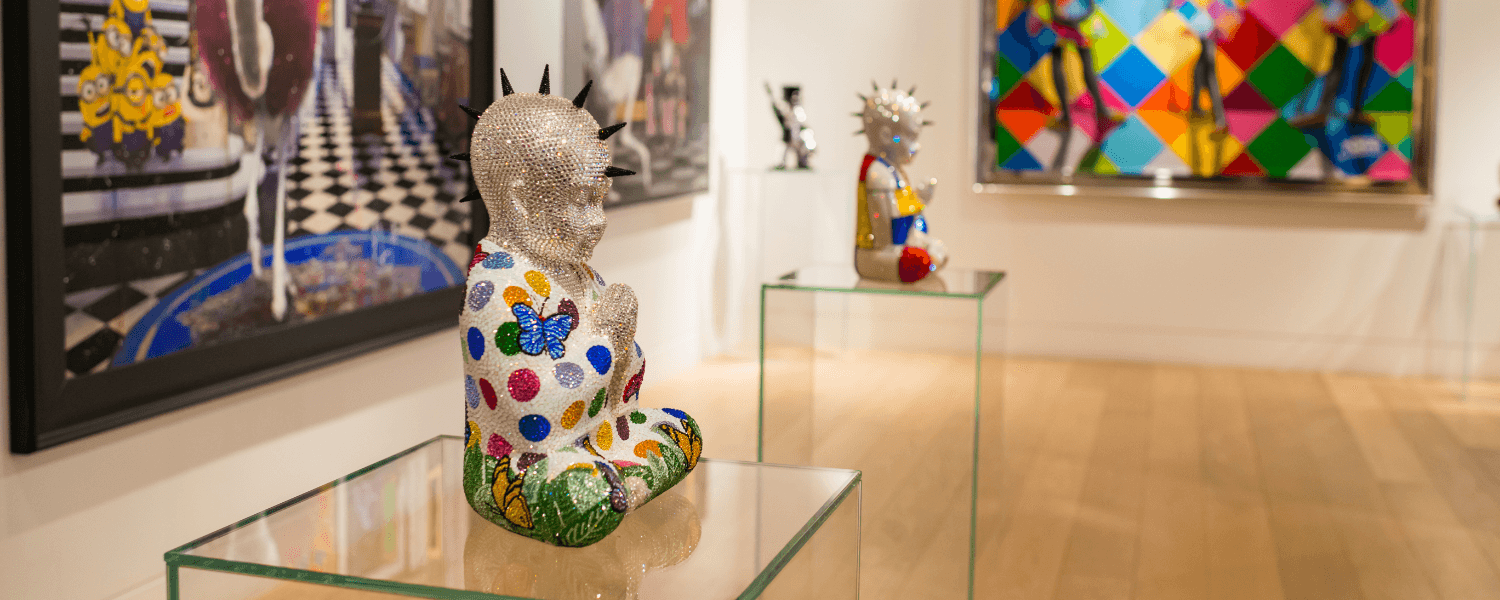
Effective focal-point artwork includes:
- Oversized abstract paintings
- Large landscape prints
- Unique mixed-media pieces
- Dramatic black-and-white photography
- Decorative wall sculptures
A strong focal point provides direction for the rest of the room’s décor and creates a more organized appearance.
Incorporating Personal Style
Your wall art should reflect your personality and interests. Personalized displays create meaningful interiors that feel authentic and welcoming.
Consider incorporating:
- Family photographs
- Travel memories
- Handmade artwork
- Inspirational quotes
- Favorite artistic styles
Combining personal pieces with professionally created artwork results in a unique and curated look. This approach is an essential part of how to design a wall art for living room because it transforms decoration into self-expression.
Balancing Texture and Dimension
Flat artwork alone may not provide enough visual depth. Introducing texture and dimension creates a more dynamic design.
Options include:
- Woven wall hangings
- Wooden wall panels
- Metal sculptures
- Layered frames
- Three-dimensional installations
Texture adds warmth and visual interest while preventing walls from appearing monotonous. Combining different materials can elevate even the simplest living room design.
Common Mistakes to Avoid
Many homeowners make avoidable mistakes when decorating walls. Awareness of these issues can improve the final result.
Avoid These Errors
- Hanging artwork too high
- Choosing pieces that are too small
- Ignoring room proportions
- Overcrowding gallery walls
- Using unrelated color schemes
- Neglecting proper lighting
By avoiding these common mistakes, your wall art arrangement will appear more professional and cohesive.
Lighting Your Wall Art
Lighting enhances artwork and highlights its details. Proper illumination can dramatically improve the appearance of your living room.
Popular lighting options include:
- Picture lights
- Track lighting
- Recessed lighting
- Wall sconces
- Adjustable spotlights
Warm lighting creates a cozy atmosphere, while brighter lighting emphasizes colors and textures. Proper lighting is an often-overlooked aspect of how to design a wall art for living room, yet it significantly impacts the final presentation.
Budget-Friendly Wall Art Ideas
Creating beautiful wall art displays does not require a large budget.
Affordable options include:
- DIY artwork
- Printable digital art
- Framed posters
- Vintage market finds
- Photo collages
- Repurposed decorative objects
These solutions allow homeowners to achieve stylish results without significant expense. Creativity often matters more than cost when designing attractive wall displays.
Conclusion
Learning how to design a wall art for living room involves more than simply hanging pictures on a wall. It requires thoughtful consideration of style, size, color, placement, and personal expression. The right artwork can establish a focal point, enhance the room’s atmosphere, and create a cohesive design that reflects your personality.