

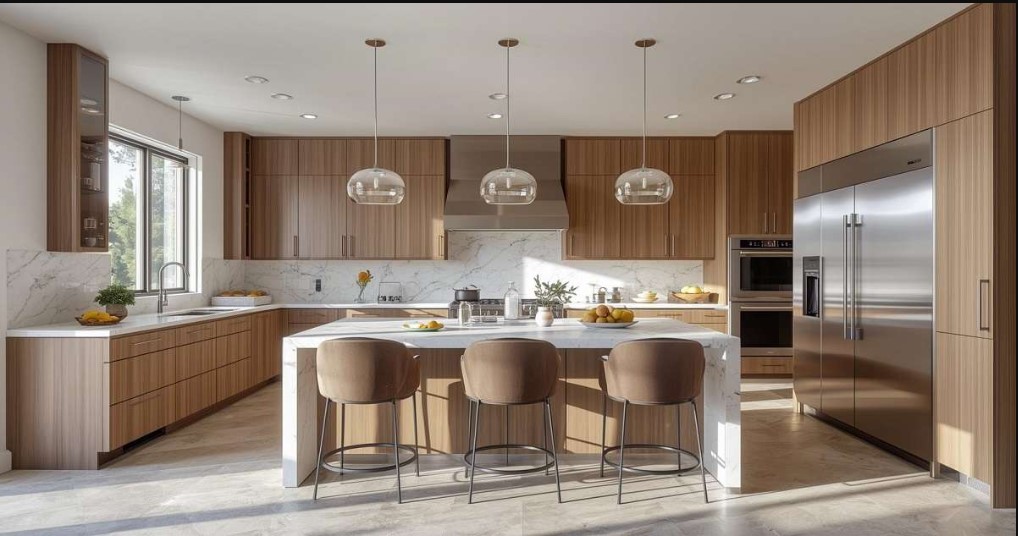
An open kitchen has become one of the most popular home design trends in recent years. Homeowners appreciate the spacious feel, improved social interaction, and seamless connection between cooking and living areas. Understanding how to design a open kitchen design can help you create a functional and attractive space that enhances your home’s overall appeal.
An open kitchen eliminates unnecessary walls and barriers, making the kitchen part of a larger living or dining area. This concept promotes better communication among family members and guests while making the home appear larger and brighter. However, designing an open kitchen requires careful planning to ensure proper functionality, storage, and visual harmony.
Whether you are remodeling an existing kitchen or building a new home, learning how to design a open kitchen design will help you maximize space, improve workflow, and create a welcoming atmosphere. This guide covers everything from layouts and storage solutions to lighting and décor ideas that can transform your kitchen into a stylish centerpiece of your home.
Understanding the Open Kitchen Concept
Before beginning the design process, it is important to understand what makes an open kitchen unique. Unlike traditional kitchens that are enclosed by walls, open kitchens flow directly into adjacent spaces such as dining rooms, living rooms, or family rooms.
This design style offers numerous advantages:
- Creates a spacious appearance
- Encourages social interaction
- Allows natural light to spread throughout the home
- Improves traffic flow
- Enhances home value
The challenge lies in maintaining organization and ensuring the kitchen blends seamlessly with surrounding areas. When considering how to design a open kitchen design, focus on creating visual continuity while preserving functionality.
An open kitchen should feel like a natural extension of the home’s living space. Matching colors, materials, and furniture styles throughout the connected areas helps achieve a cohesive look.
Choosing the Right Layout
The layout is the foundation of every successful open kitchen. Selecting the right arrangement depends on available space, lifestyle needs, and household size.
Common Open Kitchen Layouts
| Layout Type | Best For | Main Benefit |
|---|---|---|
| L-Shaped | Small to medium homes | Efficient use of corners |
| U-Shaped | Large kitchens | Maximum storage |
| Galley Open Kitchen | Narrow spaces | Efficient workflow |
| Island Kitchen | Open-plan homes | Additional workspace |
| Peninsula Kitchen | Compact areas | Space separation |
The kitchen work triangle—consisting of the sink, refrigerator, and stove—should remain efficient regardless of the chosen layout. Proper spacing between these elements minimizes movement and improves cooking efficiency.
Kitchen islands are particularly popular because they provide extra storage, seating, and preparation space while serving as a visual centerpiece.
Creating Functional Zones
One of the most important aspects of how to design a open kitchen design is creating clearly defined zones. Since walls are absent, zones help organize activities and maintain order.
Typical zones include:
- Cooking zone
- Preparation zone
- Cleaning zone
- Storage zone
- Dining zone
- Entertainment zone
Each area should have a specific purpose while remaining connected to the overall layout. For example, the cooking zone should be close to preparation surfaces, while storage should be easily accessible from all work areas.
Defining zones through furniture placement, flooring changes, or lighting can help maintain organization without disrupting the open feel.
Selecting the Perfect Kitchen Island
A kitchen island often serves as the centerpiece of an open kitchen. It provides both practical and aesthetic benefits.
Benefits of a Kitchen Island:
- Additional countertop space
- Extra storage cabinets
- Casual dining area
- Social gathering spot
- Space divider between rooms
When choosing an island, consider room dimensions carefully. There should be enough clearance around all sides for comfortable movement.
For larger homes, double islands may provide enhanced functionality. Smaller homes can benefit from compact islands with built-in storage and seating.
The island should complement the overall design while serving practical needs.
Maximizing Storage Solutions
Storage becomes especially important in open kitchens because clutter is more visible. Smart storage solutions help maintain a clean and organized appearance.
Effective Storage Ideas
| Storage Solution | Purpose |
|---|---|
| Pull-out drawers | Easy access |
| Tall pantry cabinets | Food storage |
| Corner organizers | Utilize unused space |
| Open shelving | Decorative storage |
| Island cabinets | Additional storage |
| Appliance garages | Hide small appliances |
Custom cabinetry can maximize every inch of available space. Deep drawers are often more practical than traditional lower cabinets because they improve accessibility.
When learning how to design a open kitchen design, prioritize storage options that reduce countertop clutter and maintain a streamlined appearance.
Choosing Colors and Materials
Color selection significantly influences the atmosphere of an open kitchen. Since the kitchen is visible from adjoining rooms, its color palette should complement the overall home design.
Popular color combinations include:
- White and wood tones
- Gray and black accents
- Beige and natural textures
- Navy blue and brass finishes
- Soft green and white cabinetry
Neutral colors create a timeless appearance while allowing flexibility with décor updates. Natural materials such as wood, stone, and quartz add warmth and texture.
Consistency between kitchen and living areas helps unify the entire open-plan space.
Lighting for an Open Kitchen
Lighting plays a critical role in both functionality and aesthetics. A well-lit kitchen feels larger, brighter, and more inviting.
Essential Lighting Layers
Ambient Lighting
Provides overall illumination throughout the space.
Task Lighting
Focuses on work areas such as countertops and cooking surfaces.
Accent Lighting
Highlights architectural features and decorative elements.
Decorative Lighting
Adds personality and style through statement fixtures.
Pendant lights above islands are especially popular because they combine functionality with visual appeal.
Natural light should also be maximized whenever possible. Large windows, glass doors, and skylights help brighten the entire open-concept area.
Integrating Dining and Living Areas
A successful open kitchen should connect naturally with adjoining spaces. Furniture arrangement plays a major role in achieving this goal.
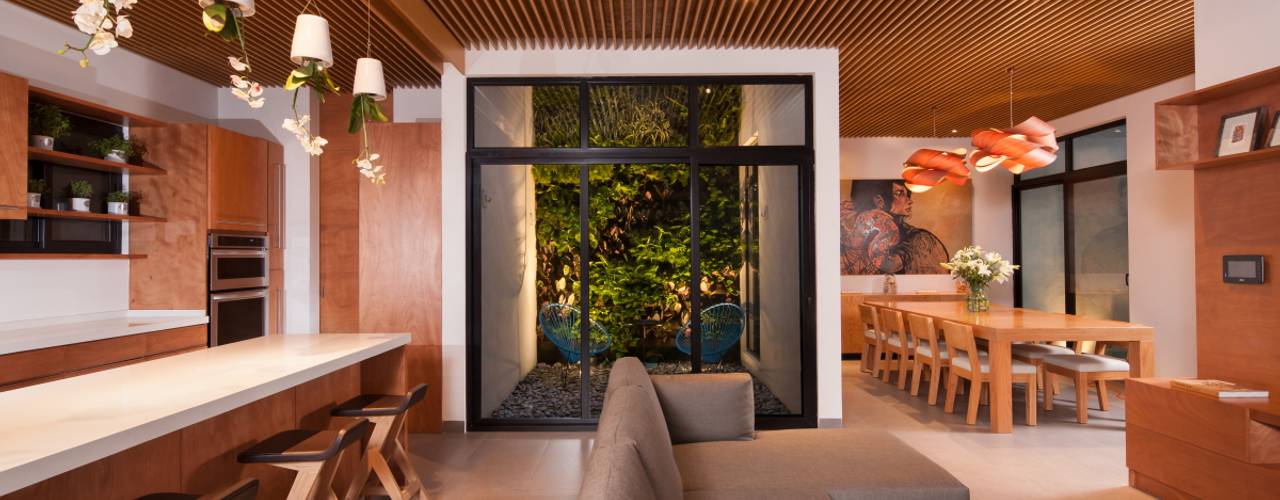
Consider the following strategies:
- Match color palettes across rooms
- Use consistent flooring materials
- Coordinate furniture styles
- Incorporate complementary décor
- Maintain visual balance
Area rugs can help define living spaces while preserving openness. Similarly, strategically placed furniture can create subtle boundaries without blocking sightlines.
Understanding how to design a open kitchen design involves balancing separation and connection within the larger living environment.
Choosing Appliances for an Open Kitchen
Appliance selection affects both performance and aesthetics. Since appliances are visible from surrounding rooms, appearance becomes more important.
Popular appliance choices include:
- Built-in refrigerators
- Integrated dishwashers
- Induction cooktops
- Wall ovens
- Quiet ventilation systems
Stainless steel remains a popular option due to its durability and modern appeal. Panel-ready appliances provide a seamless appearance by blending with cabinetry.
Noise control is particularly important in open kitchens because sounds can travel throughout the home. Quiet dishwashers and range hoods improve comfort significantly.
Decorating an Open Kitchen
Decorative elements help personalize the kitchen while enhancing its visual appeal.
Popular Decorative Features
- Indoor plants
- Decorative bowls
- Artwork
- Stylish bar stools
- Statement pendant lights
- Textured backsplashes
Avoid excessive decoration that may create visual clutter. Instead, focus on a few impactful elements that complement the overall design.
Open shelving can display attractive dishes, glassware, and decorative accessories while adding character to the space.
The goal is to create a kitchen that feels both functional and inviting.
Common Mistakes to Avoid
When designing an open kitchen, certain mistakes can reduce functionality and visual appeal.
Mistakes to Watch For
- Insufficient storage space
- Poor lighting design
- Overcrowded layout
- Lack of ventilation
- Mismatched décor styles
- Inadequate seating
- Ignoring workflow efficiency
Proper planning helps avoid these issues. Consider future needs and daily habits when making design decisions.
Investing time in thoughtful planning will result in a kitchen that remains functional and attractive for years.
Benefits of an Open Kitchen Design
Open kitchens offer numerous long-term advantages that continue to attract homeowners worldwide.
Key Benefits
| Benefit | Description |
|---|---|
| Better Social Interaction | Easier communication |
| Increased Natural Light | Brighter interior |
| Spacious Feel | Larger appearance |
| Improved Entertaining | Better guest interaction |
| Higher Property Value | Attractive to buyers |
| Flexible Layout | Adaptable living space |
These benefits make open kitchens a worthwhile investment for many households.
Learning how to design a open kitchen design allows homeowners to take full advantage of these features while creating a space tailored to their lifestyle.
Conclusion
Understanding how to design a open kitchen design involves much more than removing walls. It requires careful planning of layout, storage, lighting, materials, appliances, and décor to create a cohesive and functional living environment. A well-designed open kitchen improves social interaction, maximizes natural light, and enhances the overall appearance of the home.