

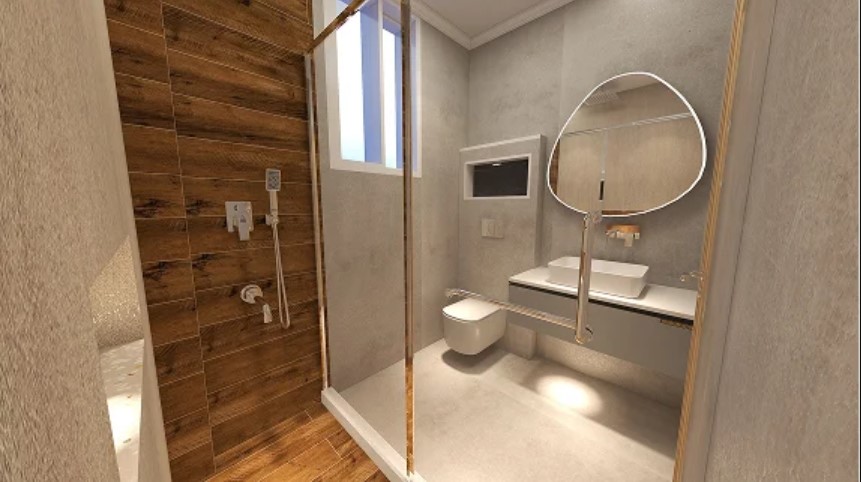
A bathroom renovation can transform one of the most important spaces in your home into a functional, comfortable, and visually appealing area. Whether you are updating an outdated bathroom, increasing property value, or creating a spa-like retreat, understanding how to design a bathroom renovation is essential for achieving successful results. A well-designed bathroom combines practicality with aesthetics while staying within budget and meeting your family’s daily needs.
Planning a bathroom remodel involves more than selecting tiles and fixtures. It requires careful consideration of layout, storage, lighting, ventilation, materials, and long-term maintenance. By taking a strategic approach, homeowners can avoid costly mistakes and ensure the renovation meets both current and future requirements. This guide explains every step of how to design a bathroom renovation, helping you create a space that balances beauty, efficiency, and durability.
Understanding Your Bathroom Renovation Goals
Before choosing colors or fixtures, clearly define the goals of your renovation project. Every homeowner has different priorities, and identifying them early helps guide the entire design process.
Some common renovation goals include:
- Improving functionality
- Increasing storage space
- Updating outdated features
- Enhancing energy efficiency
- Creating a luxury bathroom experience
- Increasing home resale value
When determining how to design a bathroom renovation, consider who will use the space most frequently. A family bathroom may require durable surfaces and additional storage, while a master bathroom may focus on comfort and luxury. Establishing clear objectives allows you to make informed decisions throughout the project and avoid unnecessary expenses.
Planning the Bathroom Layout
The layout is one of the most important aspects of bathroom design. An effective floor plan ensures comfortable movement while maximizing available space. Before moving plumbing fixtures, assess whether the existing arrangement works efficiently.
When learning how to design a bathroom renovation, pay close attention to the placement of the toilet, shower, bathtub, and vanity. Keeping major plumbing components in their existing locations can significantly reduce renovation costs. However, if the current layout feels cramped or inefficient, relocating fixtures may provide better functionality.
Consider the traffic flow within the bathroom. There should be adequate clearance around fixtures and enough space for doors and cabinets to open comfortably. Even in smaller bathrooms, thoughtful layout planning can create a more spacious and organized feel. Proper measurements and scale drawings can help visualize the final design before construction begins.
Setting a Realistic Renovation Budget
Budget planning is crucial for a successful renovation project. Establishing spending limits early helps prioritize essential upgrades and prevents unexpected financial strain.
Typical Bathroom Renovation Cost Factors
| Component | Cost Impact |
|---|---|
| Plumbing Changes | High |
| Flooring | Medium |
| Wall Tiles | Medium |
| Vanity Installation | Medium |
| Lighting Fixtures | Low to Medium |
| Shower Systems | Medium to High |
| Labor Costs | High |
When determining how to design a bathroom renovation, allocate a contingency fund of approximately 10–20% of the total budget. This reserve can cover unforeseen issues such as water damage, outdated plumbing, or structural repairs discovered during demolition.
A carefully planned budget allows homeowners to invest in high-quality materials where they matter most while controlling overall project costs.
Choosing the Right Materials
Material selection greatly influences the bathroom’s appearance, durability, and maintenance requirements. Since bathrooms are exposed to moisture and humidity daily, choosing water-resistant materials is essential.
Porcelain and ceramic tiles remain popular choices due to their durability and ease of maintenance. Natural stone can create a luxurious appearance but often requires additional sealing and upkeep. Waterproof paint, moisture-resistant drywall, and quality grout systems contribute to long-lasting performance.
As you explore how to design a bathroom renovation, consider balancing aesthetics with practicality. While trendy materials may look appealing today, timeless finishes often provide better long-term value. Neutral color palettes can also make future updates easier and appeal to a wider audience if you decide to sell your home.
Selecting Bathroom Fixtures and Features
Bathroom fixtures play a major role in both functionality and visual appeal. Modern options offer improved efficiency, comfort, and style.
Important fixtures to consider include:
- Toilets
- Sinks
- Vanities
- Showers
- Bathtubs
- Faucets
- Mirrors
When selecting fixtures, prioritize quality and durability. Water-efficient toilets and faucets can reduce utility bills while supporting environmental sustainability. Rainfall showerheads, floating vanities, and frameless glass enclosures are popular features that enhance modern bathroom designs.
Understanding how to design a bathroom renovation means carefully coordinating fixture styles to create a cohesive look. Matching finishes such as brushed nickel, matte black, or chrome can unify the overall design and create a polished appearance.
Maximizing Bathroom Storage
Storage is often overlooked during bathroom renovations, yet it significantly impacts daily functionality. Clutter-free bathrooms feel larger, cleaner, and more relaxing.
Effective storage solutions include built-in shelving, recessed niches, vanity drawers, medicine cabinets, and tall storage cabinets. Custom storage options can maximize every inch of available space, especially in smaller bathrooms.
When planning how to design a bathroom renovation, think about the items that need storage, including toiletries, towels, cleaning supplies, and personal care products. Incorporating dedicated storage zones helps maintain organization and prevents countertops from becoming overcrowded.
Well-designed storage not only improves functionality but also contributes to a cleaner and more sophisticated bathroom appearance.
Importance of Lighting Design
Lighting has a major influence on how a bathroom looks and functions. A successful lighting plan combines multiple layers to accommodate different activities and moods.
Recommended Bathroom Lighting Types
| Lighting Type | Purpose |
|---|---|
| Ambient Lighting | General illumination |
| Task Lighting | Grooming and makeup |
| Accent Lighting | Decorative highlights |
| Natural Lighting | Brightness and ventilation |
A combination of ceiling lights, vanity lights, and accent lighting creates balanced illumination throughout the room. Natural light can also enhance the bathroom’s atmosphere while reducing daytime energy consumption.
When considering how to design a bathroom renovation, avoid relying solely on a single overhead fixture. Layered lighting improves functionality and creates a more inviting environment suitable for both busy mornings and relaxing evenings.
Ventilation and Moisture Control
Bathrooms generate significant moisture, making proper ventilation essential. Without adequate airflow, humidity can lead to mold growth, peeling paint, and material deterioration.
A high-quality exhaust fan helps remove excess moisture and maintain indoor air quality. The fan should be appropriately sized for the bathroom’s square footage and ideally connected to a timer or humidity sensor.
An important aspect of how to design a bathroom renovation is ensuring that ventilation systems work effectively with windows, insulation, and moisture-resistant materials. Investing in proper ventilation protects your renovation investment and contributes to a healthier indoor environment.
Creating a Timeless Bathroom Design
Design trends come and go, but timeless bathrooms remain attractive and functional for many years. While incorporating some modern elements is perfectly acceptable, the foundation of the design should prioritize longevity.

Neutral colors, classic tile patterns, quality cabinetry, and elegant fixtures often stand the test of time. Simple design choices can make future updates easier and more affordable.
As you learn how to design a bathroom renovation, focus on creating a balanced aesthetic that reflects personal preferences without becoming overly dependent on short-lived trends. Timeless design not only enhances daily enjoyment but also supports long-term property value.
Common Bathroom Renovation Mistakes to Avoid
Even carefully planned renovations can encounter challenges if certain mistakes are overlooked.
Some common mistakes include:
- Ignoring storage requirements
- Choosing poor-quality materials
- Insufficient lighting
- Inadequate ventilation
- Unrealistic budgeting
- Poor space planning
- Following trends without considering functionality
Avoiding these issues can significantly improve the overall outcome of your project. Careful planning, professional guidance, and attention to detail are key factors in achieving renovation success.
Conclusion
Understanding how to design a bathroom renovation involves much more than selecting attractive finishes. Successful projects begin with clear goals, thoughtful layout planning, realistic budgeting, quality materials, effective storage solutions, proper lighting, and reliable ventilation. Every design decision should support both functionality and visual appeal while meeting the specific needs of the household.
By following a structured approach and focusing on long-term value, homeowners can create bathrooms that are comfortable, efficient, and stylish for years to come. Whether renovating a small guest bathroom or a luxurious master suite, applying these principles will help ensure a successful and rewarding renovation experience.