

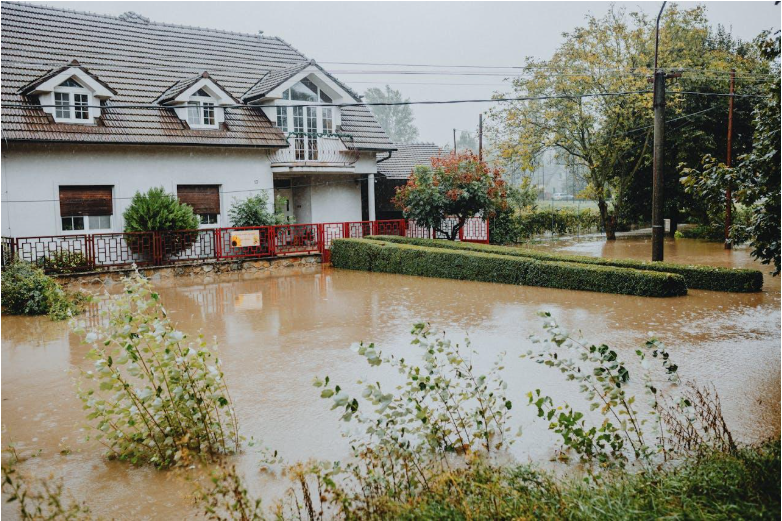
Water doesn’t wait for a convenient time. It rises during storms, seeps through foundations overnight, and finds every gap in a property that wasn’t built to handle it. Most families start thinking about flood protection after something goes wrong. That’s a costly time to start.
Train Your Team to Use Water Rescue Bags Quickly in Emergencies
When floodwaters move fast, seconds count more than equipment does. Getting every adult in the household familiar with water rescue bags before an emergency occurs is one of the most practical steps a family can take.
Tossing a rescue rope accurately and anchoring safely are skills that require actual practice, not just a quick read of the instructions. Store the bags somewhere everyone can reach, run through a short drill at least once a season, and treat it like any other household safety routine.
Secure a Backup Water Source through Professional Water Well Drilling
Flooding and storms don’t just bring too much water. They often contaminate municipal supplies for days or longer. Arranging professional water well drilling for your property gives the household an independent source that stays functional even when public systems fail.
The well operates on your terms, and with proper filtration, it delivers clean water regardless of what is happening to the local treatment plant.
Install Sump Pumps with Battery Backup for Power Outage Storms
Power outages and heavy storms tend to arrive at the same time. A standard sump pump wired to the wall is useless the moment electricity cuts out, which is exactly when a basement needs it most. A battery backed unit keeps running regardless of what the grid is doing.
The cost difference between a standard pump and a battery backup model is modest compared to the expense of restoring a flooded lower level.
Elevate Electrical Panels, HVAC Units, and Water Heaters above Flood Levels
Floodwater and electrical systems create a dangerous situation very quickly. Panels, HVAC units, and water heaters installed near ground level become real liabilities the moment water rises past the threshold.
Moving these systems to at least one foot above the local base flood elevation protects both property and safety. A licensed contractor can assess the right height for each unit based on regional flood data, and the work is far less disruptive than replacing a flooded electrical panel after a storm.
Mark Utility Shut-Off Valves Clearly Before Any Water Emergency Happens
Most homeowners know their property has shut-off valves. Fewer can find them quickly under pressure, in poor lighting, or during a stressful moment. Spend an afternoon walking through the property, locating every water shut-off valve, and marking each one with a weatherproof label.
Then make sure every person in the household knows where they are and how to use them. The few minutes spent labeling a valve can prevent a burst pipe from flooding a room while someone searches the basement in a panic.
Test Sump Pumps and Backflow Valves Twice a Year
Equipment that sits dormant for months has a habit of failing when it matters. Sump pumps and backflow valves deserve attention in both spring and fall, well outside storm season. Pour water into the sump pit and confirm the pump activates promptly, then inspect the backflow valve for debris or wear.
Two checks a year takes under an hour in total, and that hour is worth considerably more than the cleanup that follows a preventable failure.