

Introduction
Keeping an aquarium is more than just placing fish in water—it’s about creating a balanced, living ecosystem that thrives over time. Whether you’re a beginner or an experienced aquarist, understanding how to maintain a stable aquatic environment is essential for your fish’s health and longevity. Many hobbyists struggle at first because they overlook small but important routines that keep water quality stable and fish stress-free.
This is where fish tank maintenance tips become incredibly valuable. They help you understand how often to clean your tank, how to manage filtration, and how to keep ammonia and nitrate levels under control. With the right approach, your aquarium can become a beautiful, self-sustaining ecosystem that brings calmness and joy to your home.
In this guide, we’ll explore everything you need to know—from water changes and filtration systems to feeding habits and long-term tank stability—so you can confidently care for your aquatic pets.
Setting Up a Healthy Aquarium Environment
:strip_icc()/GettyImages-116563952-5adc355b0e23d90036bd122e.jpg)
Understanding Water Quality Basics
A successful aquarium starts with water quality. Fish depend entirely on their environment, so even minor imbalances can cause stress or illness. Temperature, pH levels, and ammonia balance all play a critical role in maintaining stability.
When beginners first start, they often assume clear water means clean water. However, invisible toxins can still exist. That’s why routine monitoring is essential. Proper fish tank maintenance tips help you understand how water parameters affect fish behavior and overall tank health.
Choosing the Right Tank Size and Equipment
A common mistake is choosing a tank that is too small. Smaller tanks are harder to maintain because water conditions change quickly. Larger tanks offer more stability and give fish more room to thrive.
You should also invest in a reliable filtration system, heater (if needed), and proper lighting. Each component works together to create a balanced ecosystem that requires less frequent intervention once established.
Daily and Weekly Aquarium Care Routine
Feeding Practices and Observation
One of the most overlooked aspects of aquarium care is feeding discipline. Overfeeding is one of the fastest ways to pollute water. Uneaten food decomposes and releases harmful compounds that affect fish health.
Instead of feeding large amounts, offer small portions that fish can consume within a few minutes. While feeding, observe their behavior. Changes in appetite or swimming patterns often signal early signs of stress or illness.
Applying consistent fish tank maintenance tips ensures you stay aware of your fish’s condition before problems escalate.
Routine Cleaning Habits
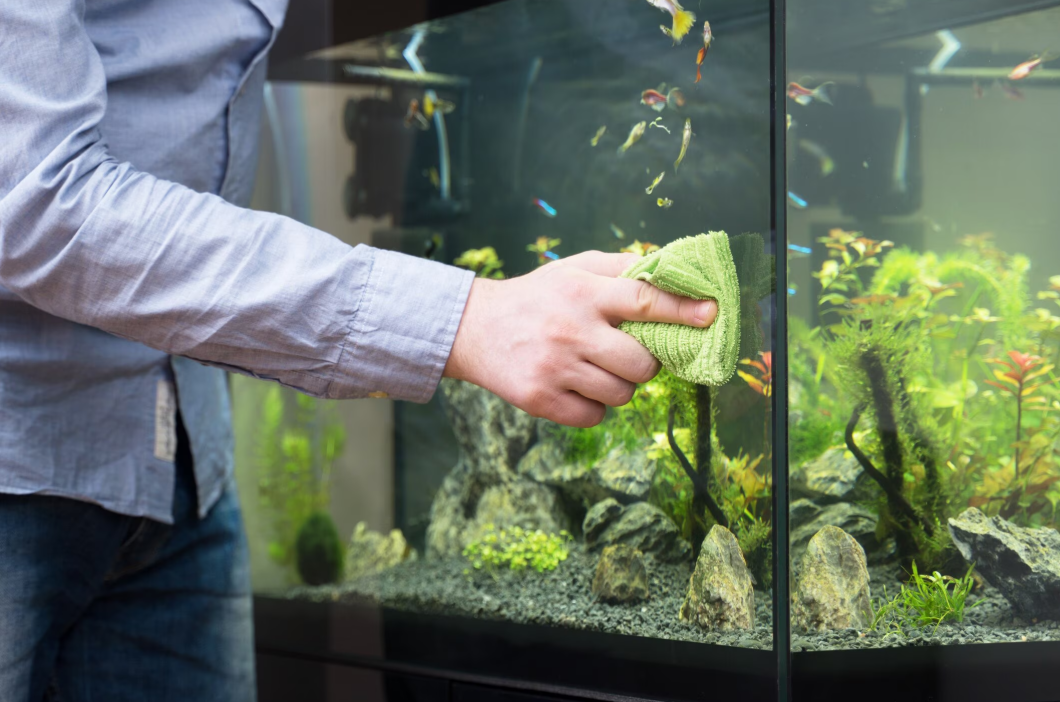
Cleaning your aquarium doesn’t mean completely changing everything inside. In fact, over-cleaning can disturb beneficial bacteria that keep your ecosystem stable.
Focus on partial water changes, algae control, and gentle substrate cleaning. These small but regular actions help maintain clarity and prevent toxin buildup without harming the biological balance of your tank.
Filtration and Water Cycling Explained
How Filtration Systems Work
Filtration is the heart of any aquarium. It removes physical debris, neutralizes harmful chemicals, and supports beneficial bacteria growth. There are typically three types of filtration: mechanical, chemical, and biological.
Mechanical filtration removes visible particles, chemical filtration handles toxins, and biological filtration supports bacteria that break down waste. Together, they maintain a stable environment for your fish.
Importance of Water Cycling
Before adding fish to a new aquarium, the tank must go through a cycling process. This allows beneficial bacteria to develop and establish a nitrogen cycle. Without cycling, harmful ammonia levels can rise quickly and endanger aquatic life.
Experienced aquarists always rely on proven fish tank maintenance tips to ensure proper cycling before introducing fish to a new environment.
Common Mistakes Aquarium Owners Make
Overcrowding the Tank
One of the biggest mistakes is adding too many fish too quickly. Overcrowding leads to oxygen depletion, increased waste, and aggressive behavior among fish.
Each fish species requires a specific amount of space. Ignoring this can lead to long-term stress and poor water conditions.
Ignoring Regular Water Testing
Many beginners skip water testing because the tank looks clean. However, invisible chemical changes can happen rapidly. Testing helps detect problems before they become serious.
Improper Cleaning Methods
Using soap or harsh chemicals to clean aquarium items can be deadly for fish. Always use aquarium-safe cleaning techniques and avoid disrupting beneficial bacteria colonies.
Aquarium Maintenance Schedule Overview
Below is a simple guide to help you structure your routine effectively:
| Task | Frequency | Purpose |
|---|---|---|
| Water testing | Weekly | Monitor ammonia, nitrate, pH levels |
| Partial water change | Weekly/bi-weekly | Maintain water freshness |
| Filter cleaning | Monthly | Ensure proper filtration flow |
| Algae removal | Weekly | Prevent overgrowth |
| Equipment check | Monthly | Ensure heater, pump, and lights work properly |
Following a structured routine ensures your aquarium remains stable and reduces unexpected issues.
Enhancing Fish Health and Longevity
Proper Diet and Nutrition
Fish require a balanced diet just like any other pet. Different species have different dietary needs—some are herbivores, others are carnivores, and many are omnivores.
Feeding high-quality food in appropriate quantities improves coloration, energy levels, and immunity. Avoid cheap or low-nutrient food that may harm long-term health.
Stress Reduction Techniques
Stress is a major cause of fish disease. Sudden temperature changes, aggressive tank mates, or poor water conditions can all contribute to stress.
Providing hiding spaces, maintaining consistent lighting, and keeping water parameters stable are essential for reducing stress levels in your aquarium.
Long-Term Aquarium Stability and Balance

Maintaining a long-term healthy aquarium requires consistency. Once your tank is established, the goal is not constant intervention but rather stable upkeep. A mature aquarium develops its own biological rhythm, where beneficial bacteria, plants, and fish coexist in a balanced ecosystem that naturally regulates itself.
Advanced aquarists often rely on refined fish tank maintenance tips to keep ecosystems self-sustaining with minimal disruption. Stability is achieved through patience, observation, and understanding how every component of the tank interacts. Instead of reacting to problems, experienced fish keepers focus on preventing them through routine monitoring and gradual adjustments.
A key factor in long-term stability is avoiding sudden changes. Rapid shifts in temperature, water chemistry, or filtration setup can stress fish and disrupt the biological balance that has taken weeks or months to establish. Even small adjustments should be made slowly to allow the aquarium to adapt naturally.
Live plants also play an important role in maintaining balance by absorbing excess nutrients and producing oxygen. When combined with proper filtration, they help create a more natural and self-sustaining environment that requires less frequent intervention.
Key Takeaways
Maintaining a successful aquarium is about balance, consistency, and observation. A stable environment leads to healthier fish and fewer long-term issues. By understanding filtration, feeding habits, water chemistry, and routine care, you can build a thriving aquatic ecosystem that lasts for years.
A well-maintained tank is not achieved overnight—it develops through steady routines and careful attention to detail. Small daily habits, such as monitoring fish behavior and avoiding overfeeding, play a major role in preventing larger problems later.
Water quality should always remain your top priority. Even when the tank looks clean, invisible chemical changes can still affect fish health. Regular testing and partial water changes help keep everything stable and safe.
Filtration and biological balance work together to sustain life inside the aquarium. When beneficial bacteria are well-established, they naturally reduce harmful toxins and make long-term maintenance much easier.
FAQs
1. How often should I clean my aquarium?
You should perform partial water changes every 1–2 weeks and clean filters once a month, depending on tank size and fish load.
2. What is the ideal water temperature for fish tanks?
It varies by species, but most tropical fish thrive between 24°C to 27°C.
3. Can I fully clean my fish tank every week?
No, full cleaning disrupts beneficial bacteria. Only partial cleaning is recommended.
4. Why is my aquarium water turning cloudy?
It may be due to bacterial blooms, overfeeding, or poor filtration.
5. How many fish can I keep in one tank?
It depends on tank size and species. A general rule is one inch of fish per gallon of water.
6. Do fish need light all the time?
No, fish need a day-night cycle. 8–10 hours of light per day is usually enough.
7. What should I do if fish stop eating?
Check water parameters immediately and look for signs of stress or disease.
Conclusion
Building and maintaining a healthy aquarium is a rewarding experience that combines science, patience, and care. When you follow structured routines and stay consistent, your fish will thrive in a clean and stable environment.
Applying fish tank maintenance tips regularly ensures your aquarium remains balanced and prevents common problems before they start. With time, you’ll develop a natural understanding of your tank’s needs and be able to maintain it with confidence.
In the end, fish tank maintenance tips are not just instructions—they are the foundation of a healthy aquatic ecosystem.