

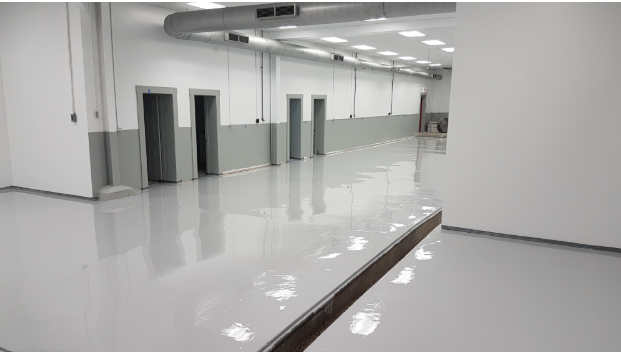
Homeowners are paying more attention to their concrete floors than ever before. Areas such as garages, basements, workshops, and utility rooms are no longer treated as unused spaces. Many homeowners now want these areas to be cleaner, more functional, and visually appealing while still being able to handle everyday wear.
For homeowners in Woodland Park, NJ, epoxy flooring provides a practical way to improve concrete surfaces and create durable residential spaces. Epoxy systems can transform ordinary concrete into a strong, easy-to-maintain surface that works well for different areas of a home.
However, the final performance of an epoxy floor depends heavily on proper preparation, material selection, and installation experience. Choosing the right epoxy flooring contractors helps ensure the flooring system is installed correctly and designed according to the needs of the space.
Why Professional Epoxy Flooring Installation Matters
Many homeowners assume epoxy flooring is simply a coating applied over concrete. In reality, successful installation requires careful preparation, proper techniques, and knowledge of how different flooring systems perform in residential environments.
A professionally installed epoxy floor depends on several factors, including:
- Condition of the existing concrete
- Surface preparation methods
- Moisture evaluation
- Product selection
- Application process
- Curing time
Skipping important steps during installation can lead to issues such as peeling, bubbling, uneven finishes, or reduced durability. Experienced contractors understand that the preparation stage is just as important as the flooring material itself. A strong foundation helps the flooring system achieve better adhesion and long-term performance.
Where Residential Epoxy Flooring Works Best
Epoxy flooring can be used in different areas of a home depending on the homeowner’s goals and the condition of the concrete surface.
Garage Spaces
Garages are one of the most common areas for epoxy flooring because they experience heavy daily use. Vehicles, tools, storage equipment, oil spills, and changing temperatures can gradually affect unfinished concrete. A properly installed epoxy floor can help create a cleaner and more organized garage environment. It can also make routine maintenance easier because the sealed surface is less likely to absorb stains and dirt.
Homeowners often choose epoxy garage flooring for:
- Vehicle parking areas
- Home workshops
- Storage spaces
- Hobby areas
Basements
Basements often present unique flooring challenges because moisture and humidity can affect concrete surfaces. Before installation, the floor should be evaluated to determine whether any moisture-related issues need attention.
For homeowners in Woodland Park, NJ, properly selected basement epoxy services can help transform suitable basement areas into more functional spaces such as:
- Home gyms
- Entertainment rooms
- Storage areas
- Recreation spaces
The right epoxy system can provide a finished appearance while helping protect the underlying concrete.
Workshops and Utility Areas
Many homeowners use parts of their homes for projects, repairs, or equipment storage. These spaces require flooring that can handle frequent activity. Epoxy flooring can be a practical choice for workshops and utility areas because it provides a durable surface that is easier to clean compared with unfinished concrete.
What Homeowners Should Check Before Hiring a Contractor
Choosing a flooring contractor should involve more than comparing prices. The quality of the installation process plays a major role in how long the floor will last.
Experience With Residential Projects
Residential flooring projects have different requirements compared with large commercial installations. A contractor should understand how homeowners use their spaces and recommend a system that fits everyday needs. For example, a garage used mainly for parking may require a different approach compared with a basement used as a living area or home gym.
Concrete Preparation Process
Surface preparation is one of the most important parts of epoxy flooring installation.
A professional contractor should evaluate:
- Cracks
- Surface damage
- Previous coatings
- Oil contamination
- Moisture conditions
Preparation may include grinding, repairs, cleaning, and creating the correct surface profile before the epoxy system is applied.
A beautiful finish starts with properly prepared concrete.
Recommended Flooring System
Not every epoxy system is the same. Different finishes provide different appearances and performance characteristics.
Homeowners may choose from options such as:
- Solid color epoxy
- Flake epoxy
- Metallic epoxy
- Quartz epoxy systems
The best option depends on the room’s purpose, desired appearance, and expected level of use.
Understanding the Residential Epoxy Flooring Process
Knowing what happens during installation helps homeowners prepare for the project and understand how each step contributes to a durable and long-lasting flooring system.
| Installation Stage | Purpose |
| Concrete Inspection | Evaluates the existing surface to identify cracks, moisture issues, damage, and other conditions that may affect installation quality. |
| Surface Preparation | Cleans and prepares the concrete surface to create proper adhesion and ensure the epoxy coating bonds effectively. |
| Repairs | Addresses cracks, surface imperfections, and damaged areas to create a smooth foundation before applying the epoxy system. |
| Epoxy Application | Applies the selected epoxy flooring system carefully to create a durable, protective, and visually appealing surface. |
| Protective Finish | Adds an additional layer of protection that improves durability, appearance, and resistance against everyday wear. |
| Curing Period | Allows the epoxy system enough time to fully harden and develop the strength required for long-term performance. |
A professional installation process helps ensure the flooring system performs as expected and provides reliable results for years.
Benefits of Professional Residential Epoxy Flooring
A properly installed epoxy floor can provide several advantages for homeowners looking for a durable, attractive, and easy-to-maintain flooring solution.
Improved Durability
Epoxy creates a strong protective surface designed to handle daily activity, vehicle traffic, equipment movement, and regular use without quickly wearing down.
Easier Maintenance
The seamless epoxy finish makes cleaning simpler by reducing spaces where dirt, dust, and spills can collect, helping maintain a cleaner floor.
Better Appearance
Homeowners can choose from different colors, textures, and finishes to create a flooring design that matches their personal style and space requirements.
Concrete Protection
Epoxy helps protect the concrete underneath from stains, moisture, surface damage, and everyday wear caused by regular household activities.
Custom Design Options
Modern epoxy systems offer various decorative choices, allowing homeowners to create simple, elegant, or unique flooring designs for different areas.
Comparing Different Residential Epoxy Options
| Flooring Type | Best For | Main Benefit |
| Solid Color Epoxy | Garages and utility rooms | Provides a clean and uniform appearance with a simple finish that works well for practical residential spaces. |
| Flake Epoxy | Garages and workshops | Combines decorative appeal with durability while helping create a practical surface for active areas. |
| Metallic Epoxy | Interior spaces | Creates unique visual effects and premium finishes that enhance modern living areas. |
| Quartz Epoxy | High-use areas | Provides added texture, strength, and durability for spaces requiring extra performance. |
The right choice depends on how the area will be used, expected traffic levels, design preferences, and the homeowner’s long-term expectations.
Common Mistakes Homeowners Should Avoid
Several mistakes can affect the performance, appearance, and lifespan of an epoxy flooring project.
Choosing Only Based on Price
The lowest estimate may not include proper surface preparation, quality materials, or important installation steps needed for long-term performance.
Ignoring Concrete Problems
Existing cracks, moisture concerns, or surface damage should be addressed before installation to prevent future flooring issues.
Selecting Appearance Over Function
A flooring system should match how the space will be used, not only focus on appearance or decorative preferences.
Skipping Professional Installation
Proper preparation and application require experience, and poor installation methods can reduce the durability and lifespan of the floor.
Maintaining an Epoxy Floor After Installation
Although epoxy flooring is designed for durability, proper maintenance helps preserve its appearance, performance, and long-term value.
Recommended practices include:
- Cleaning spills quickly to prevent stains and surface issues.
- Removing dirt and debris regularly to maintain the floor finish.
- Using suitable cleaning products recommended for epoxy surfaces.
- Avoiding unnecessary impact damage from heavy objects.
- Following professional maintenance recommendations when required.
A small amount of routine care can help extend the life of the flooring system and maintain its original appearance.
Final Thoughts
Choosing the right contractor is one of the most important decisions when installing epoxy flooring in a residential property. The quality of preparation, materials, and installation methods directly affects the final result.
For homeowners in Woodland Park, NJ, working with experienced flooring professionals can help create durable, attractive, and functional areas throughout the home.
With proper planning and professional installation, epoxy flooring can transform garages, basements, workshops, and utility spaces into improved areas that provide long-term value.