


For centuries, persian rugs have represented elegance, craftsmanship, and cultural heritage. Known for their intricate patterns, luxurious materials, and exceptional durability, these handcrafted masterpieces continue to enhance homes across the world. Whether placed in a modern apartment, a traditional home, or a luxury villa, they instantly add warmth and sophistication to any interior.
Unlike machine-made carpets, authentic Persian rugs are carefully woven by skilled artisans using techniques that have been passed down through generations. Every rug tells a unique story through its colors, motifs, and craftsmanship. Besides their decorative appeal, these rugs are also considered valuable investments because they often retain or increase their worth over time.
This comprehensive guide explores the history, characteristics, popular styles, buying tips, maintenance practices, and reasons why Persian rugs remain one of the most admired floor coverings in the world.
The Rich History of Persian Rugs
The history of Persian rug weaving dates back more than 2,500 years to ancient Persia, now known as Iran. Rug weaving became an important art form because it combined functionality with artistic expression. Originally, rugs were made to provide warmth and comfort inside homes and tents. Over time, they evolved into symbols of wealth, prestige, and cultural identity.
Persian artisans developed highly sophisticated weaving methods that allowed them to create detailed floral, geometric, and medallion designs. During the Safavid Dynasty, rug production flourished, and Persian carpets became internationally recognized for their exceptional quality. Royal courts commissioned master weavers to produce luxurious rugs for palaces and important buildings.
Today, authentic persian rugs continue to preserve this remarkable heritage. Every region in Iran has developed distinctive weaving traditions, making each rug unique in style, color palette, and knotting technique.
Why Persian Rugs Are So Highly Valued
Several characteristics make Persian rugs stand out from ordinary carpets. Their beauty comes not only from attractive designs but also from exceptional craftsmanship and premium materials.
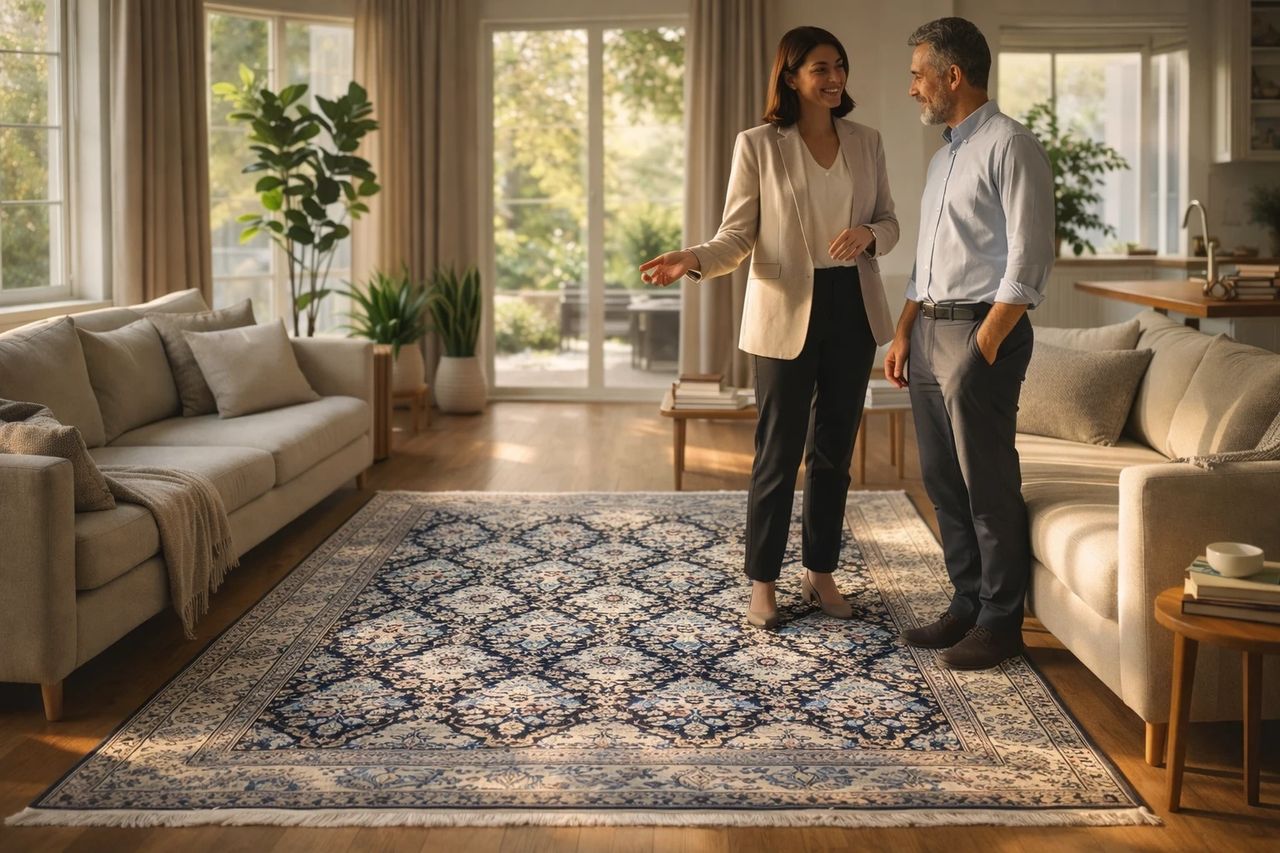
Some of the primary reasons they are highly valued include:
- Hand-knotted by experienced artisans
- Made using high-quality wool, silk, or cotton
- Unique patterns with cultural significance
- Exceptional durability lasting decades
- Rich natural colors from traditional dyes
- Increasing collectible and investment value
- Timeless appeal for every interior style
Because of these qualities, homeowners often view persian rugs as family heirlooms that can be passed from one generation to another.
Different Types of Persian Rugs
Iran has numerous weaving regions, each producing rugs with unique artistic characteristics. Understanding these differences helps buyers select the right style for their home.
| Rug Type | Main Characteristics | Best For |
|---|---|---|
| Tabriz | Detailed floral designs and fine weaving | Luxury interiors |
| Kashan | Central medallions with elegant borders | Traditional living rooms |
| Isfahan | Premium silk and intricate craftsmanship | Formal spaces |
| Qom | Silk rugs with vibrant colors | Decorative areas |
| Heriz | Bold geometric patterns | Modern homes |
| Nain | Soft blue and ivory color schemes | Elegant bedrooms |
| Mashhad | Rich floral motifs and large sizes | Spacious living areas |
Each variety reflects the artistic traditions of its local region while maintaining the quality standards associated with Persian craftsmanship.
Materials Used in Persian Rugs
The quality of a Persian rug largely depends on the materials used during its production. Traditional artisans carefully select natural fibers that provide beauty, strength, and longevity.
Wool is the most common material because it offers softness, durability, and natural stain resistance. High-quality wool creates a comfortable texture while maintaining vibrant colors for many years.
Silk is used in premium rugs because of its luxurious appearance and exceptional detail. Silk fibers allow weavers to create extremely intricate designs with remarkable precision. Although silk rugs are more expensive, they offer unmatched elegance.
Cotton is generally used as the foundation for many rugs, providing structural stability while allowing the decorative fibers to remain secure.
Natural vegetable dyes extracted from plants, roots, flowers, and minerals create rich colors that age beautifully rather than fading unevenly over time.
Popular Design Patterns and Colors
One of the reasons persian rugs remain timeless is the incredible variety of artistic patterns available. Every design carries historical and symbolic meaning that reflects Persian culture.
Some common motifs include floral gardens representing paradise, central medallions symbolizing harmony, vine patterns illustrating continuous life, geometric shapes reflecting order, and animal motifs representing strength or prosperity.
Traditional color palettes often feature:
- Deep red
- Royal blue
- Ivory
- Gold
- Emerald green
- Brown
- Navy
- Beige
Modern manufacturers also produce softer neutral color combinations that blend well with contemporary interior designs while maintaining classic Persian artistry.
How to Identify Authentic Persian Rugs
Because Persian rugs are highly valued, buyers should understand how to recognize genuine handmade pieces.
First, examine the back of the rug. Hand-knotted rugs display individual knots that are visible and slightly irregular. Machine-made rugs usually have perfectly uniform stitching.
Next, inspect the fringe. In authentic rugs, the fringe is part of the rug’s foundation rather than sewn separately.
Natural materials also provide important clues. Genuine wool feels soft yet resilient, while silk has a natural sheen without appearing overly glossy.
Color variation is another positive sign. Traditional hand-dyed rugs often display subtle differences in shade that enhance their artistic character.
Finally, check the knot density. Higher knot counts generally indicate greater detail, craftsmanship, and value.
Choosing the Right Persian Rug for Your Home
Selecting the perfect rug requires careful consideration of room size, furniture placement, color coordination, and intended use.
For living rooms, choose larger rugs that allow front furniture legs to rest comfortably on the rug. Dining rooms should have rugs extending beyond chair edges to maintain balance.
Bedrooms often benefit from soft, calming colors that create a relaxing atmosphere, while hallways require durable wool rugs capable of handling heavy foot traffic.
When selecting colors, consider existing furniture, wall paint, flooring, and lighting. Neutral rugs complement minimalist interiors, while richly colored Persian rugs become attractive focal points in traditional spaces.
Size is equally important because an improperly sized rug can disrupt the visual balance of a room.
Benefits of Owning Persian Rugs
Beyond their aesthetic appeal, Persian rugs offer practical advantages that make them worthwhile long-term investments.
Some of the biggest benefits include:
- Exceptional durability
- Timeless elegance
- Improved indoor comfort
- Natural insulation
- Excellent sound absorption
- Artistic craftsmanship
- Long-lasting value
- Suitable for both traditional and modern interiors
Many homeowners appreciate that quality persian rugs continue looking beautiful even after decades of regular use when properly maintained.
Caring for Persian Rugs
Proper maintenance helps preserve the beauty and lifespan of a Persian rug for generations.
Vacuum regularly using gentle suction to remove dust before it becomes embedded in the fibers. Rotate the rug every few months to ensure even wear, especially in areas exposed to sunlight or heavy foot traffic.
Clean spills immediately using a soft cloth without rubbing aggressively. Blotting prevents stains from spreading deeper into the fibers.
Avoid prolonged exposure to direct sunlight because excessive UV rays may gradually fade natural dyes over many years.
Professional cleaning every few years removes deep dirt while protecting delicate fibers. Proper storage in a dry, climate-controlled environment also prevents moisture damage and insect infestation.
With proper care, these handcrafted masterpieces can remain beautiful for several generations.
Are Persian Rugs Worth the Investment?
Many buyers wonder whether handmade Persian rugs justify their premium prices. In most cases, the answer is yes.
Unlike synthetic carpets that wear out after several years, authentic Persian rugs often last for decades while maintaining their appearance and structural integrity. Their handcrafted nature makes every piece unique, adding artistic and collectible value.
Many antique Persian rugs have appreciated significantly in value over time due to limited production and increasing global demand. Even modern handcrafted examples retain their appeal because of superior craftsmanship and premium natural materials.
When properly maintained, these rugs provide outstanding long-term value compared to frequently replacing lower-quality machine-made alternatives.
Modern Interior Design with Persian Rugs
Although rooted in centuries-old traditions, Persian rugs complement a wide range of modern interior styles. Interior designers frequently combine classic rugs with contemporary furniture to create visually balanced spaces.

Minimalist homes benefit from colorful Persian rugs that introduce warmth and personality without overwhelming the room. Industrial interiors featuring concrete, metal, and exposed brick become more inviting when paired with richly patterned rugs.
Scandinavian-inspired spaces often incorporate neutral Persian rugs that enhance comfort while maintaining clean aesthetics. Traditional homes naturally showcase these rugs as statement pieces that reinforce timeless elegance.
This remarkable versatility explains why Persian rugs continue to remain popular among homeowners, decorators, architects, and collectors worldwide.
Common Mistakes to Avoid When Buying Persian Rugs
Purchasing a quality rug requires careful research. Avoid these common mistakes:
- Buying based only on price
- Ignoring knot density
- Choosing the wrong size
- Overlooking material quality
- Failing to inspect the back of the rug
- Selecting colors without considering room décor
- Forgetting future maintenance requirements
Making informed decisions ensures you purchase a rug that provides beauty and lasting value for many years.
Conclusion
Persian rugs represent far more than decorative floor coverings. They embody centuries of artistic tradition, skilled craftsmanship, and cultural heritage. Their intricate patterns, luxurious natural materials, and remarkable durability have earned them a reputation as some of the finest handmade textiles in the world. Whether you are decorating a modern apartment, renovating a family home, or investing in timeless craftsmanship, persian rugs offer unmatched beauty and long-term value. By understanding their history, identifying authentic craftsmanship, selecting the appropriate style, and following proper maintenance practices, you can enjoy these extraordinary works of art for generations.