


An apartment has become one of the most popular housing options for people living in cities and suburban areas. Whether you are a first-time renter, a homebuyer, or someone planning to upgrade your living space, choosing the right apartment requires careful planning and informed decision-making. Modern apartments offer convenience, security, shared amenities, and efficient use of space, making them an excellent option for individuals, couples, and families. From compact studio layouts to spacious luxury residences, today’s apartment communities cater to different lifestyles and budgets. Understanding location, floor plans, maintenance, and long-term costs can help you make a smarter investment. This comprehensive guide explains everything you need to know about apartment living, including types, benefits, interior design ideas, buying tips, maintenance, and ways to maximize comfort while increasing property value.
Why Apartment Living Is Growing in Popularity
Urbanization has transformed the housing market, making apartments one of the most practical residential choices. Rising land prices and increasing demand for homes near workplaces, schools, and commercial centers have encouraged developers to build modern residential complexes that combine convenience with lifestyle amenities.
Many people choose an apartment because it provides easier maintenance compared to independent houses. Shared facilities like elevators, security systems, landscaped gardens, gyms, swimming pools, and parking areas improve the overall quality of life while reducing individual responsibilities.
Apartments are also attractive for young professionals, retirees, and families because they often offer better connectivity to transportation networks and essential services. With professionally managed communities and enhanced safety features, apartment living provides comfort, affordability, and accessibility that continue to attract buyers and renters across different income groups.
Types of Apartments Available Today
Choosing the right apartment depends on your lifestyle, budget, and family size. Different layouts are designed to meet various residential needs.
Studio Apartment
A studio combines the bedroom, living room, and kitchen into one open space, making it suitable for students and single professionals.
One-Bedroom Apartment
This layout offers a separate bedroom, providing greater privacy and comfort for individuals or couples.
Two and Three-Bedroom Apartments
These homes accommodate growing families by offering multiple bedrooms, larger kitchens, and additional bathrooms.
Luxury Apartments
Premium residences feature high-end finishes, smart home technology, concierge services, fitness centers, rooftop gardens, and exclusive recreational facilities.
Serviced Apartments
These are fully furnished units that include housekeeping and maintenance services, making them ideal for business travelers and temporary residents.
Benefits of Choosing an Apartment
Living in an apartment provides several practical and financial advantages compared to standalone homes.
Some of the major benefits include:
- Lower maintenance responsibilities
- Enhanced security systems
- Shared recreational amenities
- Convenient urban locations
- Better public transportation access
- Affordable entry into homeownership
- Strong rental demand in popular neighborhoods
- Community living with shared facilities
These advantages make apartments suitable for a wide range of homeowners and tenants seeking convenience without sacrificing comfort.
Factors to Consider Before Buying an Apartment
Purchasing a home is a significant financial commitment that requires thorough research. Before finalizing your decision, evaluate several important factors to ensure long-term satisfaction.
The location remains one of the most critical considerations. Look for neighborhoods with access to schools, hospitals, shopping centers, workplaces, and transportation options. Review the builder’s reputation, construction quality, and legal documentation before making any payments.
Evaluate monthly maintenance charges, parking availability, future development plans, building age, ventilation, natural lighting, and overall infrastructure. Compare multiple properties before selecting one that meets your financial goals and lifestyle preferences. A careful evaluation helps prevent unexpected expenses and improves the long-term value of your investment.
Apartment Buying Checklist
| Factor | Why It Matters |
|---|---|
| Location | Better convenience and resale value |
| Budget | Prevents financial stress |
| Builder Reputation | Ensures quality construction |
| Amenities | Improves daily lifestyle |
| Security | Enhances resident safety |
| Parking | Essential for vehicle owners |
| Maintenance Fees | Affects monthly expenses |
| Legal Documents | Protects ownership rights |
Interior Design Ideas for a Modern Apartment
Good interior design makes every apartment feel larger, brighter, and more comfortable. Even compact spaces can appear spacious with thoughtful planning and functional furniture.
Choose light-colored walls to maximize natural light. Multi-purpose furniture such as storage beds, folding dining tables, modular sofas, and wall-mounted shelves helps reduce clutter while increasing functionality. Mirrors create the illusion of larger rooms, while indoor plants add freshness and improve air quality.
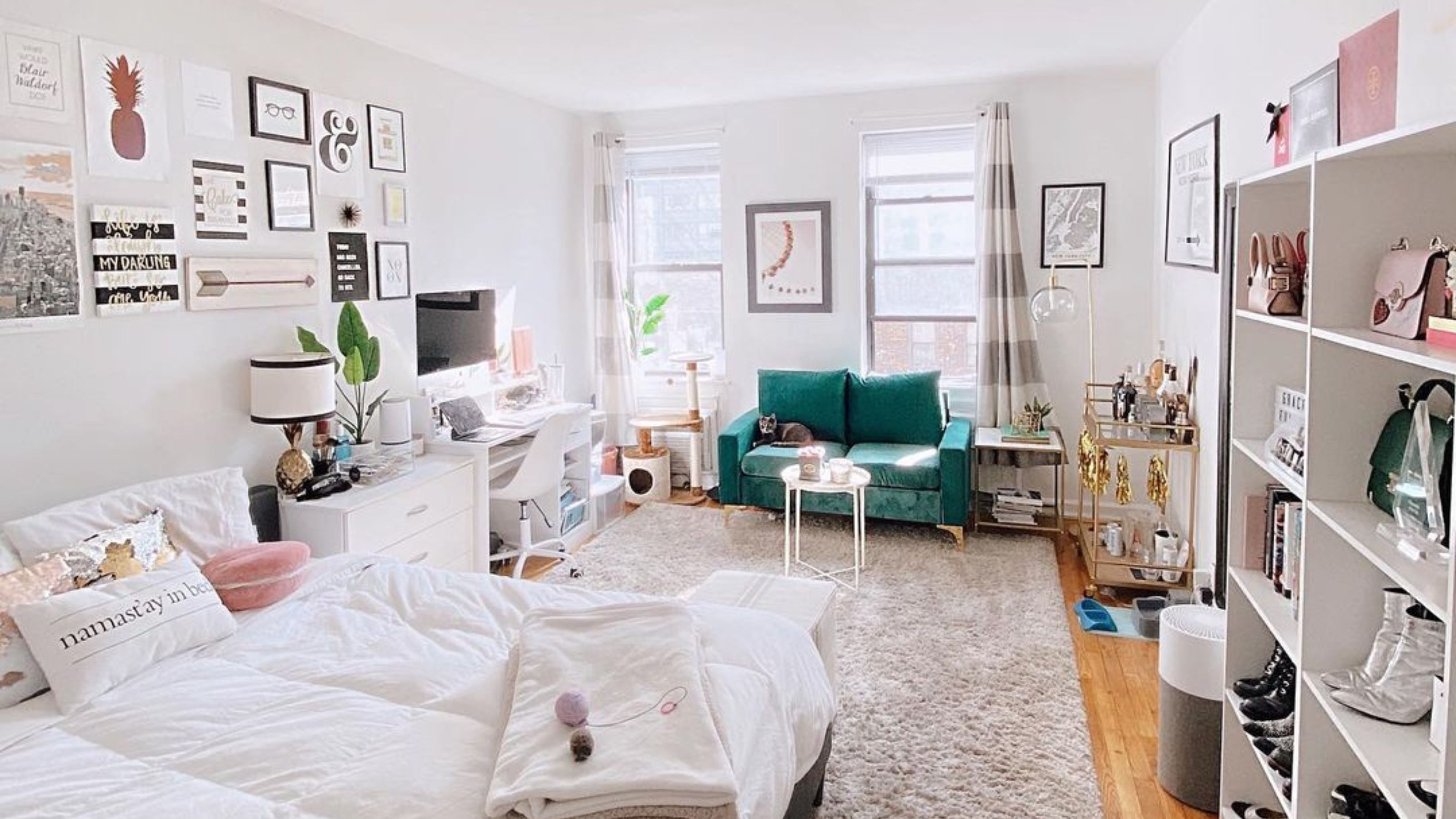
Layered lighting using ceiling fixtures, floor lamps, and accent lighting creates a welcoming atmosphere. Smart storage solutions inside wardrobes, under beds, and behind doors maximize every square foot. Minimal decoration combined with quality furnishings creates a timeless interior that remains attractive for years.
How to Maximize Space in Small Apartments
Space optimization is one of the biggest priorities in compact homes. Fortunately, modern design techniques can dramatically improve functionality without major renovations.
Consider installing vertical shelving units, hidden storage compartments, and floating furniture. Foldable desks and convertible sofas offer flexibility for working from home while maintaining open living areas. Decluttering regularly helps create a clean, organized environment.
Neutral color palettes combined with large windows improve brightness, while carefully selected furniture prevents overcrowding. Keeping decorative accessories minimal ensures every room feels comfortable and visually balanced. Small improvements can significantly increase both comfort and property appeal.
Maintenance Tips for Apartment Owners
Proper maintenance protects your investment and improves everyday living. Regular inspections allow homeowners to identify small issues before they become expensive repairs.
Maintain plumbing fixtures, electrical systems, air conditioning units, and kitchen appliances according to manufacturer recommendations. Clean balconies, windows, and ventilation systems frequently to maintain hygiene and airflow.
Inspect walls and ceilings for moisture damage or leaks, especially during rainy seasons. Keep smoke detectors, fire extinguishers, and emergency exits accessible at all times. Participating in community maintenance programs also helps preserve common areas and increases the overall value of the residential complex.
How Apartments Can Be a Smart Investment
Apartments have become attractive investment assets because of growing urban populations and consistent housing demand. Rental income provides steady cash flow while property appreciation creates long-term wealth.
Properties located near business districts, universities, hospitals, and transportation hubs generally experience stronger demand and higher occupancy rates. Investors should research neighborhood growth, infrastructure development, and future commercial projects before purchasing.
Maintaining the property in excellent condition further improves rental potential and resale value. Choosing a well-managed residential community with quality amenities increases tenant satisfaction while protecting the property’s long-term financial performance.
Common Mistakes to Avoid When Choosing an Apartment
Many buyers make decisions based solely on price without evaluating important long-term factors. Avoiding common mistakes helps ensure a better living experience.
Some errors include:
- Ignoring maintenance costs
- Overlooking legal verification
- Choosing poor locations
- Not inspecting construction quality
- Underestimating parking requirements
- Ignoring future resale value
- Skipping builder background checks
- Not reviewing community rules
Taking time to evaluate every detail minimizes financial risks and prevents future disappointments.
Future Trends in Apartment Living
Residential developments continue evolving to meet changing lifestyles and environmental goals. Smart technology, sustainable construction, and energy-efficient systems are becoming standard features in modern apartment communities.
Developers increasingly incorporate solar energy, rainwater harvesting, electric vehicle charging stations, automated lighting, smart security, and home automation systems. Flexible workspaces, wellness centers, rooftop gardens, and pet-friendly facilities also reflect changing homeowner expectations.
Green building practices not only reduce environmental impact but also lower utility costs and improve indoor comfort. As cities continue expanding, apartments designed with sustainability and technology will remain highly desirable for both homeowners and investors.
Conclusion
An apartment offers far more than simply a place to live. It provides convenience, security, community living, and valuable long-term investment opportunities. Whether you plan to rent, purchase, or invest, understanding location, design, maintenance, amenities, and financial considerations helps you make confident decisions. Modern residential developments continue improving through smarter technology, sustainable construction, and better lifestyle features that enhance everyday comfort. By carefully evaluating your needs and planning ahead, you can choose an apartment that supports your current lifestyle while delivering lasting value for years to come.