


The floor is one of the largest and most noticeable elements in any home or commercial property. It sets the tone for the overall interior while contributing to comfort, durability, and functionality. Choosing the right flooring design is about much more than appearance—it influences maintenance, safety, property value, and everyday living. With countless materials, textures, colors, and patterns available today, homeowners have endless opportunities to create unique and personalized spaces.
Whether you’re building a new home, renovating an old one, or upgrading a single room, understanding different flooring options can help you make informed decisions. From elegant hardwood to affordable vinyl and timeless ceramic tiles, every material offers distinct benefits. This guide explores popular flooring styles, current trends, material comparisons, maintenance tips, and expert recommendations to help you select the perfect flooring solution for every room.
Why Flooring Design Matters
A well-planned flooring design enhances both beauty and practicality. The right flooring complements furniture, wall colors, lighting, and décor while providing long-lasting performance. Flooring also affects comfort underfoot, insulation, acoustics, and even energy efficiency.

Modern homeowners no longer choose flooring solely based on cost. They consider durability, environmental impact, ease of maintenance, moisture resistance, and aesthetic appeal. Every room has different functional requirements. Kitchens need water-resistant surfaces, bedrooms benefit from warmth and comfort, while living rooms often prioritize elegance and durability.
An attractive floor can also increase resale value by making a property appear well-maintained and modern. Investing in quality materials today often reduces maintenance costs and replacement expenses in the future.
Popular Flooring Materials
Choosing the right flooring begins with understanding the strengths of each material.
Hardwood Flooring
Hardwood remains one of the most luxurious flooring choices. It provides timeless elegance, exceptional durability, and can last for decades with proper care. Available in oak, maple, walnut, and many other species, hardwood complements both traditional and contemporary interiors.
Although hardwood requires periodic refinishing and protection from moisture, its natural beauty continues to make it a favorite among homeowners.
Ceramic and Porcelain Tiles
Tile flooring is ideal for kitchens, bathrooms, laundry rooms, and entryways. These materials resist water, stains, and scratches while offering endless design possibilities. Modern manufacturing techniques even replicate natural wood and stone textures.
Tiles are easy to clean and highly durable, making them suitable for high-traffic areas.
Luxury Vinyl Flooring
Luxury vinyl has become increasingly popular because it combines affordability with style. Modern vinyl mimics hardwood, marble, and stone while offering superior moisture resistance.
Its easy installation and low maintenance make it an excellent option for families with children and pets.
Laminate Flooring
Laminate flooring offers the appearance of hardwood at a lower cost. It resists scratches and fading, making it suitable for busy households. Although less moisture-resistant than vinyl, quality laminate provides excellent value for many indoor spaces.
Natural Stone
Marble, granite, slate, and travertine create sophisticated interiors with unique natural patterns. Stone flooring is highly durable but typically requires sealing and regular maintenance to preserve its appearance.
Choosing Flooring for Different Rooms
Every room serves a unique purpose, so selecting the right material is essential.
- Living rooms benefit from hardwood, laminate, or luxury vinyl.
- Bedrooms feel warm and comfortable with wood or laminate flooring.
- Kitchens require water-resistant tile or vinyl.
- Bathrooms perform best with ceramic or porcelain tiles.
- Basements benefit from waterproof vinyl flooring.
- Home offices often use hardwood or laminate for a professional appearance.
Matching flooring to each room’s function improves both comfort and longevity while creating a cohesive design throughout the home.
Latest Flooring Trends
Interior design trends continue evolving as homeowners seek stylish yet practical solutions. Today’s flooring design trends combine natural aesthetics with innovative materials.
Wide planks remain one of the most popular hardwood choices because they make rooms appear larger and more open. Light wood tones such as oak and ash create bright, airy interiors, while darker shades add sophistication and warmth.
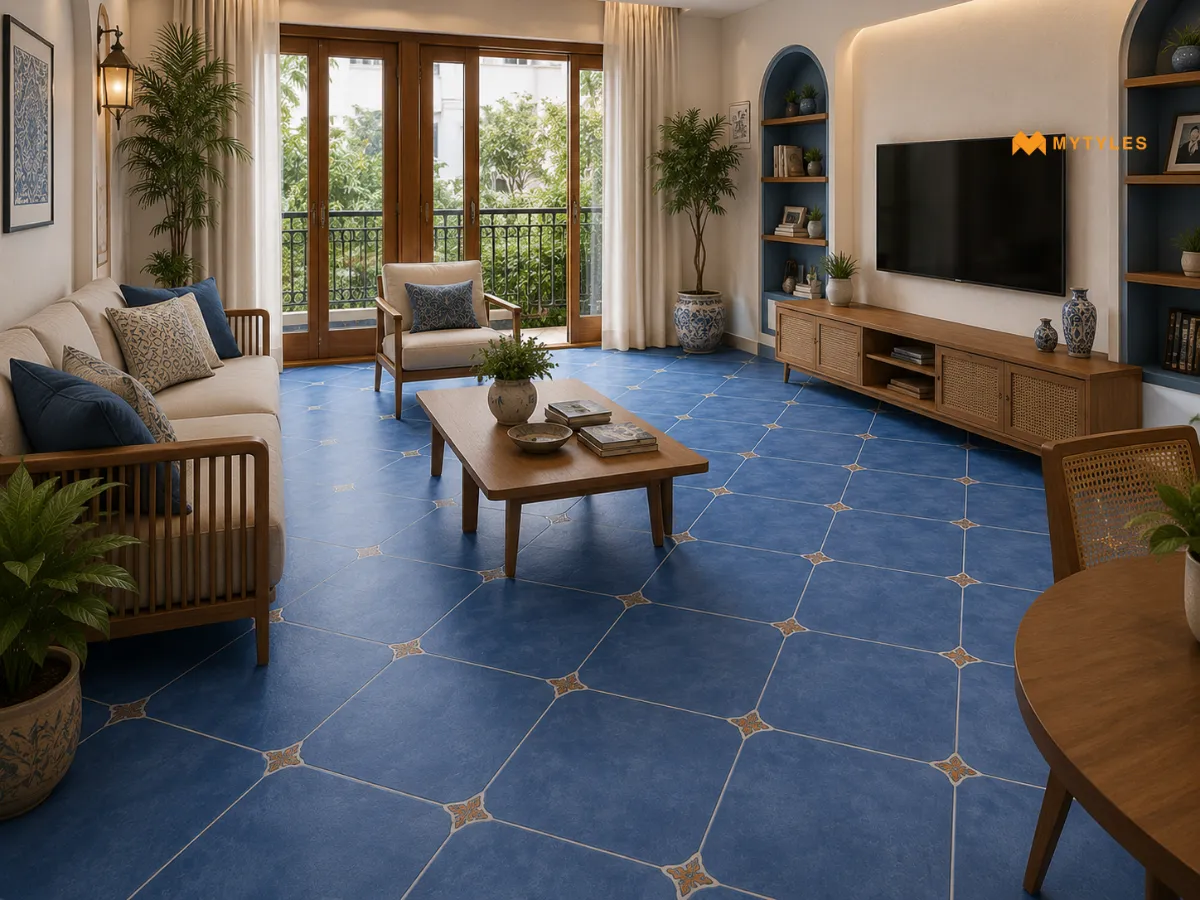
Patterned tile layouts like herringbone and chevron provide visual interest without overwhelming a room. Sustainable materials, including bamboo and cork, continue gaining popularity due to their eco-friendly characteristics.
Textured finishes are another emerging trend, adding depth and reducing the appearance of scratches and wear. Matte finishes have also replaced glossy surfaces in many contemporary homes because they offer a softer, more natural appearance.
Comparison of Popular Flooring Options
| Flooring Material | Durability | Water Resistance | Maintenance | Best For |
|---|---|---|---|---|
| Hardwood | Excellent | Moderate | Medium | Living rooms, bedrooms |
| Ceramic Tile | Excellent | Excellent | Low | Kitchens, bathrooms |
| Luxury Vinyl | Very Good | Excellent | Low | Entire home |
| Laminate | Good | Moderate | Low | Bedrooms, offices |
| Natural Stone | Excellent | Good | Medium | Luxury interiors |
How to Select the Perfect Flooring Design
Selecting the ideal flooring design requires balancing appearance with functionality. Start by considering your lifestyle. Families with children and pets often prioritize scratch-resistant materials, while luxury homeowners may value premium natural finishes.
Budget also plays an important role. Higher-quality materials usually have greater upfront costs but often provide better long-term value through durability and reduced maintenance.
Lighting influences how flooring appears throughout the day. Dark floors create cozy environments but may show dust more easily. Light-colored flooring reflects more natural light and makes smaller rooms appear larger.
Interior style should remain consistent across connected spaces. Choosing complementary colors and materials helps create visual harmony throughout the home.
Benefits of Professional Installation
Although many flooring products are marketed as DIY-friendly, professional installation offers significant advantages. Experienced installers ensure proper subfloor preparation, accurate measurements, smooth transitions, and manufacturer-approved installation techniques.
Professional installation reduces the likelihood of uneven surfaces, gaps, moisture problems, and premature wear. Many flooring warranties also require certified installation to remain valid.
Proper installation maximizes both the lifespan and appearance of your flooring investment.
Flooring Maintenance Tips
Even the best flooring design requires routine care to maintain its appearance and durability. Fortunately, consistent maintenance is simple when performed regularly.
- Sweep or vacuum frequently to remove dust and debris.
- Clean spills immediately to prevent staining.
- Use furniture pads to reduce scratches.
- Avoid harsh chemical cleaners.
- Follow manufacturer-recommended cleaning products.
- Place rugs near entrances to reduce dirt accumulation.
- Maintain indoor humidity for natural wood flooring.
Routine maintenance not only preserves beauty but also extends the life of every flooring material.
Common Flooring Mistakes to Avoid
Many homeowners focus only on appearance while overlooking important practical considerations. One common mistake is selecting flooring that cannot withstand moisture in kitchens or bathrooms. Another is ignoring the amount of daily foot traffic each room receives.
Poor subfloor preparation can also lead to uneven surfaces, squeaking, or early failure. Choosing flooring without considering future maintenance requirements often results in disappointment.
Avoid mixing too many flooring styles within an open floor plan, as excessive variation can make interiors appear disconnected. Instead, maintain consistency while introducing subtle variations through textures and patterns.
Planning carefully before installation helps prevent costly mistakes and ensures lasting satisfaction.
Eco-Friendly Flooring Choices
Sustainability has become increasingly important in modern interior design. Eco-friendly materials reduce environmental impact while offering impressive durability and style.
Bamboo grows rapidly and provides exceptional strength, making it one of the most sustainable flooring materials available. Cork offers natural insulation, softness, and sound absorption while being harvested without damaging trees.
Recycled materials and low-emission flooring products improve indoor air quality and support environmentally responsible construction. Many manufacturers now produce sustainable flooring options without sacrificing visual appeal.
Choosing environmentally friendly materials allows homeowners to enjoy beautiful interiors while contributing to long-term environmental conservation.
Future Trends in Flooring Design
Technology continues transforming flooring manufacturing. Waterproof engineered wood, antimicrobial surfaces, and digitally printed textures are becoming increasingly common. Smart manufacturing techniques produce highly realistic wood and stone appearances at lower costs.
Large-format tiles, seamless finishes, and minimalist aesthetics will likely remain popular for years to come. As sustainability continues influencing purchasing decisions, recycled and renewable materials are expected to dominate future product development.
Homeowners increasingly seek flooring that combines beauty, durability, comfort, and environmental responsibility, making innovation an essential part of the industry’s future.
Conclusion
Choosing the right flooring design is one of the most valuable investments you can make in your home. The perfect floor enhances aesthetics, improves functionality, and increases long-term property value. By understanding different materials, comparing their advantages, considering room-specific needs, and following proper maintenance practices, you can confidently select flooring that meets both your lifestyle and design preferences.
Read more: Furniture for Living Room: A Complete Guide to Creating a Stylish and Comfortable Space