

Introduction
A well-planned garden is more than just a patch of green—it is a living space that reflects creativity, balance, and harmony with nature. Whether you have a small backyard or a wide open lawn, thoughtful planning can completely transform your outdoor area into a relaxing and visually appealing retreat. Understanding structure, plant placement, and space usage is essential before you begin digging or planting.
The process of how to design a garden layout kdagardenation begins with imagination but succeeds through proper planning and execution. Every garden has unique conditions such as sunlight exposure, soil quality, and available space, which all play a role in shaping the final design. When these elements are considered carefully, even the simplest garden can become a peaceful escape.
In this guide, we will explore practical and easy-to-follow steps to help you design a garden that not only looks beautiful but also functions efficiently throughout the year. From layout planning to plant selection, every detail matters when creating a sustainable and attractive outdoor environment.
Understanding the Basics of Garden Layout Planning
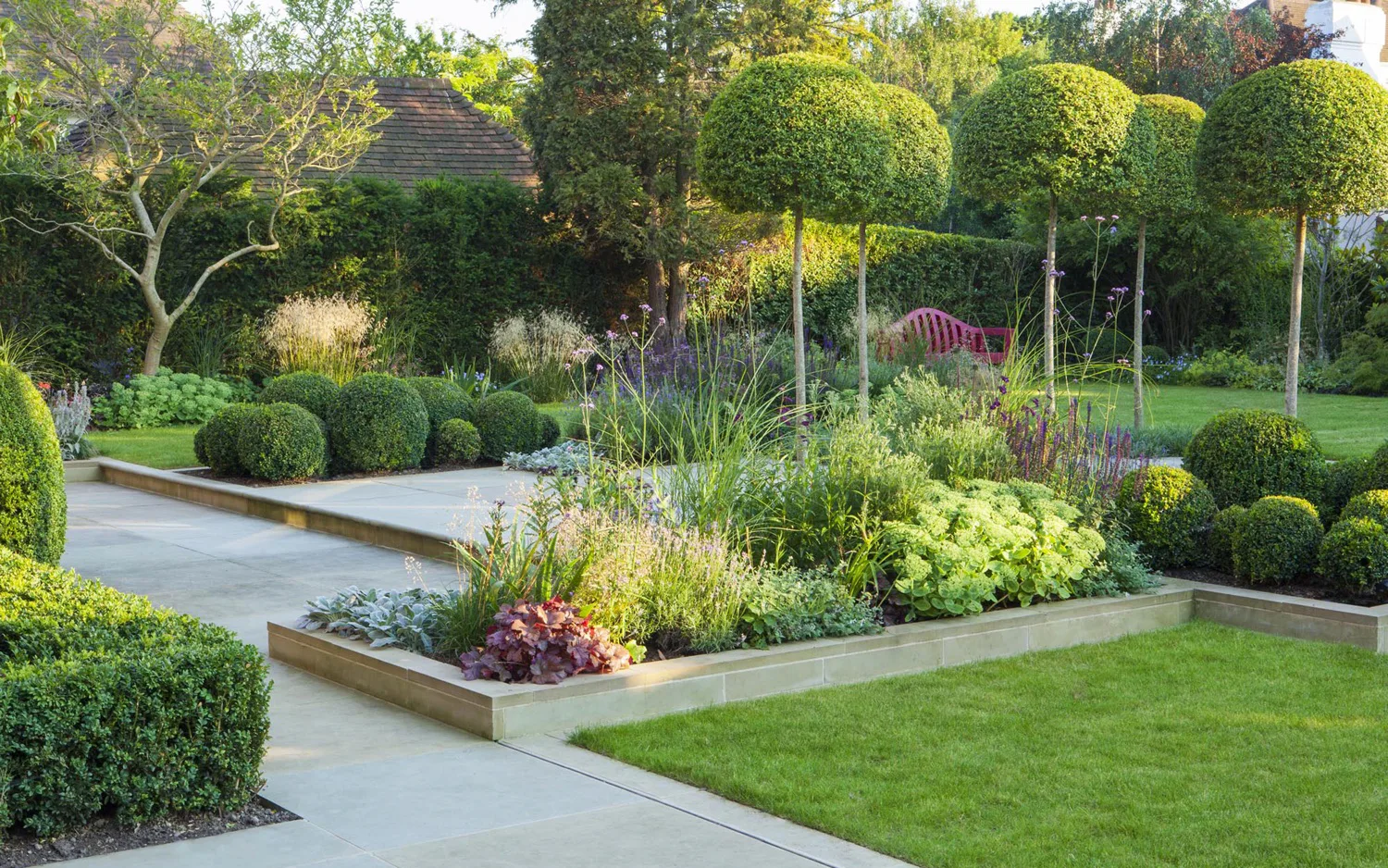
Before planting anything, it is important to understand the foundation of garden design. A good layout acts like a blueprint for your outdoor space, helping you decide where everything should go.
When learning how to design a garden layout kdagardenation, the first step is observing your space. Notice how sunlight moves across your yard, identify shaded areas, and evaluate soil conditions. These factors determine what type of plants will thrive and where they should be placed.
A successful garden layout also considers movement. Pathways should be easy to navigate, and seating areas should feel natural rather than forced. The goal is to create a flow that connects different parts of the garden without overcrowding the space.
At this stage, sketching a rough design on paper can be extremely helpful. It allows you to visualize placement before making permanent changes.
Analyzing Soil, Climate, and Sunlight Conditions
Every garden is influenced by its environment, and ignoring these factors can lead to poor plant growth and wasted effort. Soil type, climate, and sunlight exposure are three key elements that must be studied carefully.
Soil determines how well plants absorb nutrients and water. Sandy soil drains quickly, while clay soil retains moisture. Depending on your soil type, you may need to improve it with compost or organic matter.
Climate also plays a crucial role. Some plants thrive in warm conditions, while others require cooler temperatures. Understanding your local weather patterns helps you choose the right plant varieties.
Sunlight is equally important. Some areas of your garden may receive full sun, while others remain shaded throughout the day. Matching plants with their light requirements ensures healthy growth and vibrant colors.
This stage is a critical part of how to design a garden layout kdagardenation because it determines the long-term success of your garden.
Designing Functional Zones in Your Garden
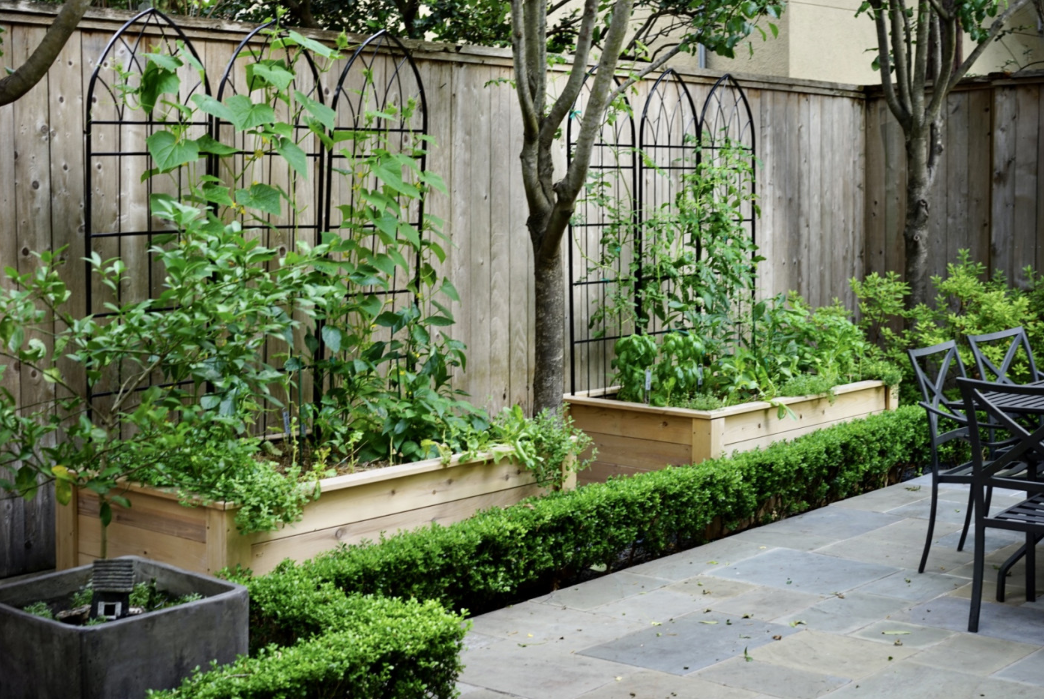
A well-structured garden is divided into zones, each serving a specific purpose. These zones may include seating areas, flower beds, vegetable patches, and pathways.
When planning how to design a garden layout kdagardenation, zoning helps create order and balance. Instead of placing plants randomly, you group similar elements together for better visual appeal and easier maintenance.
For example, a relaxation zone might include benches, shade trees, and decorative plants. A productive zone could include vegetables, herbs, and fruit-bearing plants. Separating these areas ensures that each section serves its purpose without interference.
Pathways act as connectors between zones. They should be wide enough for comfortable movement and designed using materials that match the garden’s overall theme.
Choosing the Right Plants for Your Garden Design
Plant selection is one of the most exciting parts of garden planning. However, it requires careful thought to ensure long-term sustainability and beauty.
Plants should be selected based on sunlight, soil type, and maintenance needs. Mixing different plant heights and colors can create a visually appealing landscape.
When applying how to design a garden layout kdagardenation, consider seasonal changes. Choose a combination of evergreen plants and seasonal flowers so your garden remains attractive throughout the year.
Native plants are often the best choice because they adapt easily to local conditions and require less maintenance. They also support local biodiversity, attracting birds and pollinators.
Table: Garden Design Elements and Their Purpose
| Design Element | Purpose | Example Usage |
|---|---|---|
| Pathways | Connect different garden zones | Stone or gravel walkways |
| Flower Beds | Add color and visual appeal | Roses, marigolds, tulips |
| Seating Areas | Provide relaxation space | Wooden benches, patios |
| Water Features | Enhance aesthetics and calm environment | Fountains, small ponds |
| Shade Structures | Offer protection from sunlight | Pergolas, trees |
This table helps simplify planning and is an essential reference when working through how to design a garden layout kdagardenation effectively.
Watering Systems and Garden Maintenance Planning
Efficient watering and maintenance systems are essential for keeping your garden healthy. Without proper irrigation, even the best-designed gardens can fail.
Drip irrigation systems are highly recommended because they deliver water directly to plant roots, reducing waste. Sprinkler systems are also useful for larger lawns.
Maintenance includes regular pruning, fertilizing, and pest control. A well-maintained garden not only looks better but also lasts longer.
Understanding how to design a garden layout kdagardenation also involves planning for maintenance from the beginning. A good design minimizes effort while maximizing beauty.
Creating Visual Balance and Aesthetic Appeal
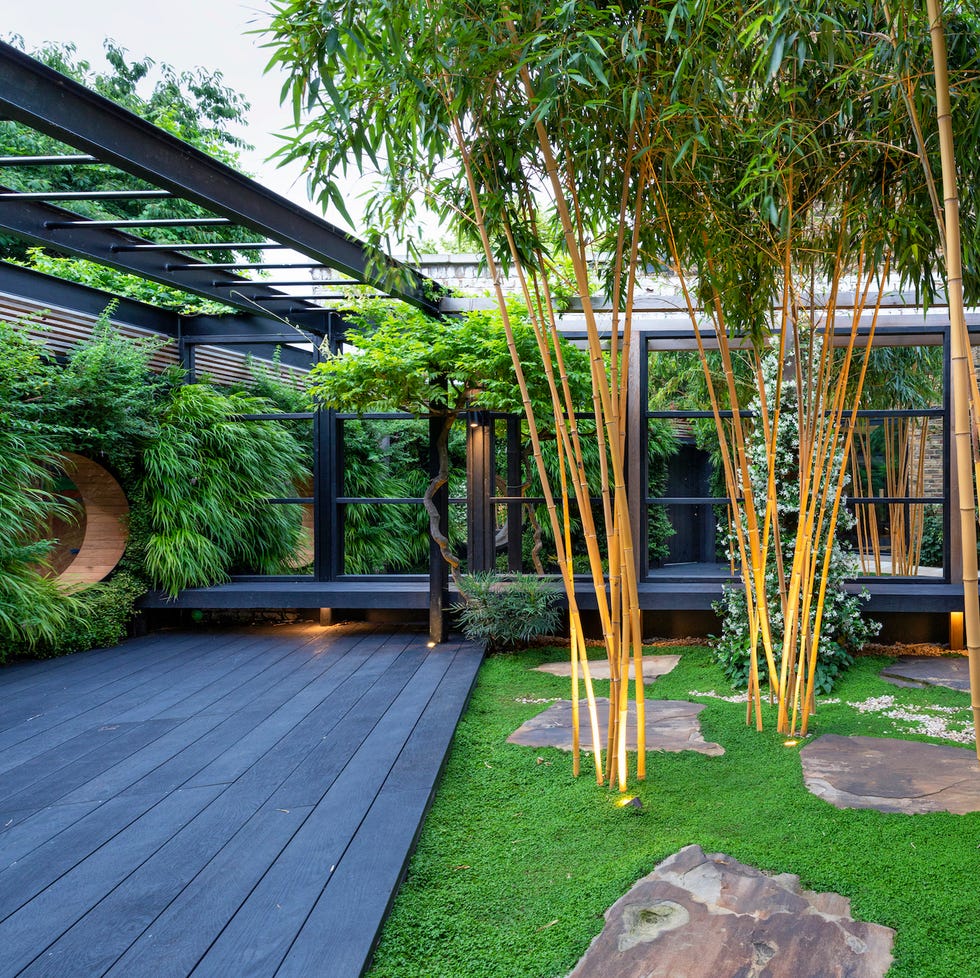
A visually appealing garden is all about balance and proportion. Too many plants in one area can make the space feel cluttered, while too few can make it look empty.
Color coordination plays a major role in design. Combining complementary colors creates harmony, while contrasting colors add energy and excitement.
Textures also matter. Mixing soft foliage with hardscape elements like stones or wood adds depth to the design.
Lighting can transform your garden at night. Soft garden lights along pathways or near plants create a magical atmosphere.
All of these principles come together in how to design a garden layout kdagardenation, ensuring your garden is both functional and beautiful.
Common Mistakes to Avoid in Garden Design
Many beginners make mistakes that can easily be avoided with proper planning. Overcrowding plants is one of the most common issues. Plants need space to grow, and overcrowding can lead to poor air circulation.
Another mistake is ignoring maintenance requirements. Some plants require more care than others, and failing to consider this can lead to an unmanageable garden.
Poor placement of shade-loving and sun-loving plants can also affect growth. Always match plants with their environmental needs.
Avoiding these mistakes is an important part of mastering how to design a garden layout kdagardenation successfully.
Key Takeaways
Designing a garden requires careful planning, creativity, and understanding of natural conditions. Every element, from soil quality to plant selection, contributes to the final outcome. A well-designed garden is not just visually appealing but also functional and easy to maintain.
Proper zoning, balanced plant placement, and efficient watering systems ensure long-term success. With the right approach, anyone can create a beautiful outdoor space that enhances their home environment.
FAQs
1. What is the first step in garden design?
The first step is analyzing your space, including sunlight, soil type, and available area.
2. How important is soil quality in garden planning?
Soil quality is extremely important because it directly affects plant health and growth.
3. Can small gardens be well-designed?
Yes, even small spaces can be beautifully designed with proper layout planning and plant selection.
4. What plants are best for beginners?
Low-maintenance plants like marigolds, succulents, and herbs are ideal for beginners.
5. How often should a garden be maintained?
Basic maintenance should be done weekly, including watering, pruning, and cleaning.
6. Why is zoning important in garden layout?
Zoning helps organize the garden into functional areas, making it easier to manage and visually appealing.
7. Can lighting improve garden design?
Yes, garden lighting enhances beauty and allows the space to be enjoyed even at night.
Conclusion
A thoughtfully planned garden can transform any outdoor space into a peaceful and inspiring environment. By understanding structure, plant needs, and environmental conditions, you can create a garden that thrives year-round.
The journey of how to design a garden layout kdagardenation is about combining creativity with practical planning. When done correctly, your garden becomes more than just greenery—it becomes a personal sanctuary where nature and design exist in perfect harmony.