

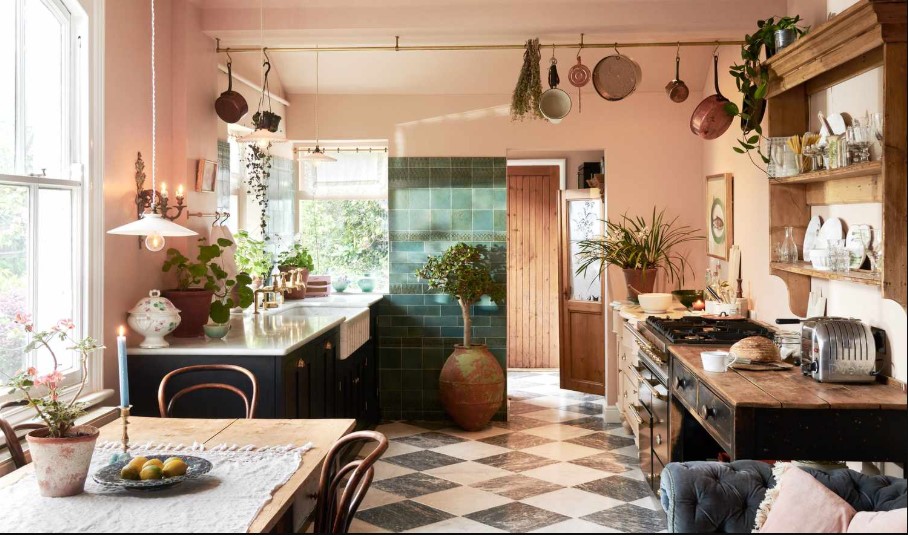
The kitchen is one of the busiest areas in any home, making flooring a critical design element. Choosing the right floor can improve comfort, durability, and the overall appearance of your cooking space. Understanding how to design a kitchen flooring ideas plan involves balancing style, functionality, maintenance, and budget. Since kitchen floors face daily foot traffic, spills, stains, and heavy appliances, selecting the appropriate material is essential.
A well-designed kitchen floor can complement cabinets, countertops, and wall colors while creating a cohesive interior design. Whether you prefer a modern, rustic, traditional, or contemporary kitchen, flooring serves as the foundation that ties every element together. Today’s homeowners have access to numerous flooring options, including tile, vinyl, hardwood, laminate, and natural stone.
This guide explains how to design a kitchen flooring ideas project from start to finish. You will learn how to select materials, coordinate colors, evaluate durability, and create a kitchen floor that enhances both beauty and practicality.
Why Kitchen Flooring Matters
Kitchen flooring affects more than just appearance. It influences comfort, safety, cleaning requirements, and long-term durability. Since kitchens experience constant activity, flooring should withstand wear and tear while maintaining its visual appeal.
The right flooring creates a welcoming atmosphere and improves the overall value of your home. It can make a small kitchen feel larger, brighten a dark space, and provide a comfortable surface for standing during meal preparation.
Key benefits of quality kitchen flooring include:
- Enhanced durability
- Easier maintenance
- Improved home value
- Better comfort underfoot
- Increased visual appeal
- Moisture resistance
- Long-lasting performance
When planning how to design a kitchen flooring ideas layout, homeowners should consider both aesthetic and practical requirements.
Understanding Your Kitchen Needs
Before selecting materials, evaluate how your kitchen is used daily. Families with children and pets often require flooring that resists scratches, stains, and moisture. Households that cook frequently may prioritize easy cleaning and durability.
Consider the following questions:
| Factor | Why It Matters |
|---|---|
| Foot Traffic | Determines durability needs |
| Moisture Exposure | Influences material selection |
| Budget | Affects flooring options |
| Maintenance | Impacts long-term care |
| Design Style | Guides color and texture choices |
| Comfort | Important for daily use |
Understanding these factors helps narrow down flooring choices and ensures a practical investment.
Choosing the Right Flooring Material
One of the most important steps in how to design a kitchen flooring ideas process is selecting the right material.
Ceramic and Porcelain Tile
Tile remains one of the most popular kitchen flooring options. It offers excellent water resistance, durability, and design flexibility.
Advantages include:
- Water resistant
- Easy to clean
- Long lifespan
- Wide variety of colors and patterns
Porcelain tile is especially suitable for busy kitchens because it is denser and more durable than ceramic.
Hardwood Flooring
Hardwood adds warmth and elegance to kitchen spaces. It creates a timeless appearance and can increase home value.
Benefits include:
- Natural beauty
- Long-lasting durability
- Refinishable surface
- Versatile design options
However, hardwood requires protection from excessive moisture and spills.
Luxury Vinyl Flooring
Luxury vinyl flooring has become increasingly popular due to its affordability and realistic appearance.
Key features include:
- Waterproof options
- Comfortable surface
- Affordable pricing
- Easy installation
Modern vinyl products mimic wood, stone, and tile while offering excellent durability.
Natural Stone
Natural stone flooring provides a luxurious and sophisticated appearance.
Popular options include:
- Marble
- Slate
- Granite
- Travertine
Although beautiful, natural stone often requires sealing and regular maintenance.
Selecting the Perfect Color Scheme
Color plays a major role when considering how to design a kitchen flooring ideas concept. The floor should complement cabinets, countertops, backsplashes, and walls.
Light-colored flooring offers several benefits:
- Makes kitchens appear larger
- Reflects natural light
- Creates an airy atmosphere
Popular light shades include:
- Beige
- Cream
- Light gray
- White oak
Dark flooring adds depth and sophistication.
Popular dark options include:
- Walnut
- Charcoal
- Espresso
- Slate gray
Choose colors that create harmony throughout the kitchen design rather than competing with other elements.
Matching Flooring with Kitchen Style
Every kitchen style benefits from specific flooring choices.
| Kitchen Style | Recommended Flooring |
|---|---|
| Modern | Large-format tile, polished concrete |
| Farmhouse | Wide-plank wood, distressed vinyl |
| Traditional | Hardwood, ceramic tile |
| Contemporary | Porcelain tile, luxury vinyl |
| Rustic | Natural stone, textured wood |
| Minimalist | Neutral tile, seamless vinyl |
Selecting flooring that aligns with your kitchen style creates a cohesive and professionally designed appearance.
Considering Floor Patterns and Layouts
Pattern selection can significantly impact the visual appeal of your kitchen.
Popular flooring layouts include:
Straight Pattern
Simple and timeless, suitable for nearly every kitchen style.
Diagonal Pattern
Creates visual interest and makes smaller kitchens appear larger.
Herringbone Pattern
Adds sophistication and luxury to modern kitchens.
Chevron Pattern
Provides a bold, stylish appearance.
Basket Weave Pattern
Works well in traditional and vintage-inspired kitchens.
Flooring patterns can enhance the overall design without requiring expensive materials.
Prioritizing Durability and Maintenance
Durability should be a top consideration in kitchen flooring design. Kitchens experience spills, dropped utensils, moving chairs, and heavy foot traffic.
Look for flooring that offers:
- Scratch resistance
- Water resistance
- Stain protection
- Easy cleaning
Maintenance comparison table:
| Material | Durability | Maintenance Level |
|---|---|---|
| Porcelain Tile | Excellent | Low |
| Luxury Vinyl | Excellent | Low |
| Hardwood | Good | Medium |
| Laminate | Good | Low |
| Natural Stone | Excellent | High |
Selecting durable flooring reduces future repair and replacement costs.
Creating Visual Flow with Open Floor Plans
Modern homes often feature open-concept layouts where the kitchen connects to dining and living areas. Flooring plays a vital role in creating visual continuity.
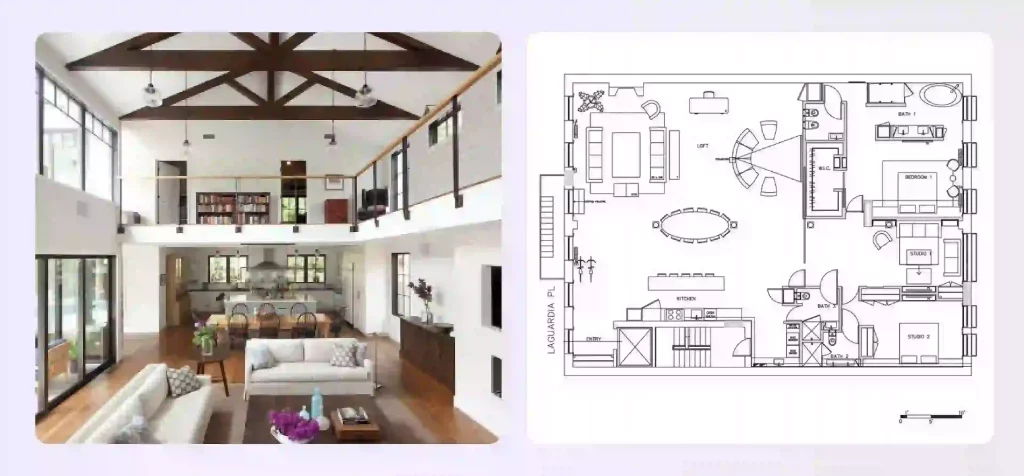
Design strategies include:
- Using the same flooring throughout connected spaces
- Matching flooring tones between rooms
- Choosing complementary textures
- Maintaining consistent plank direction
These techniques help create a seamless transition and improve the sense of spaciousness.
When learning how to design a kitchen flooring ideas strategy for open layouts, continuity should remain a priority.
Balancing Comfort and Functionality
Kitchen floors should not only look attractive but also feel comfortable underfoot. Homeowners often spend hours cooking, cleaning, and entertaining in this space.
Comfort-enhancing options include:
- Cork flooring
- Luxury vinyl planks
- Engineered wood
- Cushioned floor mats
Combining functionality with comfort ensures your kitchen remains enjoyable for everyday use.
Budget-Friendly Kitchen Flooring Ideas
Designing a beautiful kitchen does not require a massive budget. Several affordable flooring options offer impressive durability and style.
Popular budget-friendly choices:
- Luxury vinyl plank
- Sheet vinyl
- Laminate flooring
- Ceramic tile
Cost comparison:
| Flooring Type | Budget Range |
|---|---|
| Vinyl | Low |
| Laminate | Low-Medium |
| Ceramic Tile | Medium |
| Hardwood | High |
| Natural Stone | High |
Budget-conscious homeowners can achieve a premium appearance without overspending.
Common Mistakes to Avoid
Many homeowners make avoidable mistakes when selecting kitchen flooring.
Avoid these common errors:
- Choosing style over durability
- Ignoring moisture resistance
- Selecting overly slippery surfaces
- Mismatching flooring with cabinetry
- Neglecting maintenance requirements
- Overlooking installation costs
Understanding these pitfalls can help ensure a successful flooring project.
Future Flooring Trends
Kitchen flooring trends continue to evolve, offering exciting possibilities for homeowners.
Popular trends include:
- Large-format porcelain tiles
- Waterproof luxury vinyl
- Sustainable flooring materials
- Natural wood appearances
- Textured stone finishes
- Mixed-material designs
These trends combine modern aesthetics with practical functionality, making them excellent choices for contemporary kitchens.
When exploring how to design a kitchen flooring ideas project, incorporating current trends can create a stylish and future-ready space.
Conclusion
Learning how to design a kitchen flooring ideas plan involves more than selecting a material you like. It requires careful consideration of durability, comfort, maintenance, color coordination, budget, and overall kitchen style. The ideal flooring should support your daily lifestyle while enhancing the beauty of the space.