

Introduction
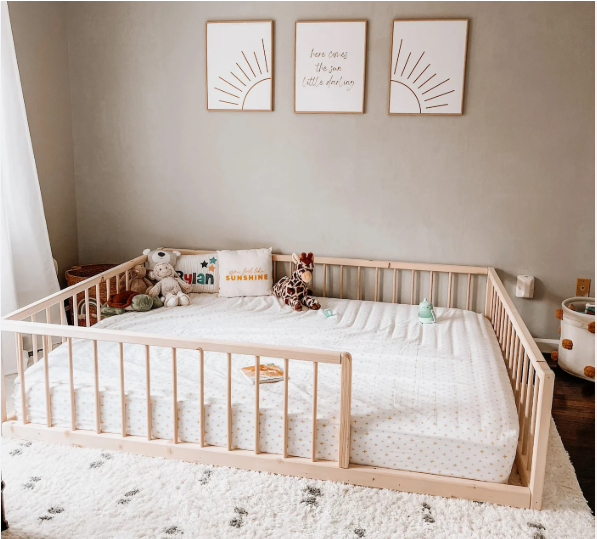
Creating a safe sleep environment for toddlers is one of the most important responsibilities for parents. Sleep directly impacts a child’s emotional stability, physical growth, and daily behavior. As toddlers grow, their sleeping needs change rapidly, and transitioning from a crib to a more independent sleeping setup becomes essential.
Many parents today are turning toward modern, child-friendly sleep arrangements that balance freedom and safety. One of the most widely preferred choices is the toddler floor bed with rails, which offers a unique combination of accessibility, comfort, and protection.
Unlike traditional beds, this setup allows children to move freely while still staying within a secure boundary. It reduces the fear of falling and helps toddlers feel more confident in their sleeping space. Over time, this independence can positively influence their overall development and bedtime habits.
Understanding Floor-Based Toddler Sleep Spaces
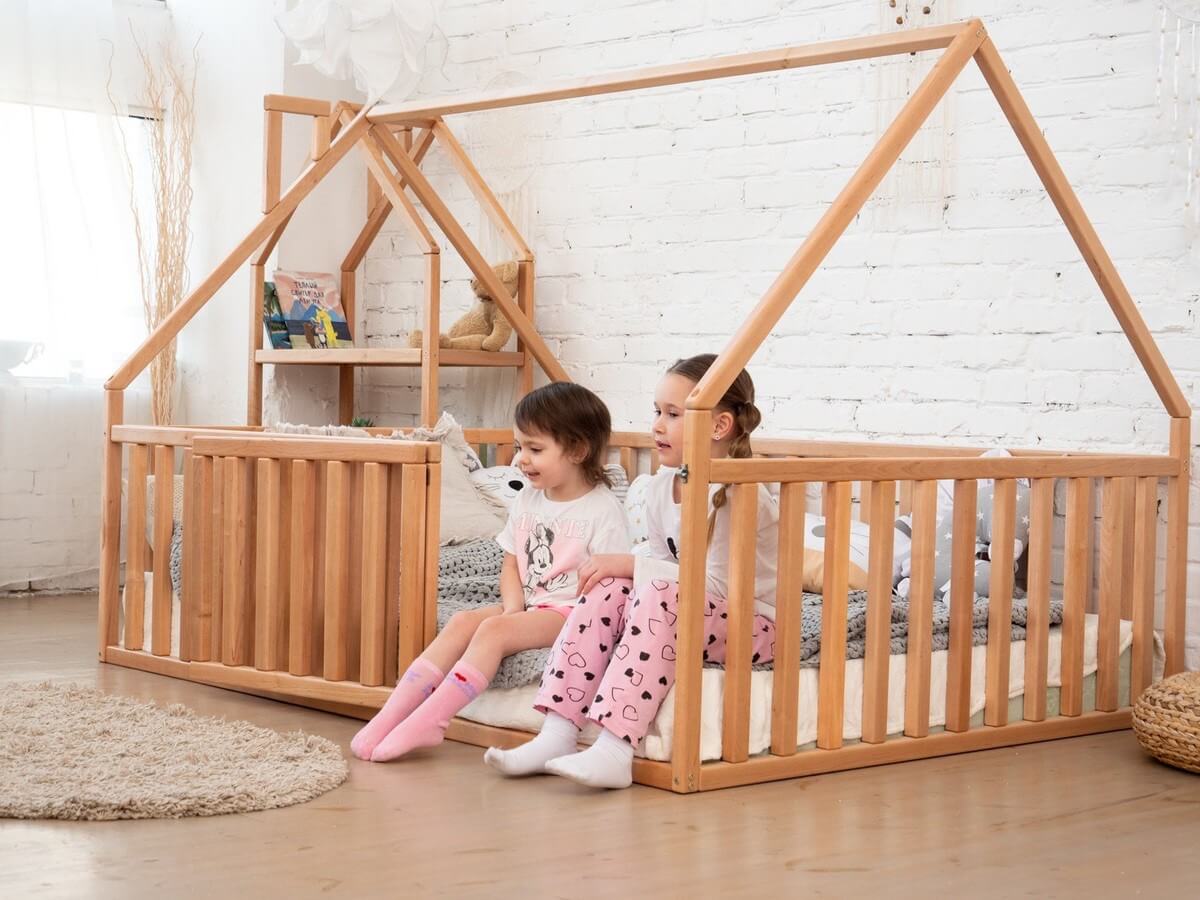
A floor-based sleeping arrangement is designed to sit very close to the ground, making it easy and safe for young children to climb in and out without assistance. It is especially helpful during the transition phase from crib sleeping to independent bed use.
The idea behind a toddler floor bed with rails is to create a protective yet open environment. The low height eliminates the risk of injury from falls, while the side rails provide gentle boundaries that keep the child secure during sleep.
This design also aligns with child-centered learning approaches, where independence and exploration are encouraged in safe environments. It supports natural movement and helps toddlers develop confidence in their own space.
Why Modern Parents Prefer This Sleep Approach
Modern parenting focuses heavily on balancing safety with independence. Traditional cribs, while secure, can sometimes restrict movement and limit self-initiated behavior. On the other hand, standard beds may feel too open for younger toddlers.
A floor-based setup bridges this gap effectively. It provides toddlers with the freedom to explore their sleeping space while ensuring that protective boundaries remain in place.
A toddler floor bed with rails is particularly appealing because it reduces nighttime stress for both parents and children. Parents feel reassured knowing their child is safe, while toddlers enjoy a sense of independence that helps them sleep more comfortably and confidently.
Key Benefits of a Floor-Level Sleep Setup
One of the biggest advantages of this type of sleep arrangement is the sense of autonomy it gives to children. Toddlers learn to get in and out of bed on their own, which builds confidence and encourages self-reliance.
Another important benefit is improved sleep quality. When children feel safe and comfortable in their environment, they are less likely to wake up frequently during the night. This leads to more consistent rest and better mood during the day.
Additionally, this setup reduces the anxiety that some toddlers experience when transitioning away from cribs. The familiar closeness to the floor helps them feel grounded and secure.
Overall, a toddler floor bed with rails supports emotional development, physical safety, and sleep consistency all at once.
Safety Considerations Every Parent Should Know
Safety remains the top priority when designing any toddler sleep space. Even though floor-level beds are inherently safer than elevated ones, proper precautions are still necessary to ensure a risk-free environment.
The mattress should always be firm enough to support proper posture while still being comfortable. Soft or overly plush mattresses may increase discomfort or unsafe sinking.
The surrounding area should also be carefully checked. Sharp corners, unstable furniture, or small objects should be removed or secured. Parents should ensure that the sleeping space is completely child-proofed.
A toddler floor bed with rails adds an extra layer of protection, but regular inspection of the railings and frame is essential to maintain long-term safety.
Comparison of Sleep Setups for Toddlers
To better understand why many parents prefer floor-based designs, it helps to compare them with traditional sleeping options.
| Feature | Floor-Level Sleep Setup | Traditional Toddler Bed |
|---|---|---|
| Risk of Falls | Very Low | Moderate |
| Independence Level | High | Moderate |
| Ease of Access | Very Easy | Requires Climbing |
| Safety Boundaries | Rails Optional | Fixed Frame |
| Room Flexibility | High | Moderate |
| Parental Peace of Mind | Strong | Varies |
This comparison highlights how floor-based systems offer a more flexible and child-friendly environment while maintaining strong safety features.
Creating a Comfortable Sleep Environment

A well-designed sleep environment goes beyond just the bed itself. The entire room plays a role in how well a toddler sleeps at night.
Lighting should be soft and calming to encourage relaxation before bedtime. Harsh lighting can make it difficult for toddlers to wind down. Neutral or warm tones are often best.
Room temperature should also be kept comfortable, avoiding extremes of heat or cold. A consistent sleep environment helps regulate the child’s internal clock.
In this kind of setup, a toddler floor bed with rails becomes the central element of a peaceful sleep space, blending comfort with safety in a natural way.
Choosing the Right Design for Long-Term Use
When selecting a toddler sleep setup, long-term usability is an important factor. Children grow quickly, and a bed that adapts over time is often a better investment.
Material quality is one of the most important considerations. Solid wood frames are generally more durable and stable compared to lightweight alternatives. They also offer better long-term safety and support.
Rail height and adjustability should also be considered. Some designs allow modifications as the child grows, making the bed usable for several years.
A toddler floor bed with rails that is well-built can last through multiple developmental stages, making it both practical and cost-effective.
Supporting Independence Through Sleep Design
Encouraging independence is one of the most valuable aspects of modern toddler sleep design. When children are allowed to enter and exit their bed freely, they develop decision-making skills and confidence in their surroundings.
This independence also helps reduce bedtime struggles. Toddlers feel more in control of their environment, which can lead to smoother bedtime routines and fewer nighttime disruptions.
A thoughtfully designed sleep space ensures that independence does not come at the cost of safety. Instead, both aspects work together to support healthy development.
A toddler floor bed with rails plays a key role in this balance, offering structure while still allowing freedom of movement.
Maintenance and Long-Term Care
Keeping the sleep environment clean and well-maintained is essential for both hygiene and durability. Bedding should be washed regularly to prevent dust buildup and allergens.
The mattress should also be aired out occasionally to maintain freshness. Vacuuming around the bed area helps reduce dust accumulation and keeps the environment healthy.
Regular checks on the bed frame and rail connections ensure long-term stability. Even minor looseness should be fixed immediately to maintain safety.
Proper maintenance ensures that the sleep setup remains safe and comfortable for years.
Common Mistakes Parents Should Avoid
Many parents unintentionally make mistakes when setting up a toddler sleep space. One of the most common is overcrowding the bed area with toys, which can create distractions and safety hazards.
Another mistake is using overly soft bedding, which may not provide proper support for growing bodies. It is also important not to place the bed near heavy or unstable furniture.
Ignoring regular safety checks can also lead to avoidable risks. Even strong structures require periodic inspection to ensure continued safety.
Avoiding these mistakes helps maintain a secure and peaceful environment for children.
Helping Toddlers Transition Smoothly

The transition from crib to independent sleeping can be emotional for both children and parents. A gradual approach works best in most cases.
Starting with daytime naps in the new setup helps toddlers get familiar with the space. Maintaining a consistent bedtime routine also creates a sense of stability and predictability.
Parental presence during the initial nights can help ease anxiety and build comfort. Over time, children naturally adjust to their new sleeping arrangement.
A toddler floor bed with rails often makes this transition easier by providing both familiarity and security during the adjustment period.
Building Long-Term Sleep Confidence
As toddlers grow, their sleep habits become more established. A stable and safe environment helps reinforce positive sleep behavior, making bedtime less stressful over time.
Children who feel secure in their sleeping space are more likely to develop healthy sleep cycles. They wake up more refreshed and tend to have better focus during the day.
Confidence in sleep also translates into broader emotional stability, helping toddlers handle daily challenges more effectively.
Frequently Asked Questions (FAQs)
1. Is a floor-based sleep setup safe for young children?
Yes, when properly designed and child-proofed, it is considered very safe.
2. What is the ideal age for transitioning?
Most children transition between 18 months and 3 years depending on readiness.
3. Do protective rails really make a difference?
Yes, they provide added security and help prevent accidental rolling during sleep.
4. How can I make bedtime easier during transition?
Consistency, routine, and comfort items like blankets or toys help a lot.
5. What type of mattress works best?
A medium-firm mattress is generally recommended for support and comfort.
6. Is this setup suitable for small bedrooms?
Yes, floor-level designs often work very well in compact spaces.
7. How often should the sleep area be cleaned?
Weekly cleaning of bedding and regular vacuuming of the surrounding area is ideal.
8. Can children sleep independently in this setup?
Yes, many children develop independent sleep habits more easily in this environment.
Conclusion
Designing the right sleep environment for toddlers is an essential part of early childhood care. A well-planned setup can influence not only sleep quality but also emotional development and independence.
A thoughtfully structured floor-based sleeping arrangement offers a perfect balance of safety, comfort, and freedom. It allows children to explore their independence while staying protected in a secure environment.
With proper setup, maintenance, and consistent routines, this sleep style can transform bedtime into a calm and positive experience. Ultimately, it helps children grow into confident sleepers who feel safe, secure, and comfortable every night.
Read More:-Minimal Bedroom Ideas for Better Living with Floor Bed Mattress101