

Replacing an HVAC system can be a big decision for any homeowner. Whether your current unit is aging, broken, or simply not performing as well as it should, knowing the right steps to take before, during, and after the replacement process can save you time, money, and stress.
In this post, we will explore five major HVAC replacement tips that can help you make an informed decision and get the most out of your new system.
1. Know When You Need HVAC Replacement
Before you start thinking about replacement, it’s important to recognize the signs that it’s time to upgrade your HVAC system. A good rule of thumb is to replace your system if it’s more than 10-15 years old, as older units become less efficient and more prone to costly repairs.
Also, if your HVAC system requires frequent repairs, or if it’s no longer able to maintain your home’s temperature, it might be time for HVAC replacement. Other signs include rising energy bills, strange noises, or poor airflow.
2. Choose the Right Size HVAC System
One of the most critical aspects of HVAC replacement is ensuring you choose the right size unit for your home. If your new system is too small, it will struggle to keep up with the heating or cooling demands, leading to higher energy bills and more wear and tear.
On the other hand, if the system is too large, it will cycle on and off too frequently, which can also lead to inefficient energy use and a shorter lifespan for the unit. Work with an HVAC professional to determine the correct size based on the size of your home, the climate, and your personal comfort needs.
3. Hire a Professional for AC Installation
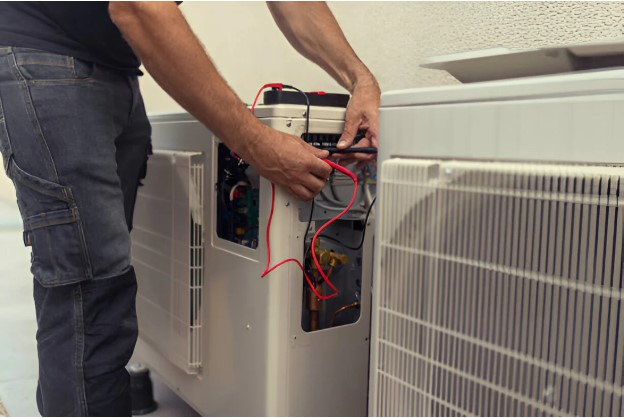
When it comes to AC installation, it’s always best to hire a professional. While it may seem tempting to save money by attempting a DIY installation, improper installation can lead to serious problems down the road, such as leaks, reduced efficiency, or even system failure.
A certified HVAC technician will ensure that the system is installed correctly and safely, complying with local building codes.
4. Consider Energy Efficiency and Features
Today’s HVAC systems come with a wide range of energy-efficient features that can save you money over time. Look for units with the ENERGY STAR label, which indicates that the system meets high-efficiency standards.
Energy-efficient units use less energy, which translates into lower utility bills. Additionally, consider features such as variable-speed fans, smart thermostats, and zoning systems.
5. Plan for Regular Maintenance
Once you’ve replaced your HVAC system, regular maintenance is key to ensuring its longevity and efficiency. Make sure to schedule annual tune-ups with a professional HVAC technician to check the system’s performance and clean or replace filters.
Routine maintenance helps identify small problems before they turn into expensive repairs and ensures your system runs smoothly for years to come.
Conclusion
Replacing your HVAC system doesn’t have to be overwhelming. By recognizing the signs that it’s time for a replacement, choosing the right size and energy-efficient unit, hiring a professional for AC installation, and committing to regular maintenance, you can enjoy a comfortable home with reliable heating and cooling for years to come.
Remember, a little bit of research and planning upfront can save you a lot of hassle and cost down the road.